Landmarks & Sights
명소 · MYEONGSO
Sixteen Seoul sights, one page each, free ones first — because eleven of the sixteen cost nothing at all to walk into.
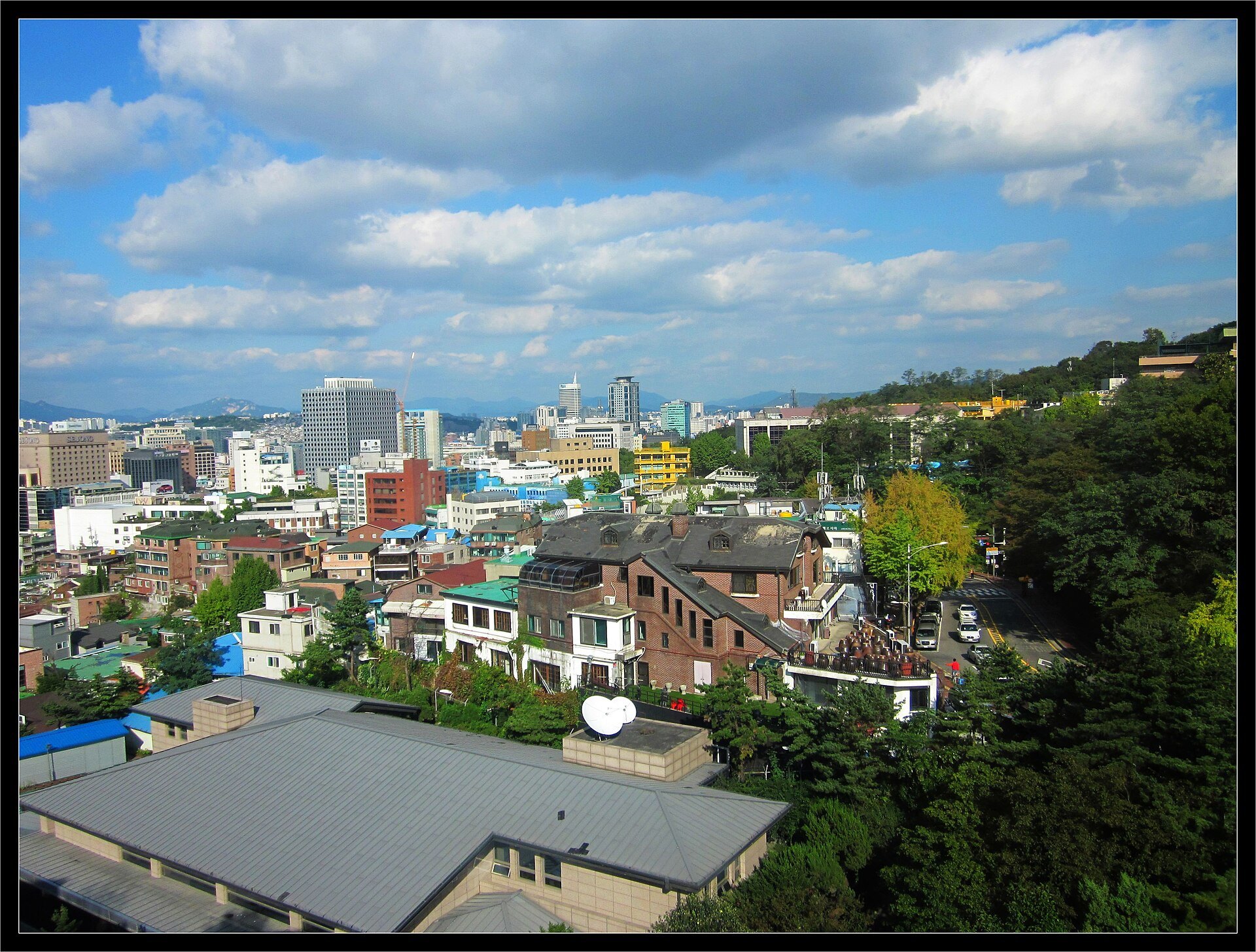

Sixteen places, one page each, ordered the way this site argues the city works: the 11 that cost nothing to enter first, the 5 you buy a ticket for after. That order is an argument, not a filing convention.
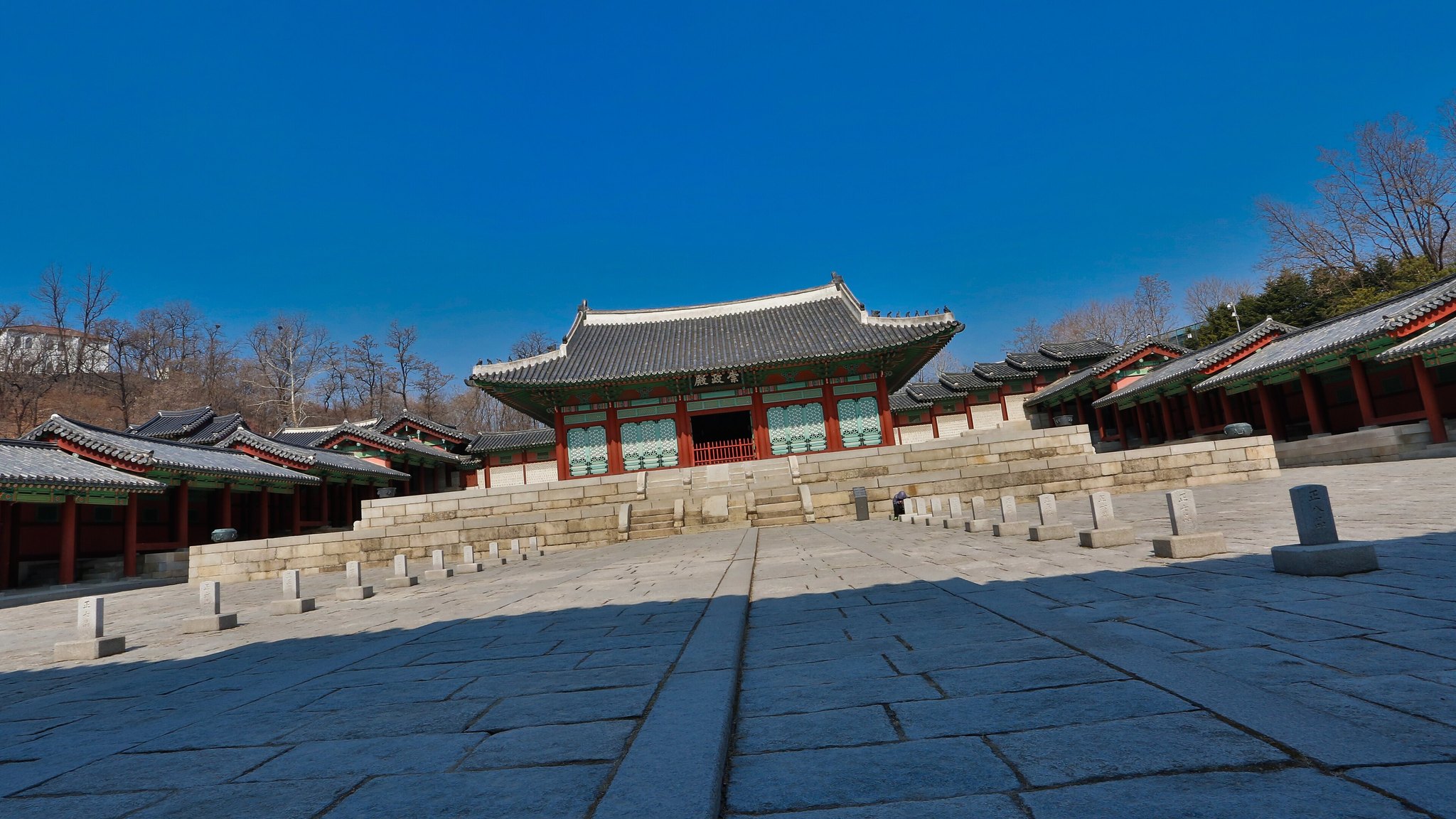 Gyeonghuigung⭐ Free · and almost empty
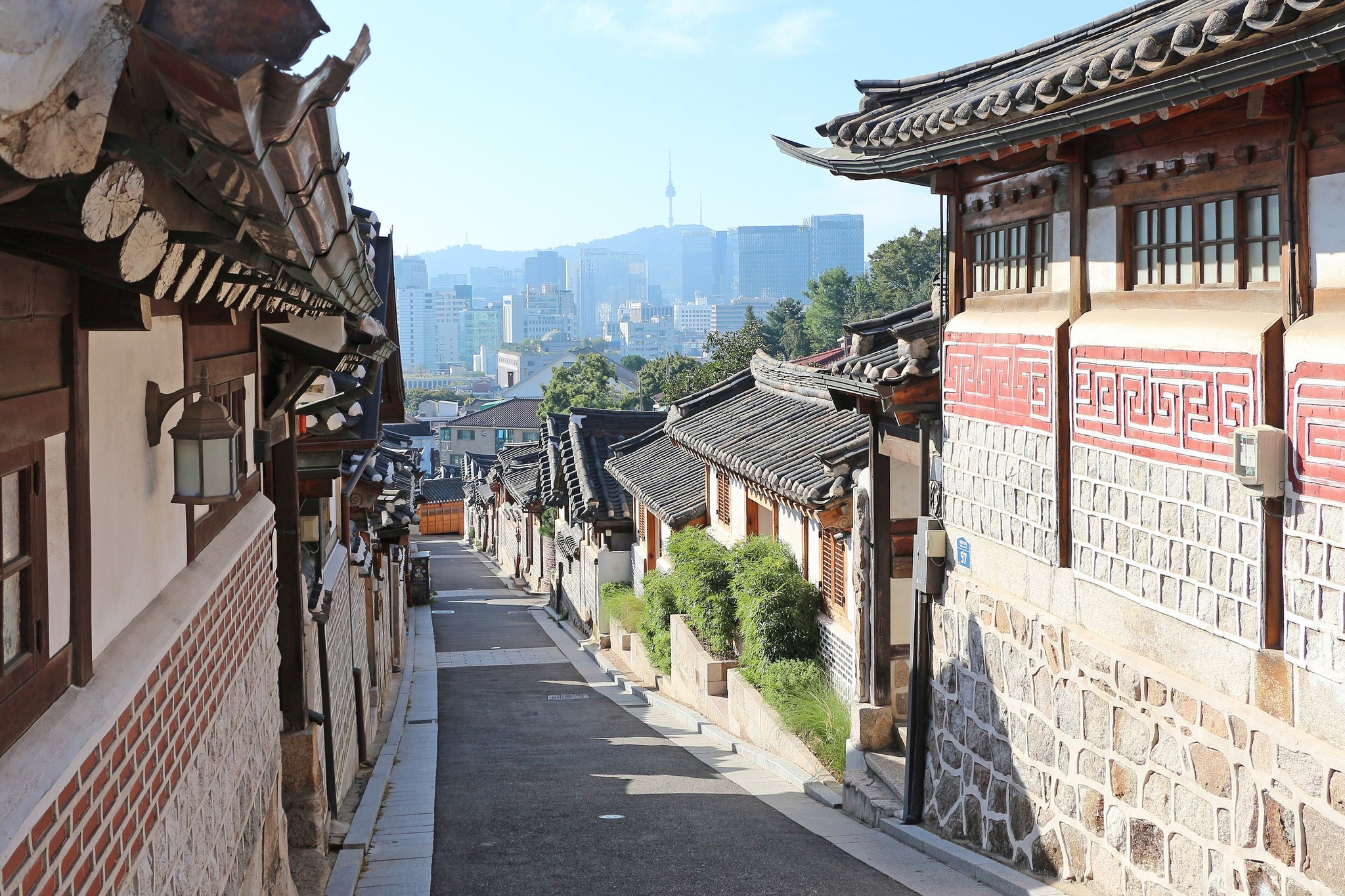 Bukchon Hanok Village⚠️ People live here · quiet hours
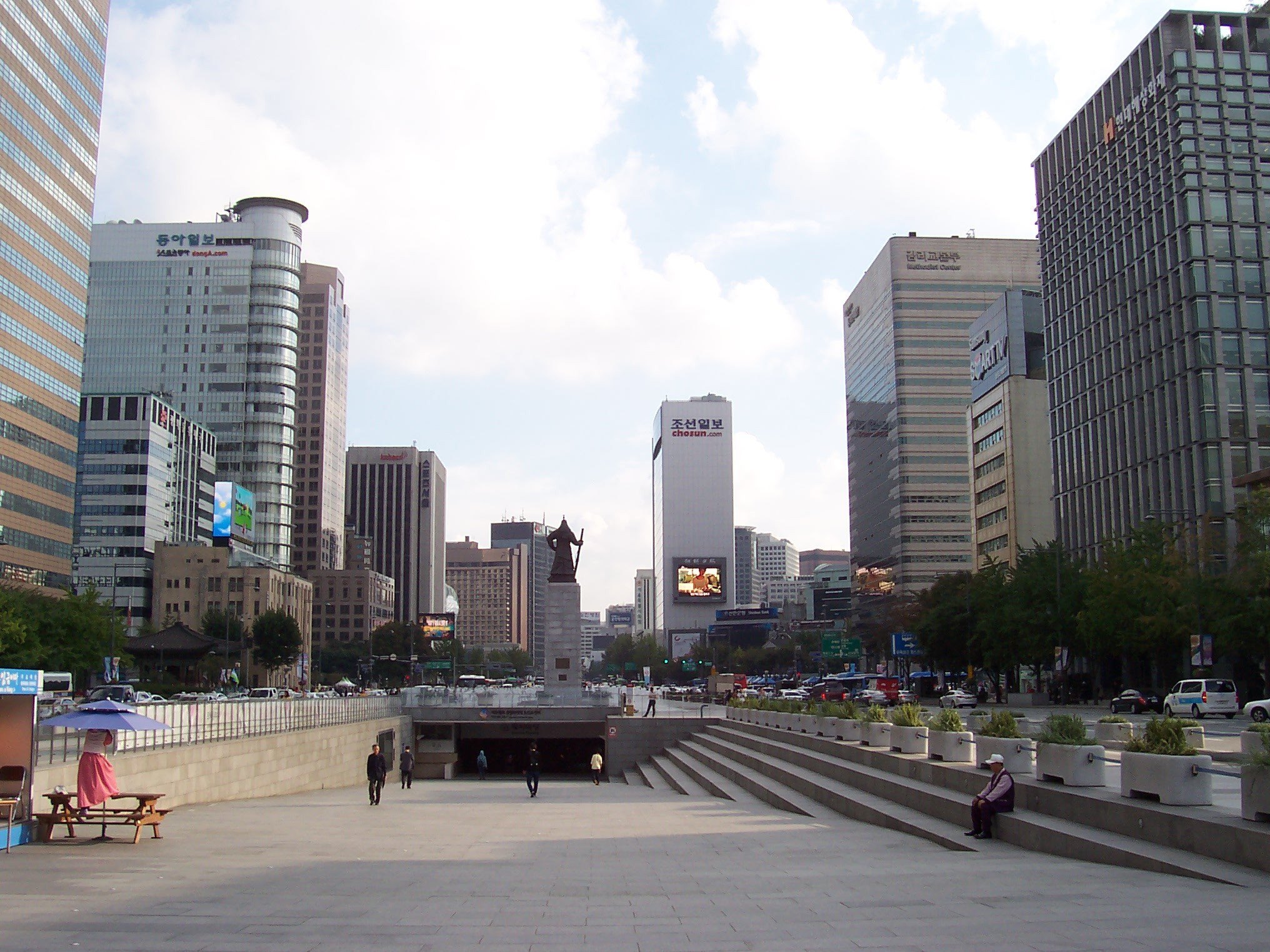 Gwanghwamun Square⭐ Free · the city's front room
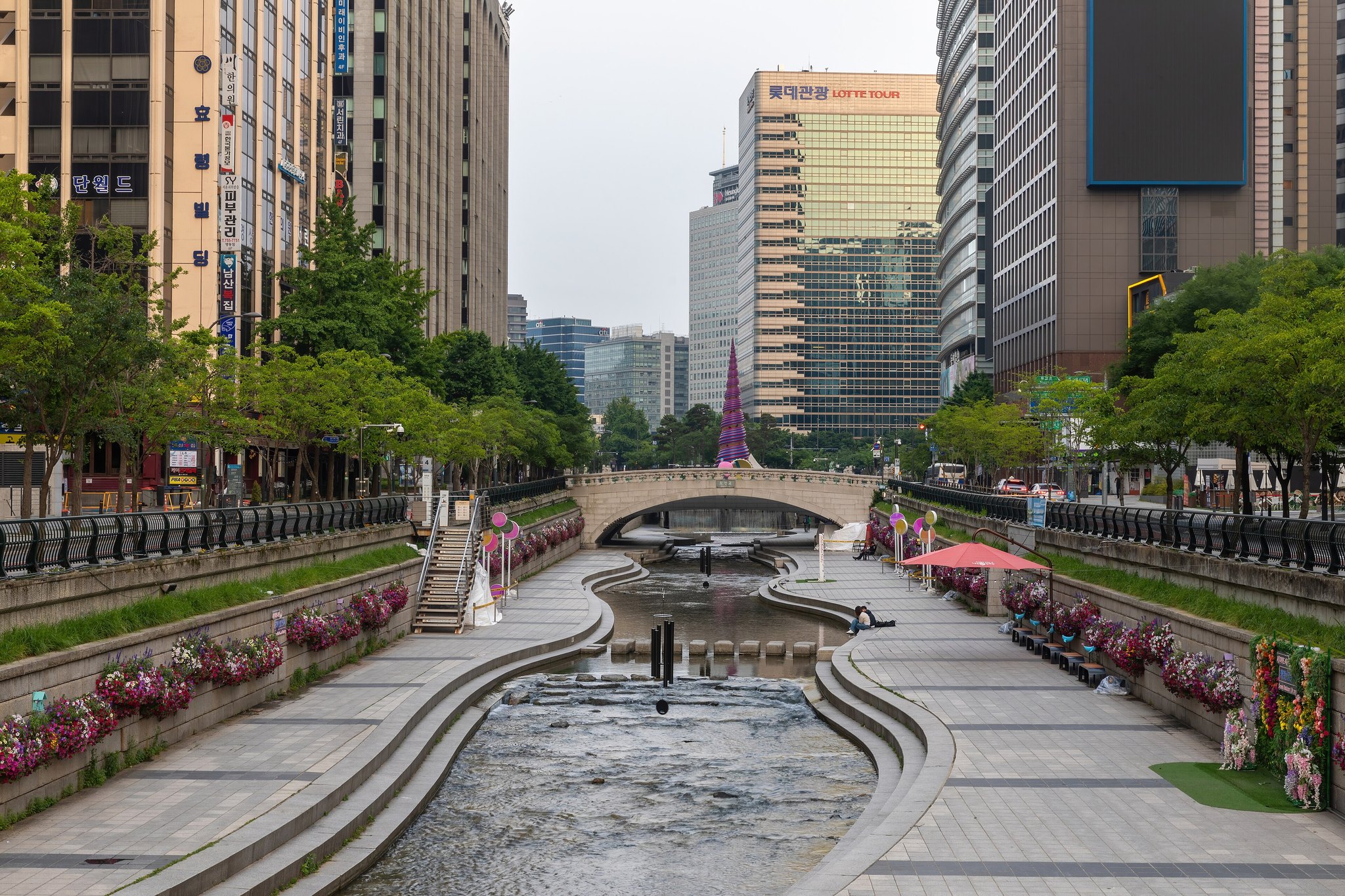 Cheonggyecheon⭐ Free · a motorway that was removed
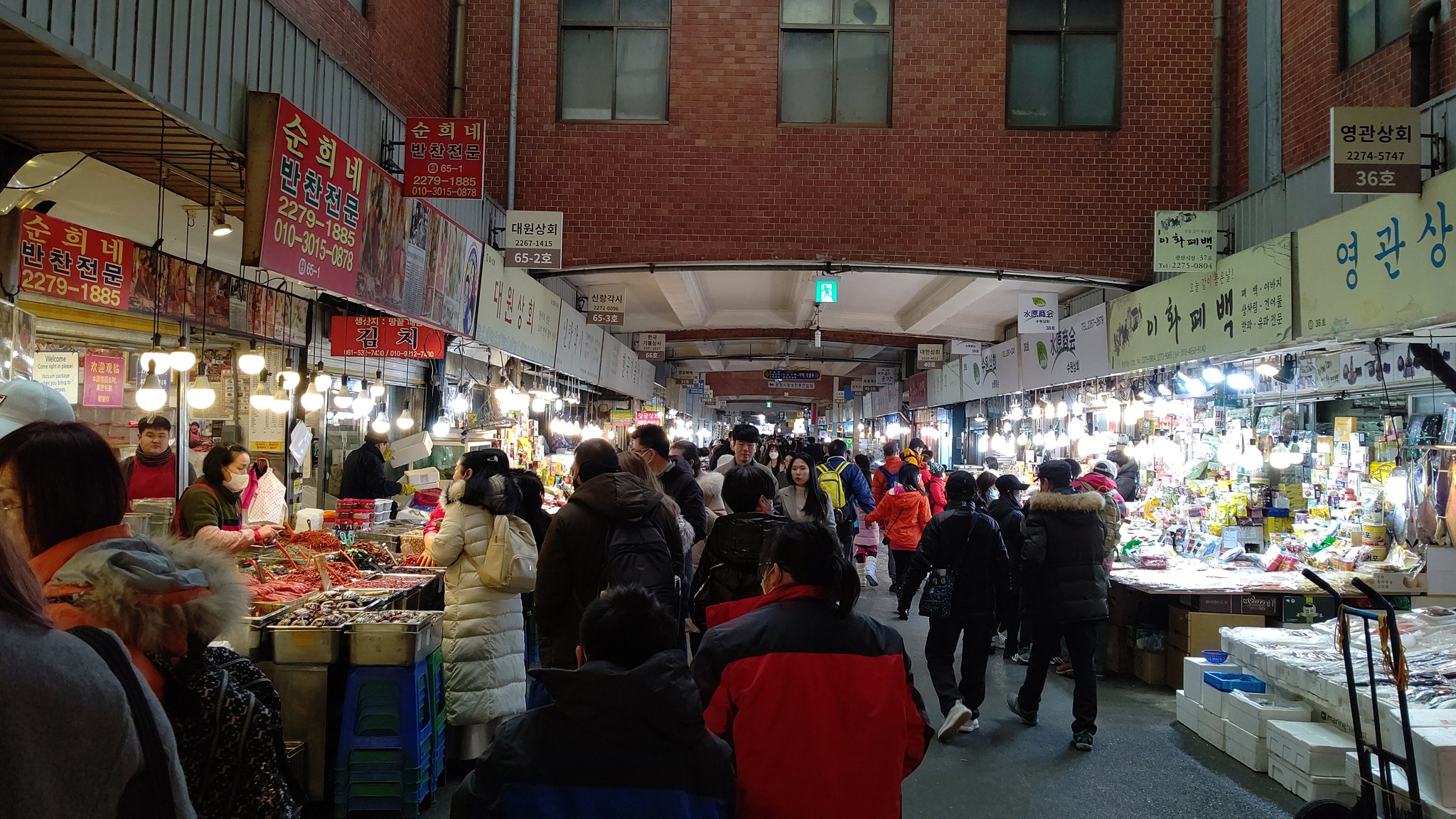 Gwangjang Market⭐ Free to enter · come hungry
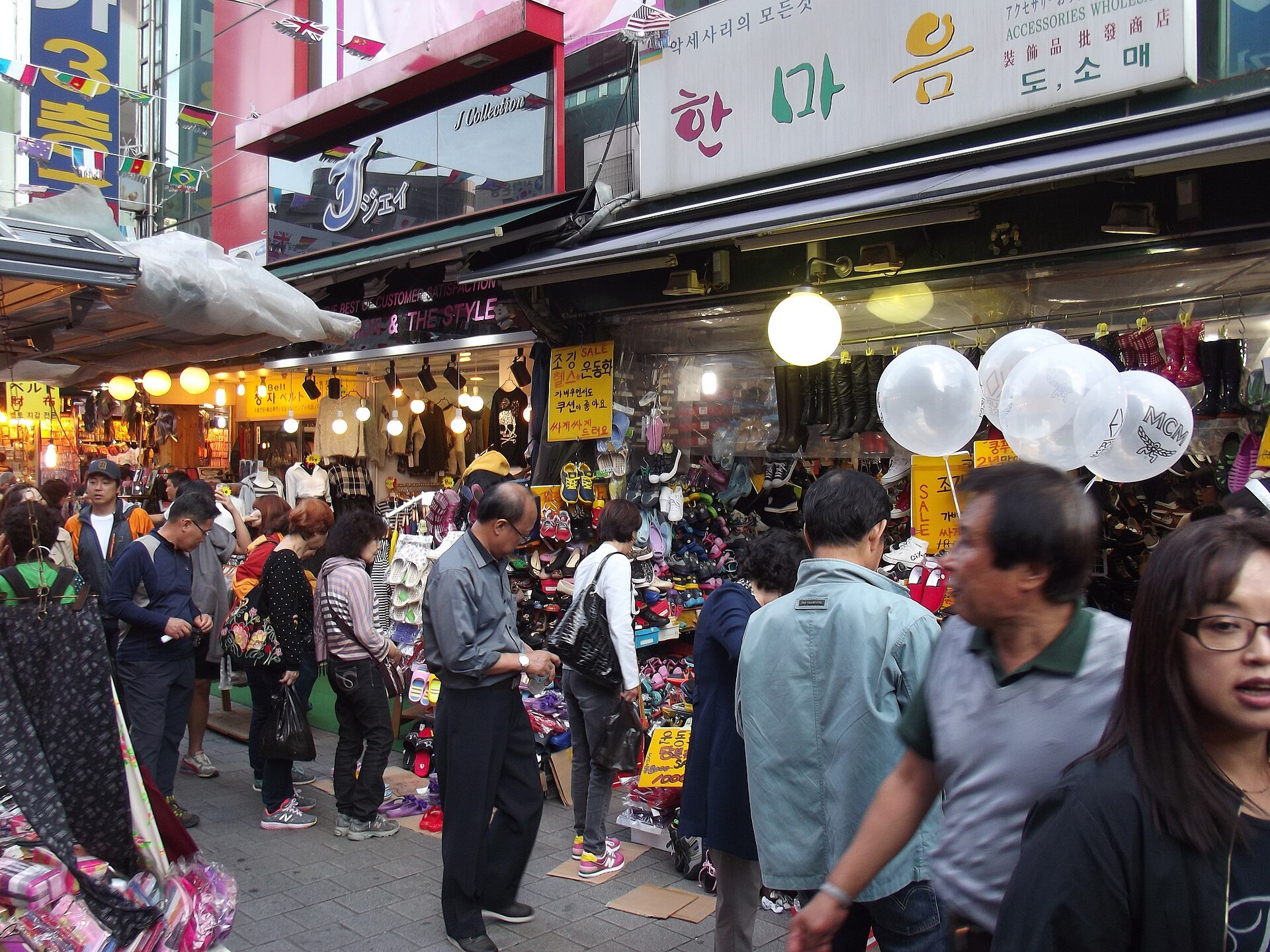 Namdaemun Market & Sungnyemun⭐ Free · Korea's biggest market
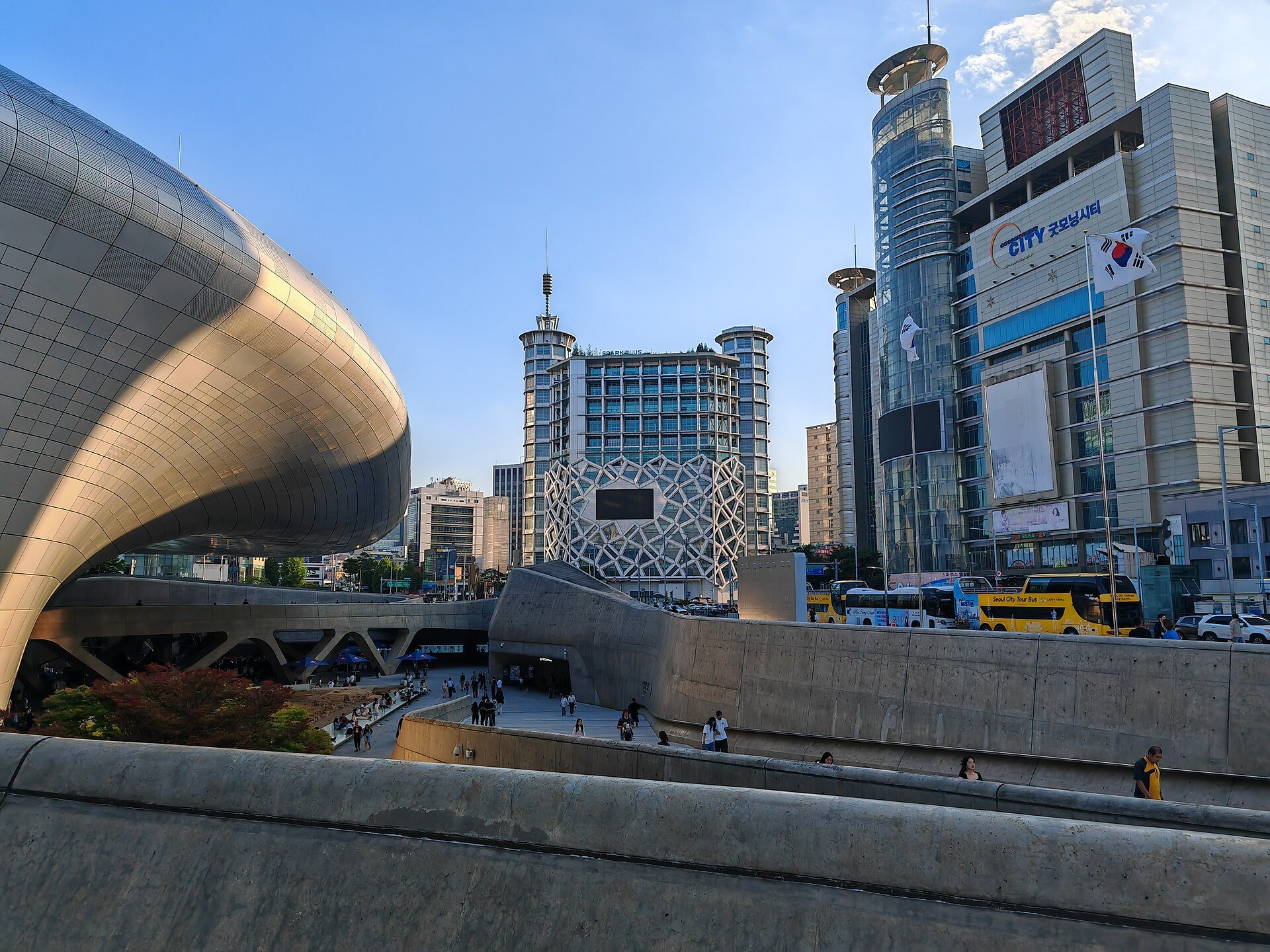 Dongdaemun Design Plaza⭐ Free to walk · exhibitions ticketed
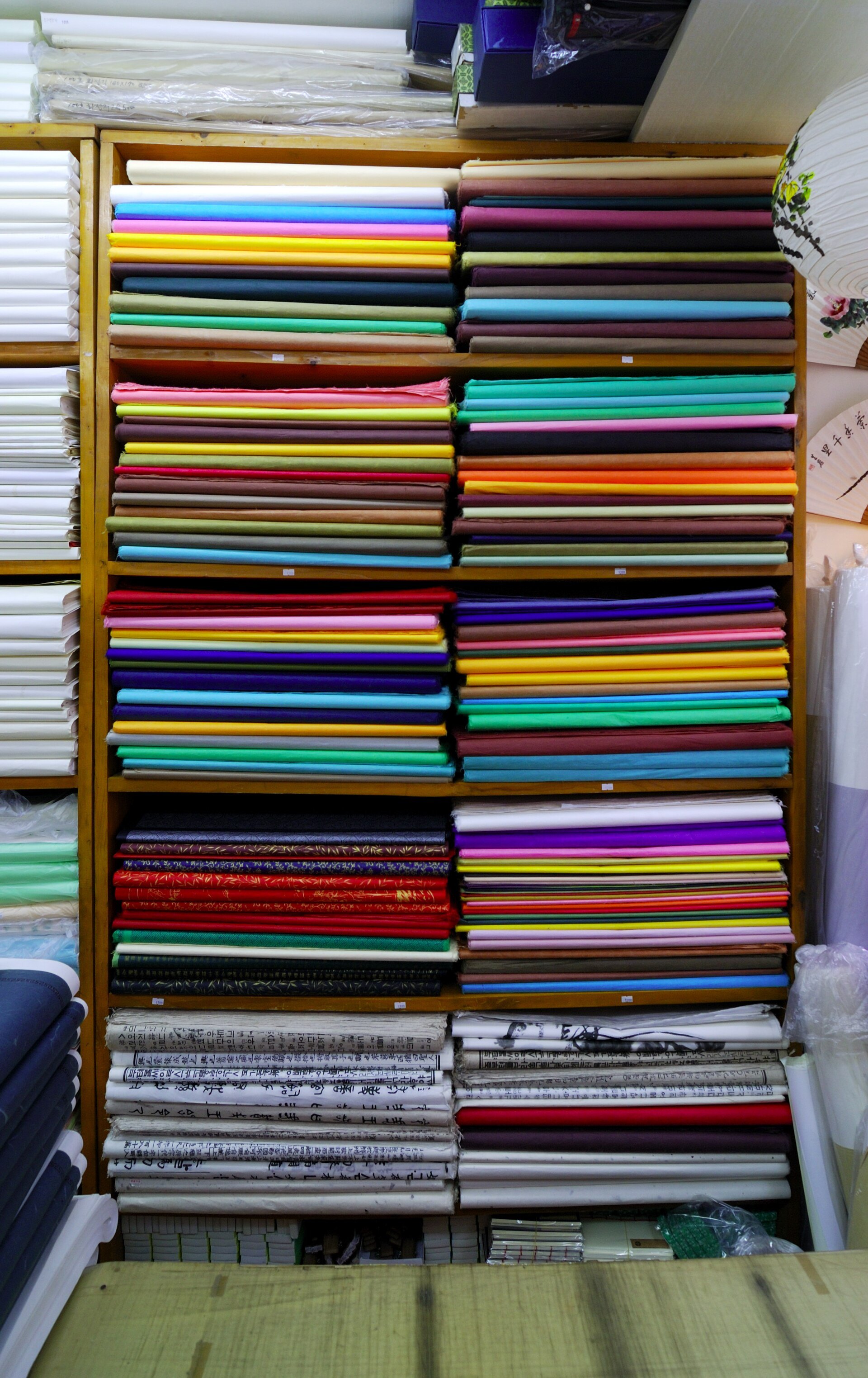 Insadong⭐ Free · paper, tea and galleries
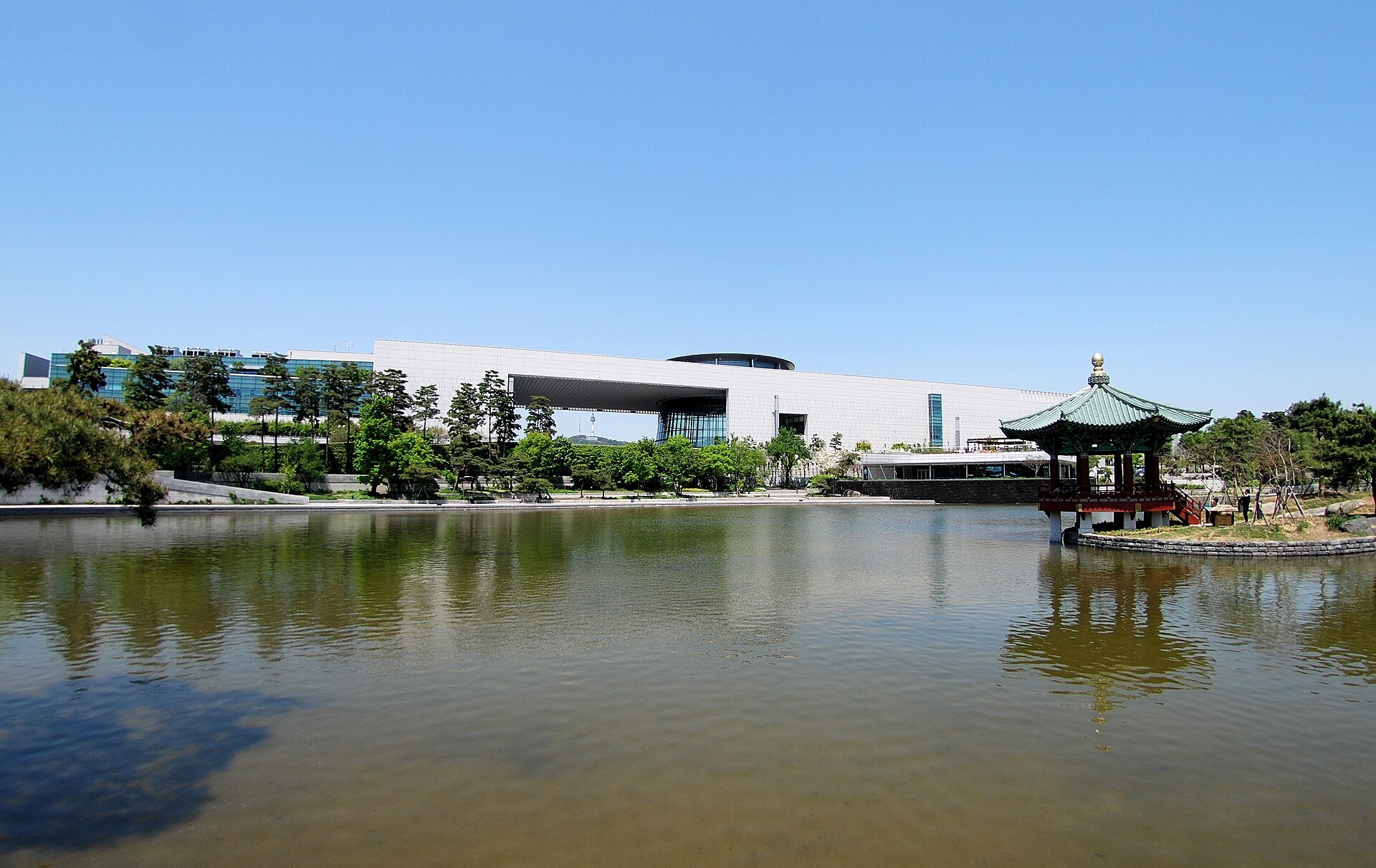 National Museum of Korea⭐ Free · one of the largest in the world
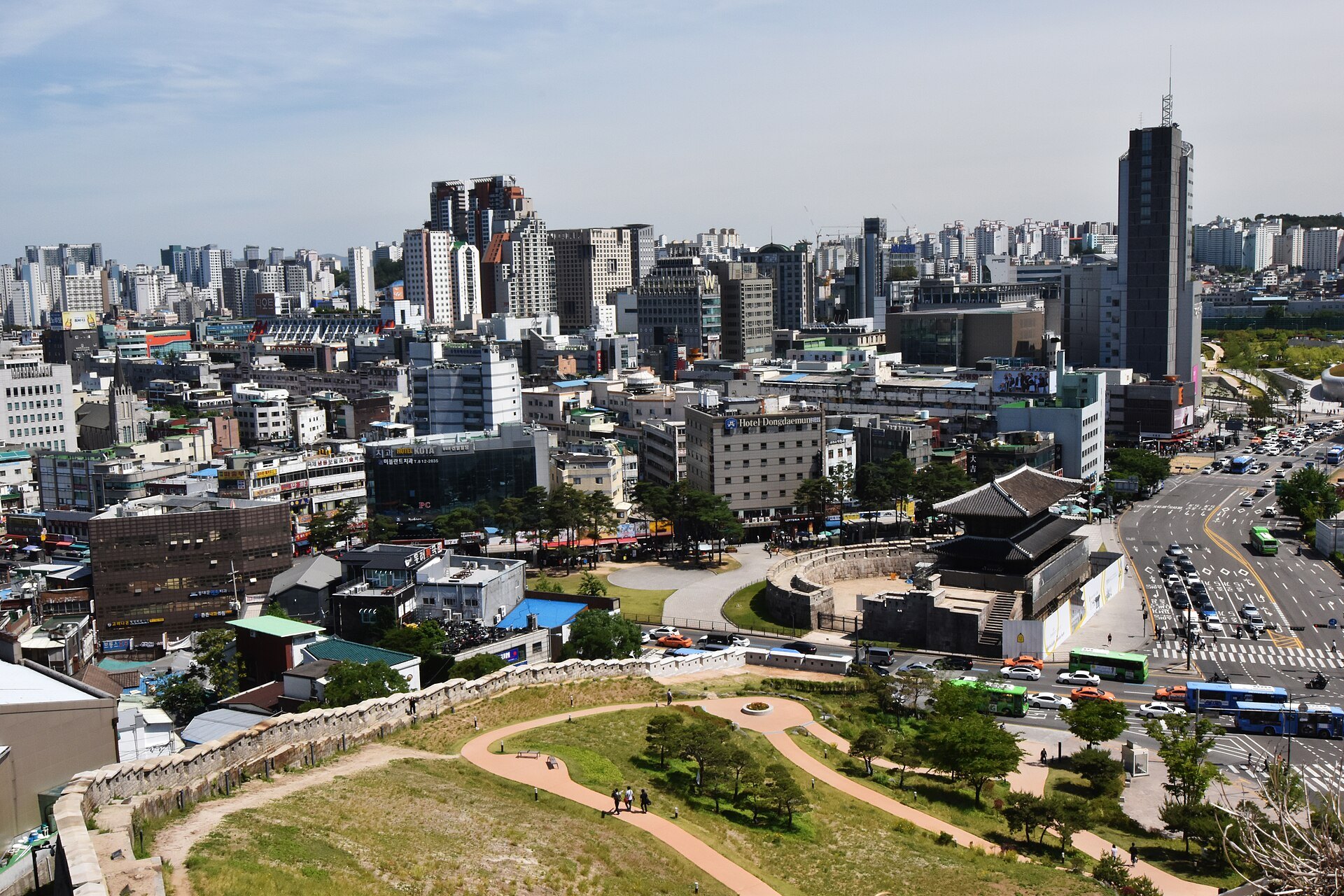 The Seoul City Wall⭐ Free · and it never closes
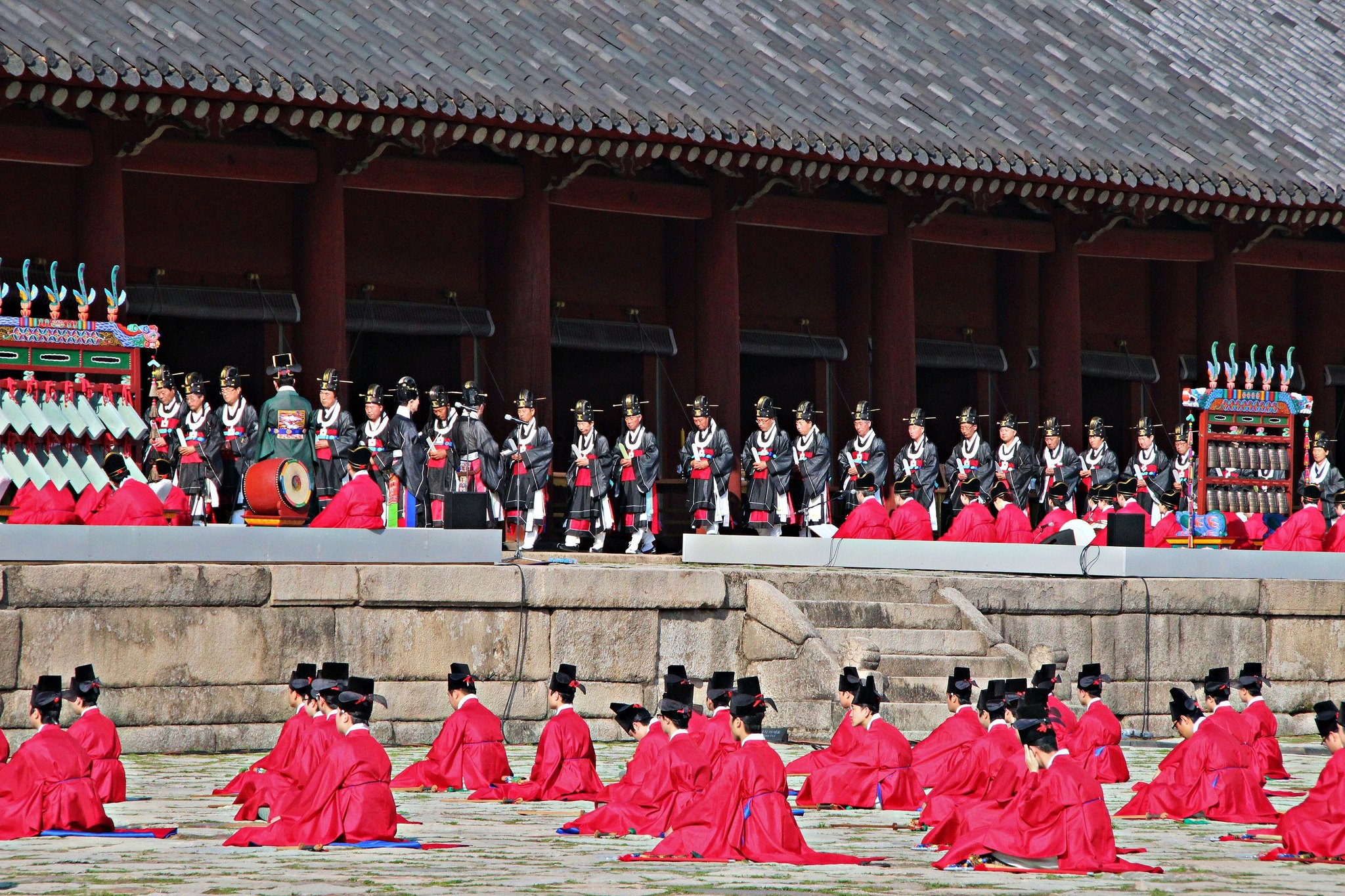 Jongmyo Shrine⚠️ Guided-tour only most days
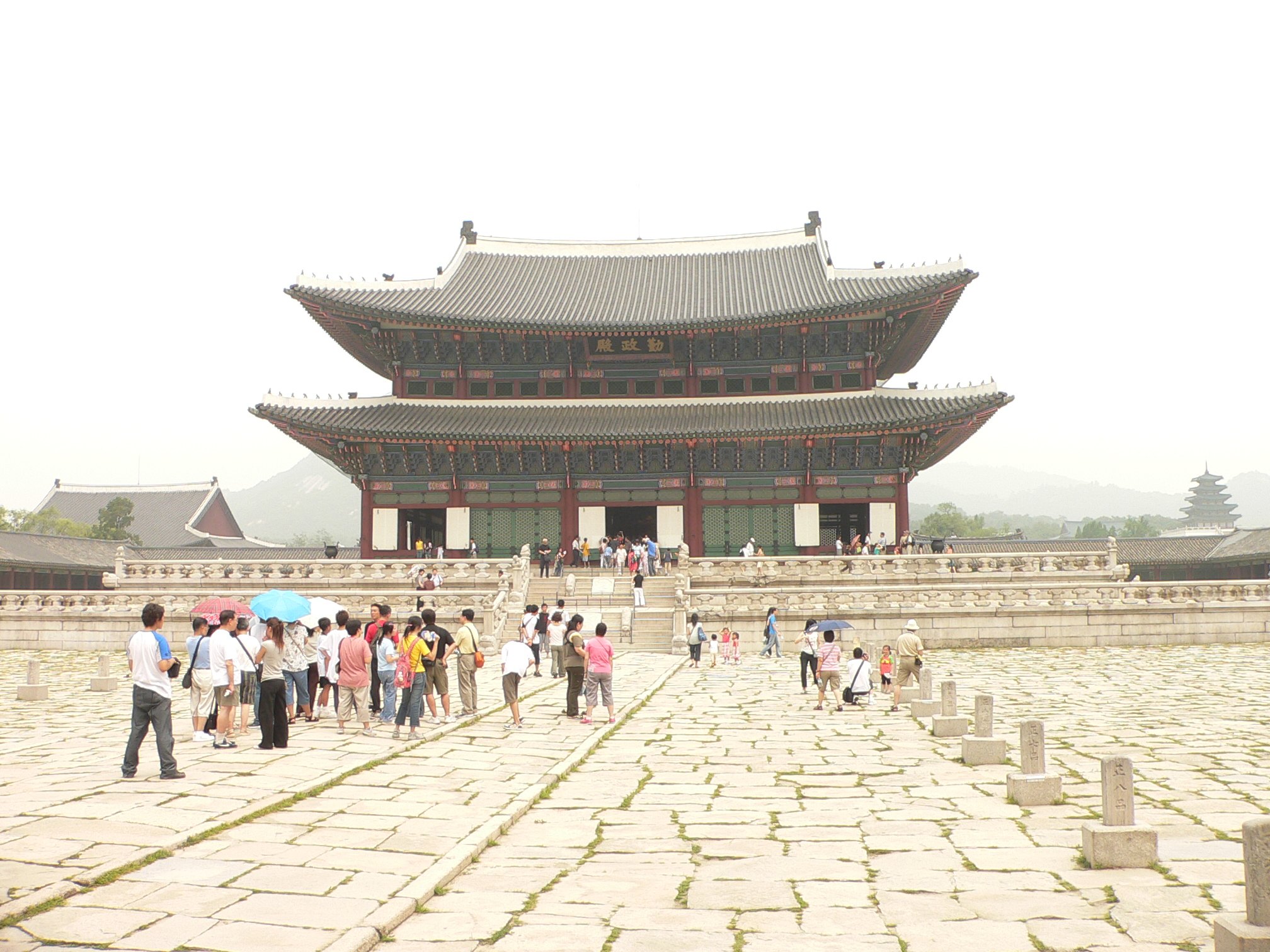 GyeongbokgungThe big one · closed Tuesdays
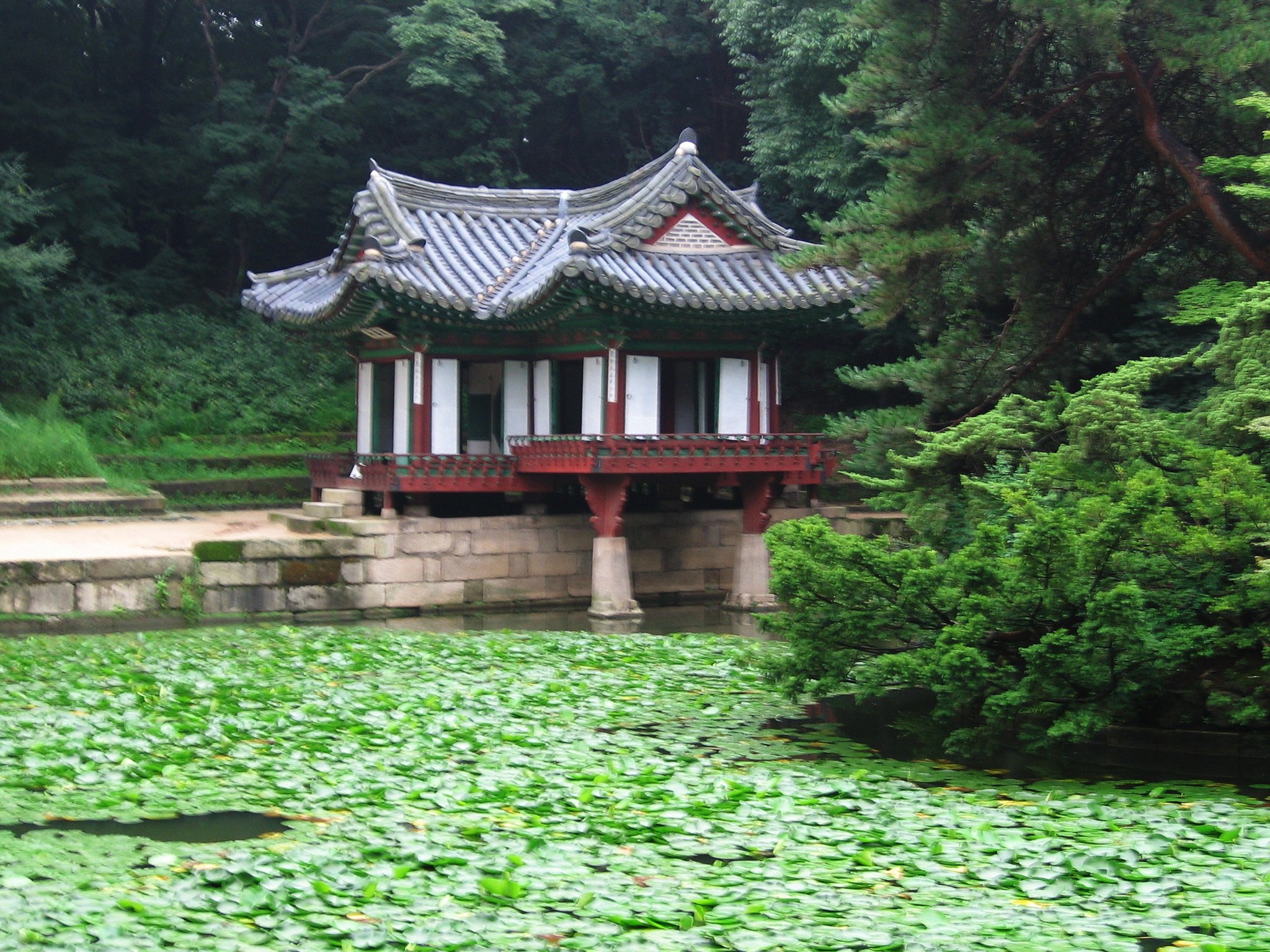 ChangdeokgungThe garden is a separate timed ticket
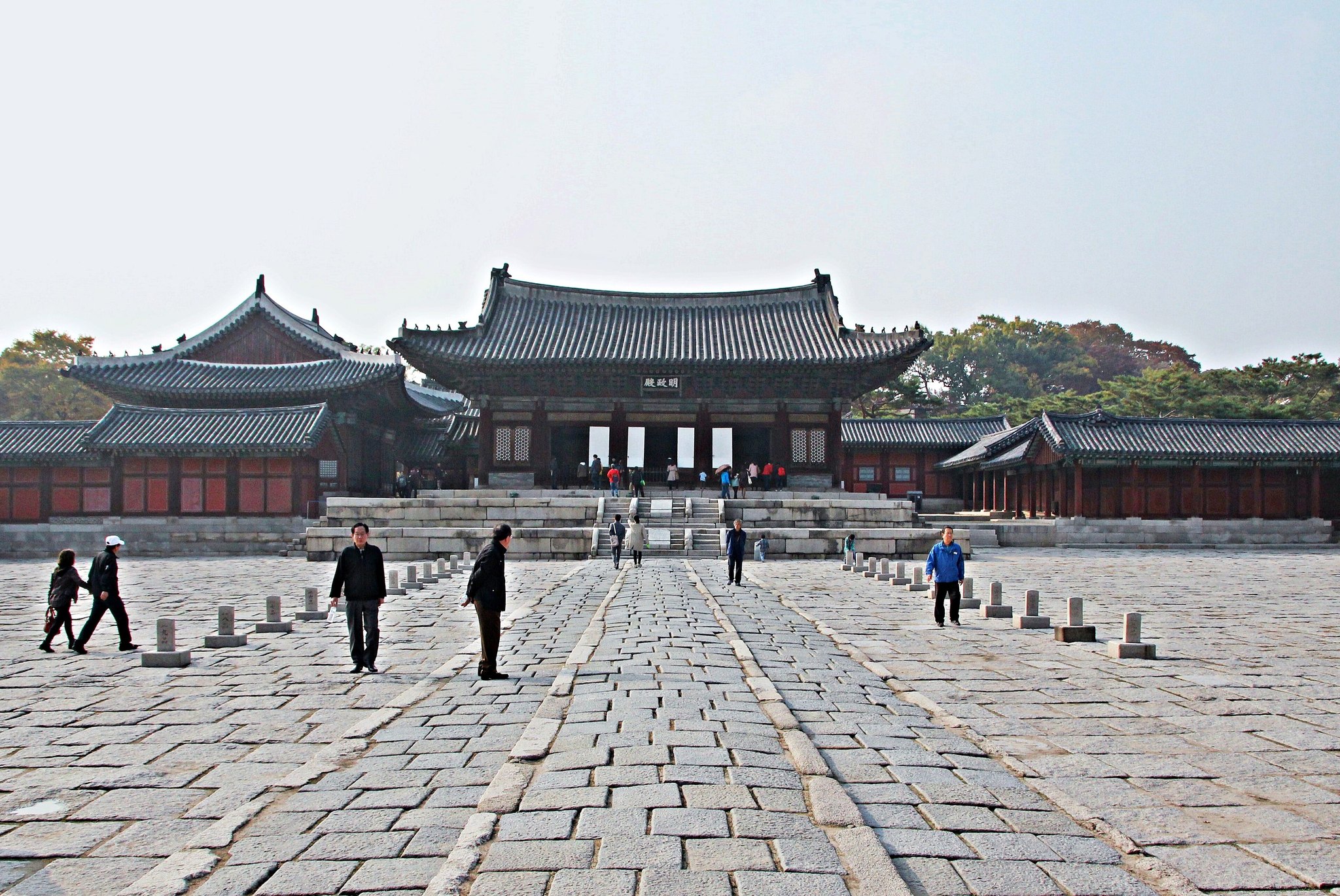 ChanggyeonggungQuiet · connects to Changdeokgung
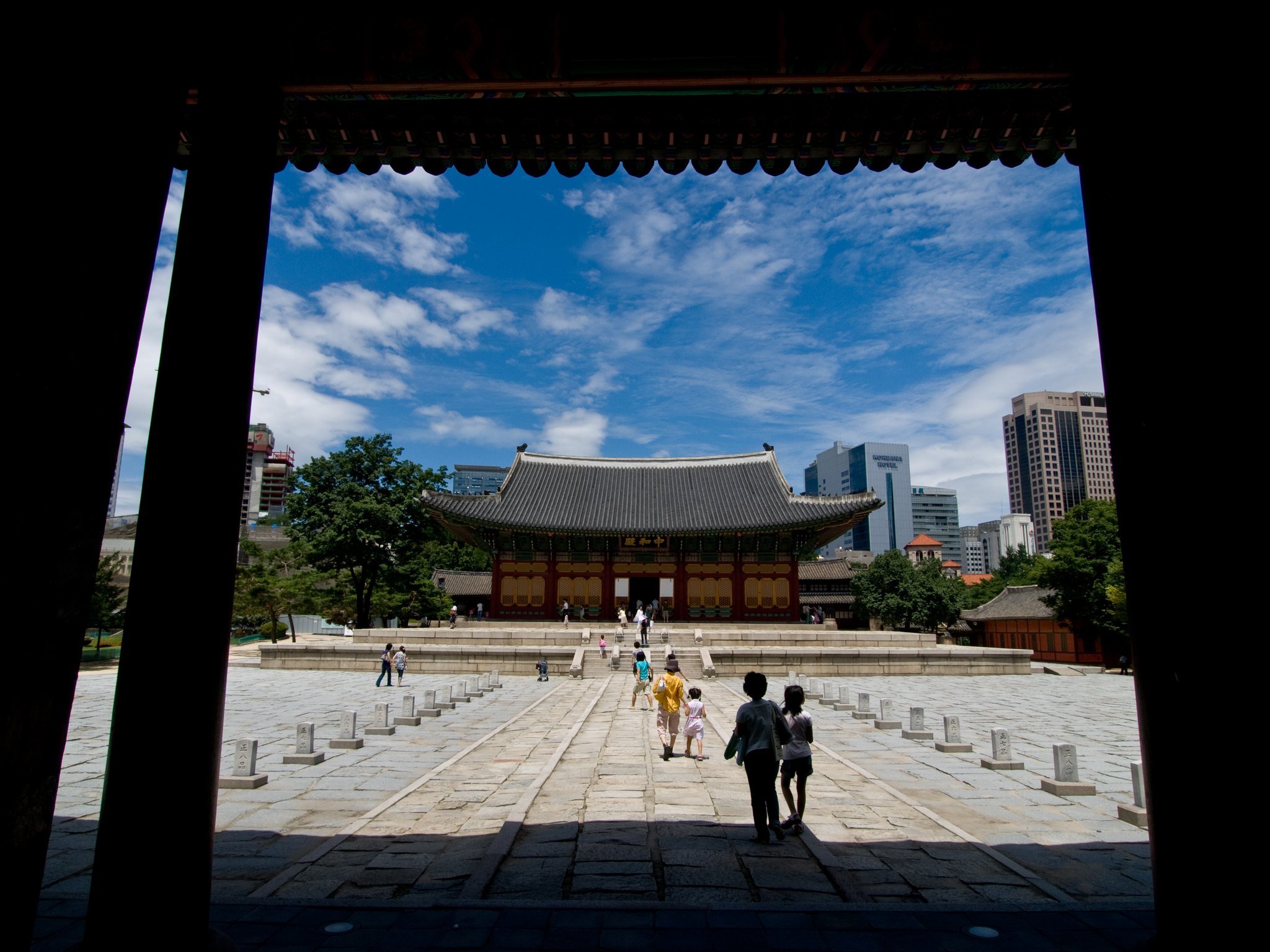 DeoksugungWhere Joseon met the twentieth century
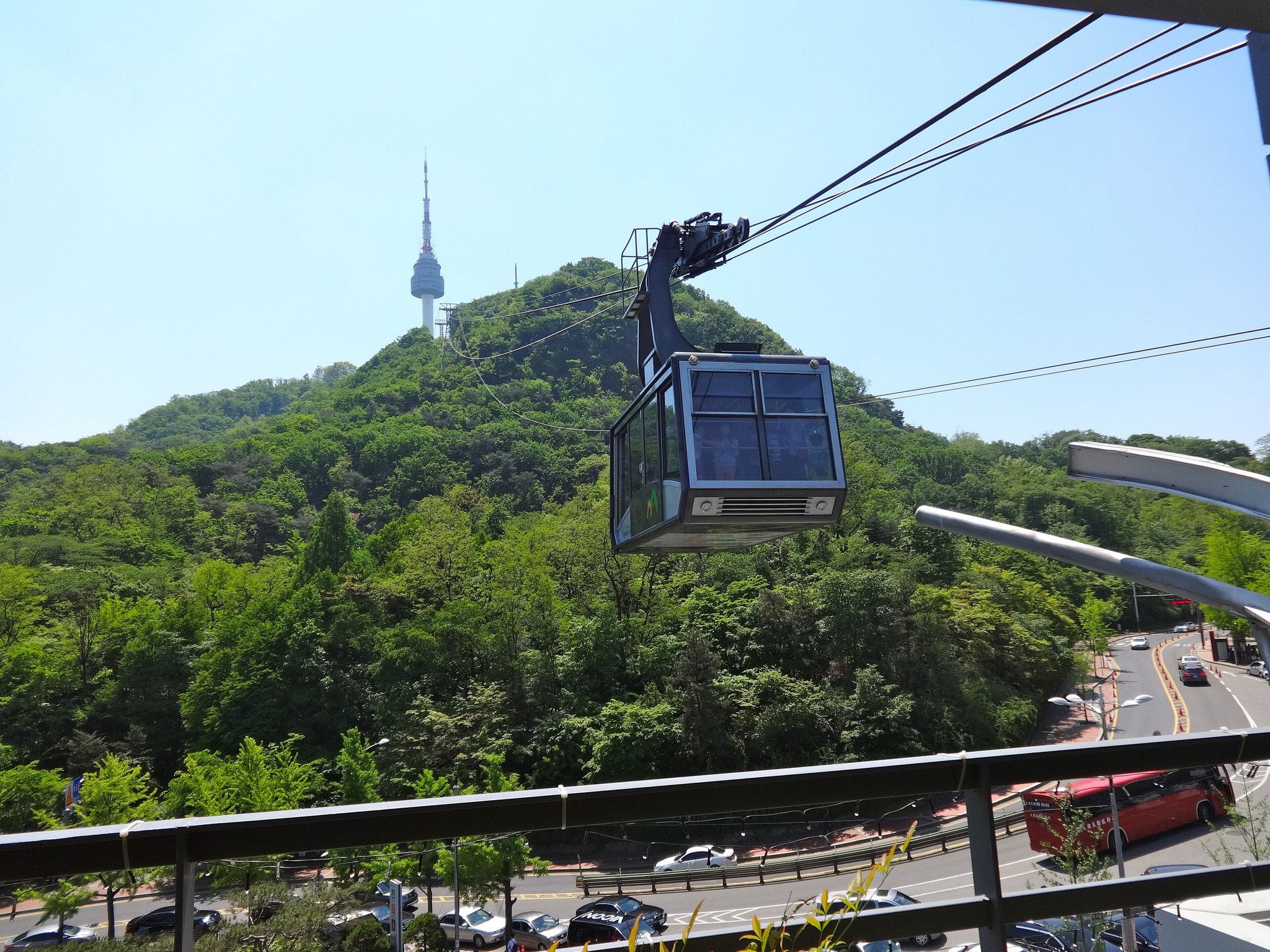 Namsan & N Seoul TowerMountain free · tower ticketed
Photographs above, in order, from Wikimedia Commons: Johnny Silvercloud (CC BY-SA 2.0) · Bgag (CC0) · 螺钉 (CC BY-SA 3.0) · Basile Morin (CC BY-SA 4.0) · Stck w This photo was taken with Sharp Aquos R3 (CC BY-SA 4.0) · Smiley.toerist (CC BY-SA 4.0) · Dwxn (CC BY-SA 4.0) · Richard Fisher from London, UK (CC BY 2.0) · Jinah78 (CC BY-SA 3.0) · Jjw (CC BY-SA 4.0) · Noh Mun Duek (CC BY-SA 4.0) · Craig Nagy (CC BY-SA 2.0) · No machine-readable author provided. IGEL assumed (based on copyright claims). (CC BY-SA 3.0) · Noh Mun Duek (CC BY-SA 4.0) · ddol-mang (CC BY-SA 2.0) · Jean & Nathalie (CC BY 2.0). Each sight page repeats its own credit beside the image.
.jpg)


_Day_of_Rites_and_ceremonies.jpg)


.jpg)


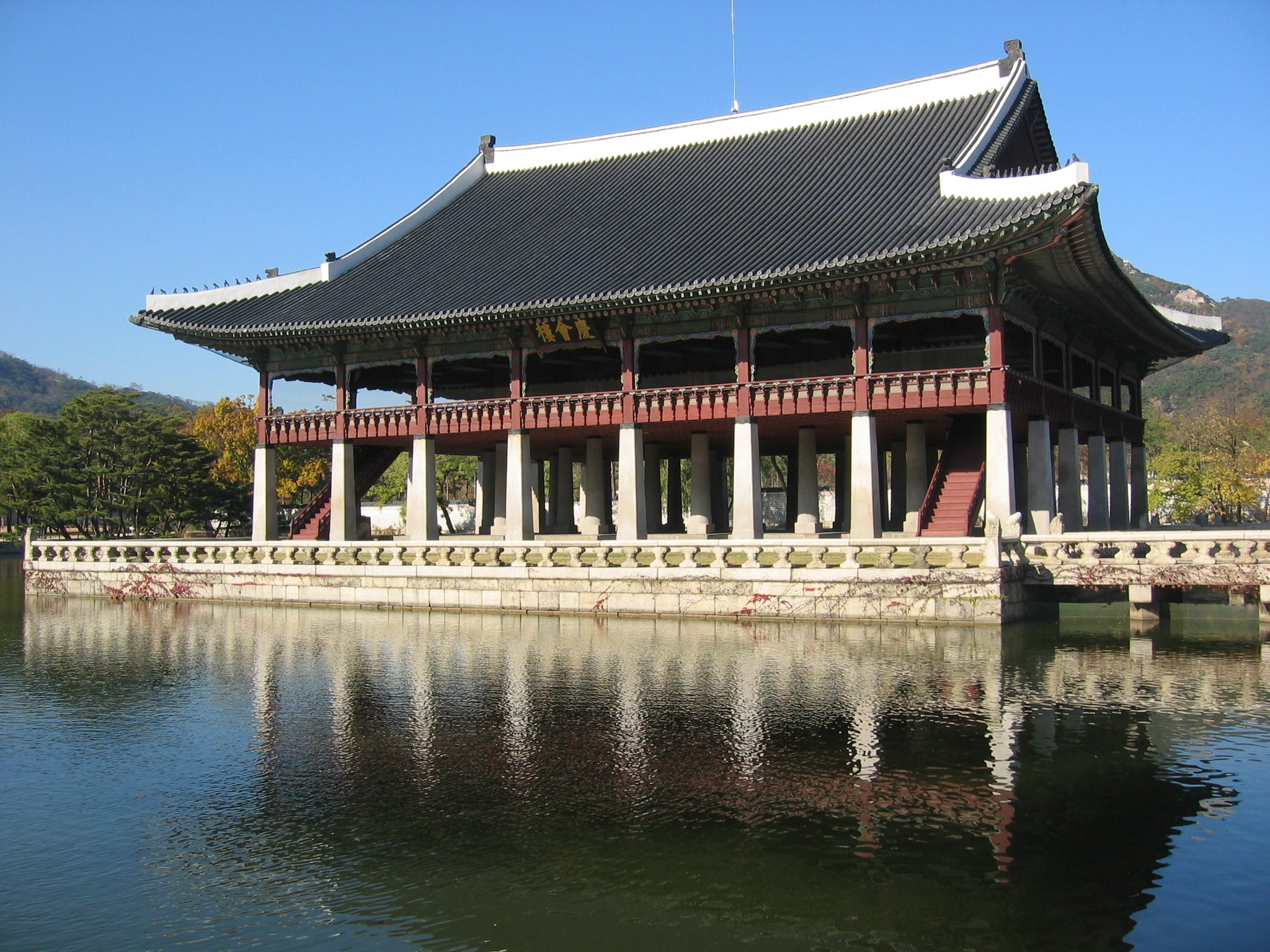

Sixteen places, and eleven of them are free
That ratio is the honest summary of sightseeing in Seoul. The city wall costs nothing and has no opening hours. The great public spaces — Gwanghwamun Square, the Cheonggyecheon — cost nothing. The national museums cost nothing. The markets cost nothing to walk into.
What costs money is the modern machinery: the observation deck, the cable car up to it, the special exhibition inside the free museum. And the palaces, which charge about what a coffee costs.
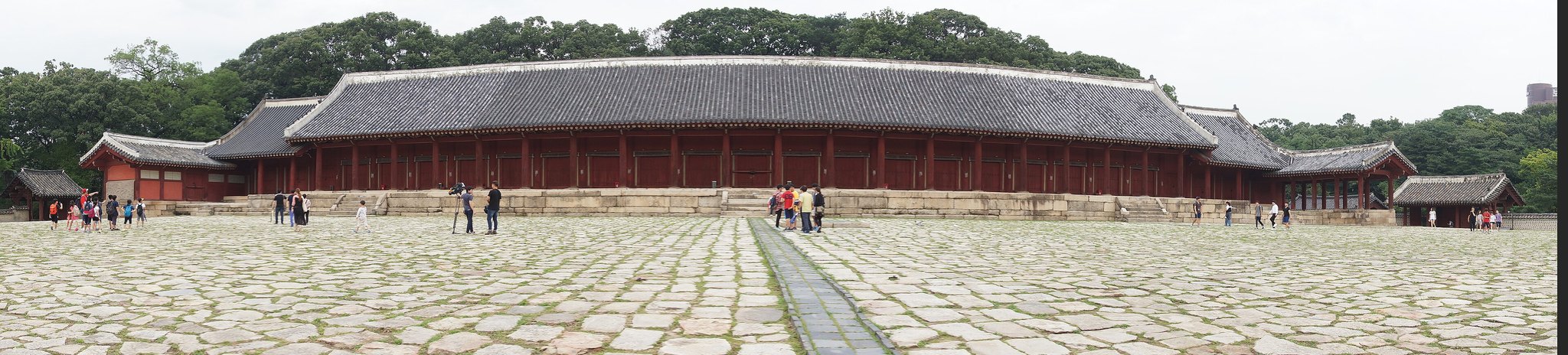

Every sight here has its own page
Not a paragraph in a list — a page, with what it costs, when it is shut, how to get there, what to do in an hour, and what people get wrong. The closing days in particular are not consistent across the city and getting them wrong is the commonest wasted morning in Seoul.
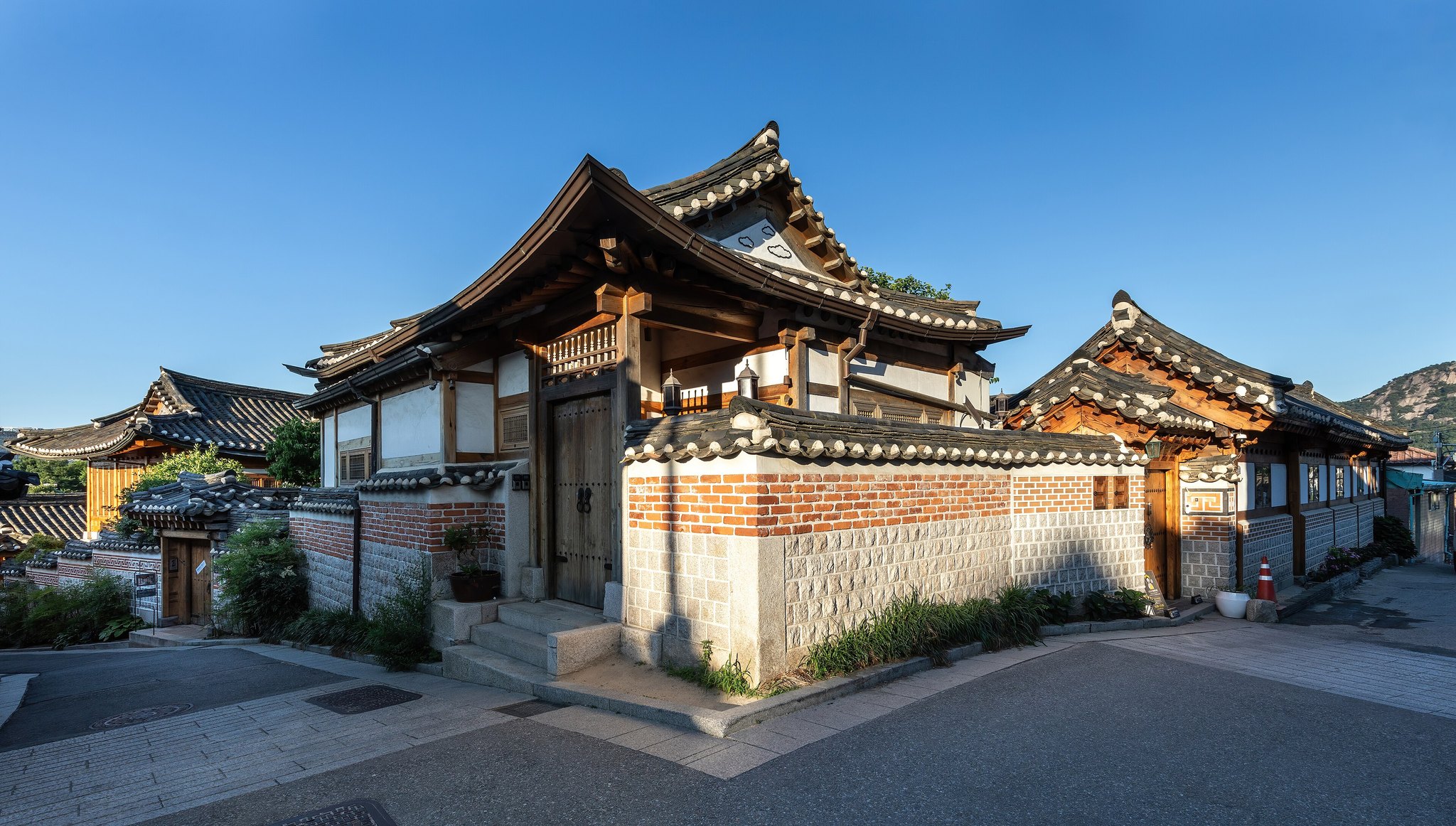

The one thing to know before you go to any of them
⭐ Wearing hanbok gets you into every palace and into Jongmyo free. Rental shops cluster around Gyeongbokgung and Bukchon. It is a standing policy, not a promotion, and it is why the courtyards are full of people in Joseon dress.
How the city is laid out
The old capital sits in a bowl between four mountains, north of the Han river, and the wall runs over the ridges between them. Everything on this list except the National Museum and the Dongdaemun Design Plaza is inside or on that old boundary, which is why central Seoul is far more walkable than a city of nine and a half million has any right to be.
South of the river is Gangnam: newer, richer, on a grid, and almost entirely absent from this list, because what is worth seeing there is a way of life rather than a monument.
This section is being written. The guide above is the section for now. New guides go up three times a week, on Monday, Wednesday and Friday, so this page grows steadily — it is worth looking in again. In the meantime the sixteen sight pages and the plans by trip length are finished, and they are the best place to start.
Coming next in this section
- Walking the Seoul City Wall: the Six Sections, Ranked
- N Seoul Tower: What You Pay For and What Is Free
- Cheonggyecheon: the Motorway They Took Down
- The Changing of the Guard, and Why You Do Not Need a Ticket