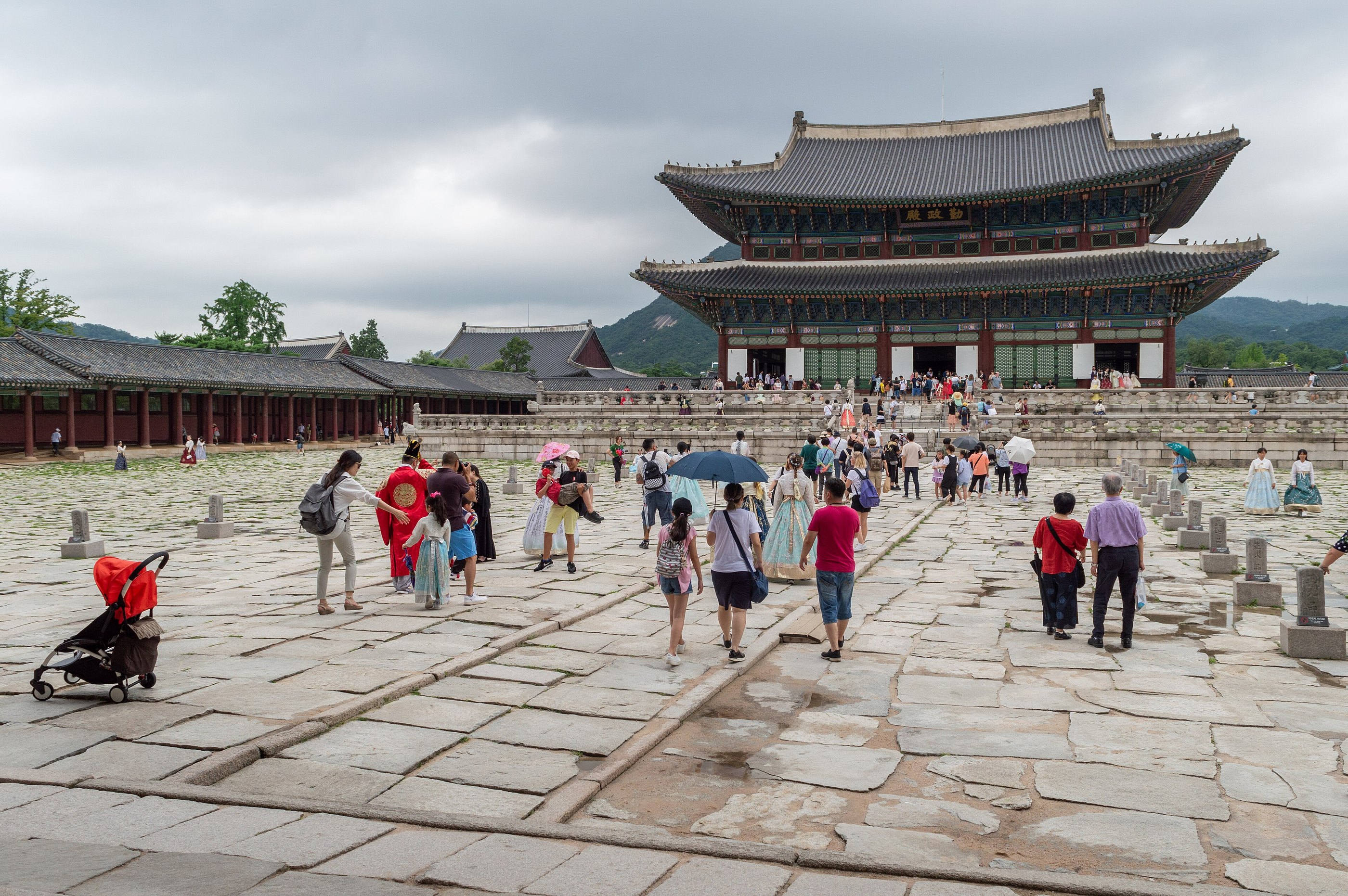
Five palaces for the price of a coffee.
The old things cost almost nothing and the city never closes. Five palaces for the price of a coffee, the national museums for free — and a last train at midnight.
Photograph by Tristan Surtel, Wikimedia Commons, CC BY-SA 4.0

Palaces: the five Joseon royal palaces, plus Jongmyo, which is a shrine and is on the same ticket. “11 of 16” counts the sight pages here that charge no admission at all. The city wall is 18.6 km as originally built, of which roughly twelve survive or have been rebuilt. The last train varies by line, direction and day — midnight is the figure to plan against, not a timetable.
Four things to know before you go
Each of these decides how a day goes, and none of them is on the front of a guidebook.
Wearing hanbok is free admission to all five palaces and to Jongmyo. It is a standing policy, not a promotion. Rental shops cluster around Gyeongbokgung and Bukchon — do it on the day you plan to see more than one.
Gyeongbokgung closes Tuesday. Changdeokgung, Changgyeonggung, Deoksugung and Jongmyo close Monday. Plan “palaces on Monday” and you lose four of the five.
Fares are distance-based, so you tap the card again when you leave — on the bus as well as the subway. Miss it and you are charged to the end of the line and lose the free transfer.
Changdeokgung's Huwon is a separate, timed, capped guided walk. In blossom and maple season the English slots go days ahead. It is the commonest wasted journey in Seoul.
Start here
Eleven sections, drawn as stations on a line — in the real Seoul Metro colours, line 1 dark blue through line 9 gold, because that is how the city is actually navigated. The everyday mechanics come first, since they are what goes wrong.
The sixteen sights
Free first, ticketed after — which is the argument this whole site makes. Eleven of the sixteen cost nothing to enter.
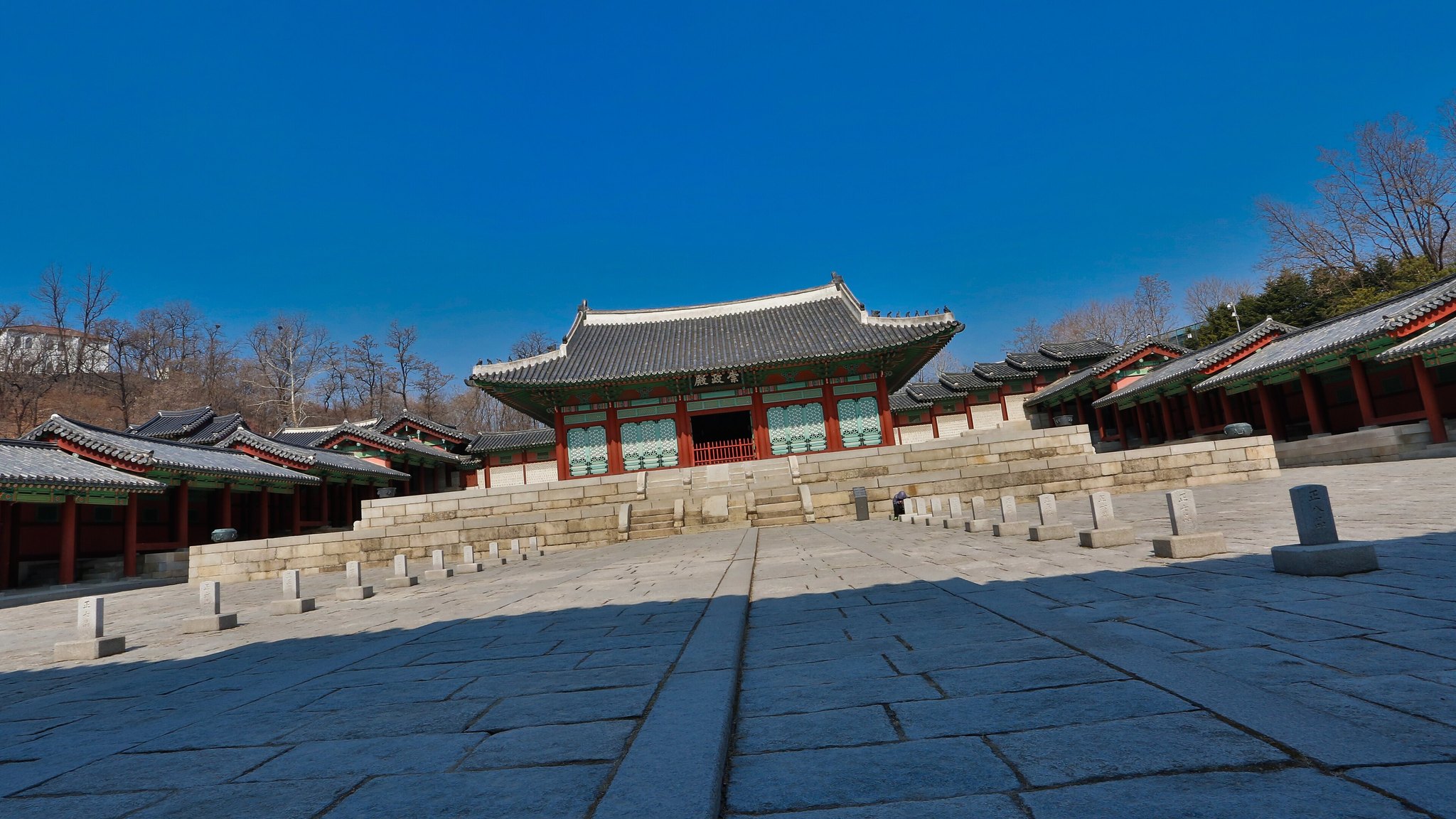 Gyeonghuigung⭐ Free · and almost empty
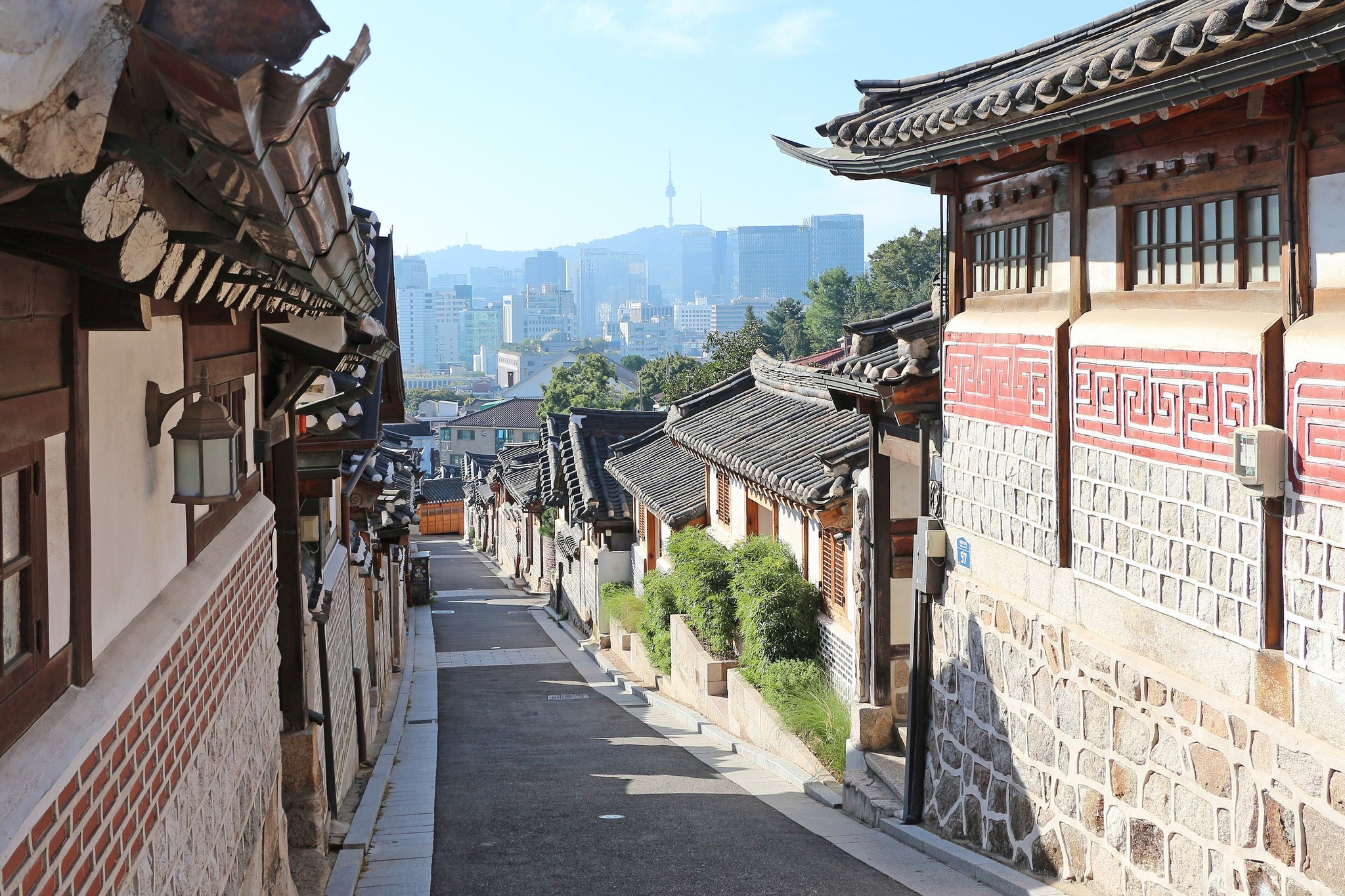 Bukchon Hanok Village⚠️ People live here · quiet hours
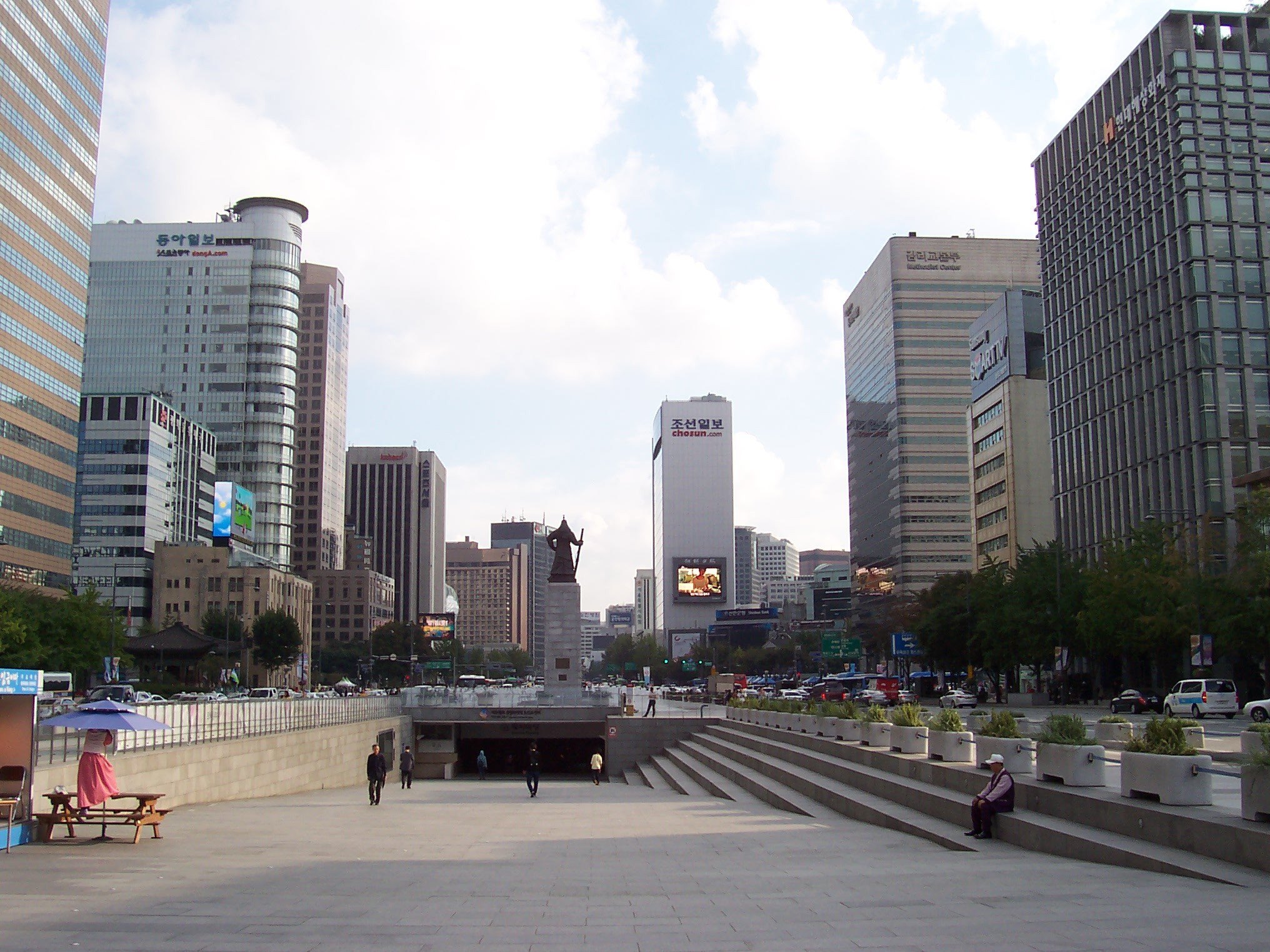 Gwanghwamun Square⭐ Free · the city's front room
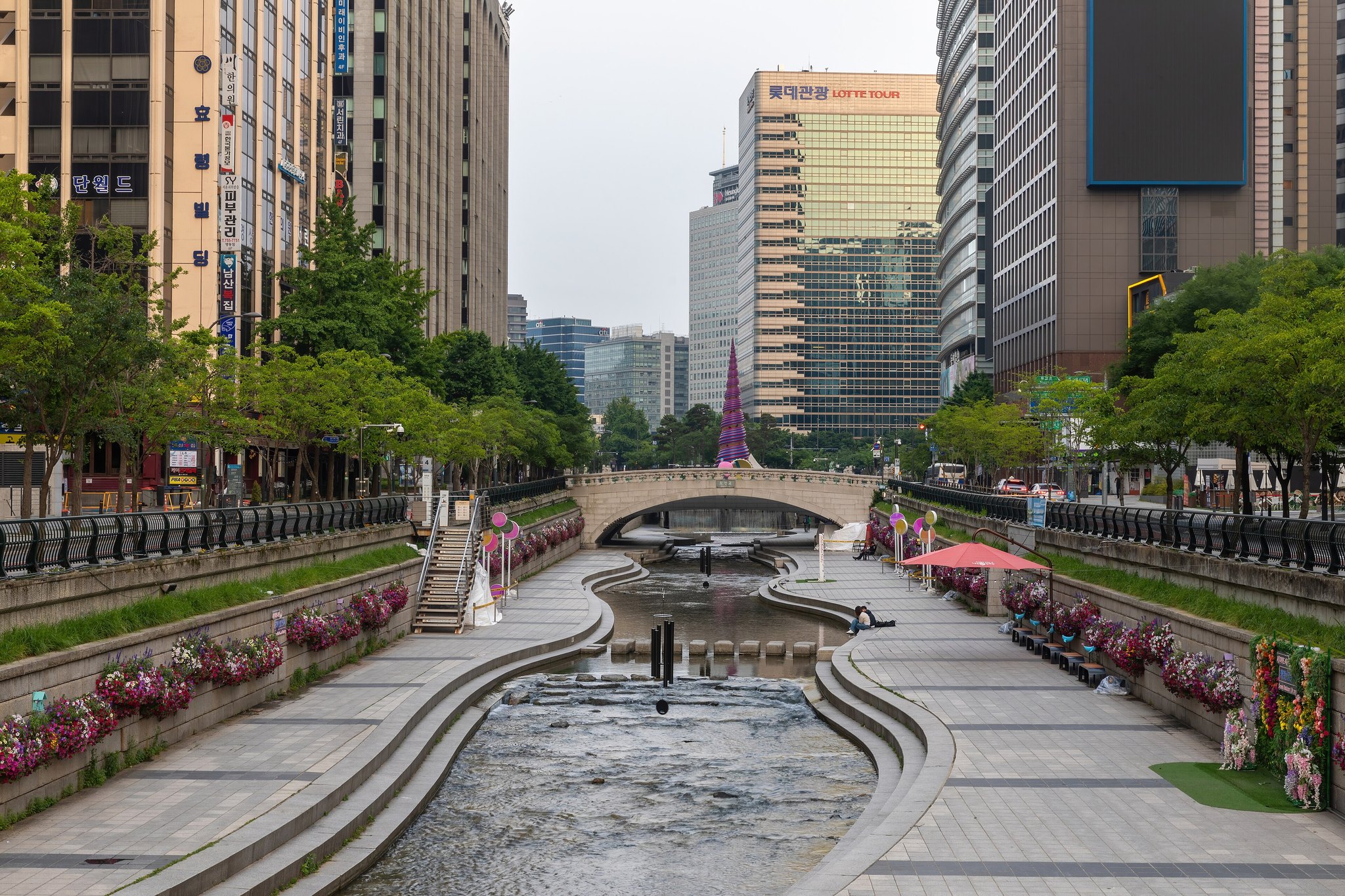 Cheonggyecheon⭐ Free · a motorway that was removed
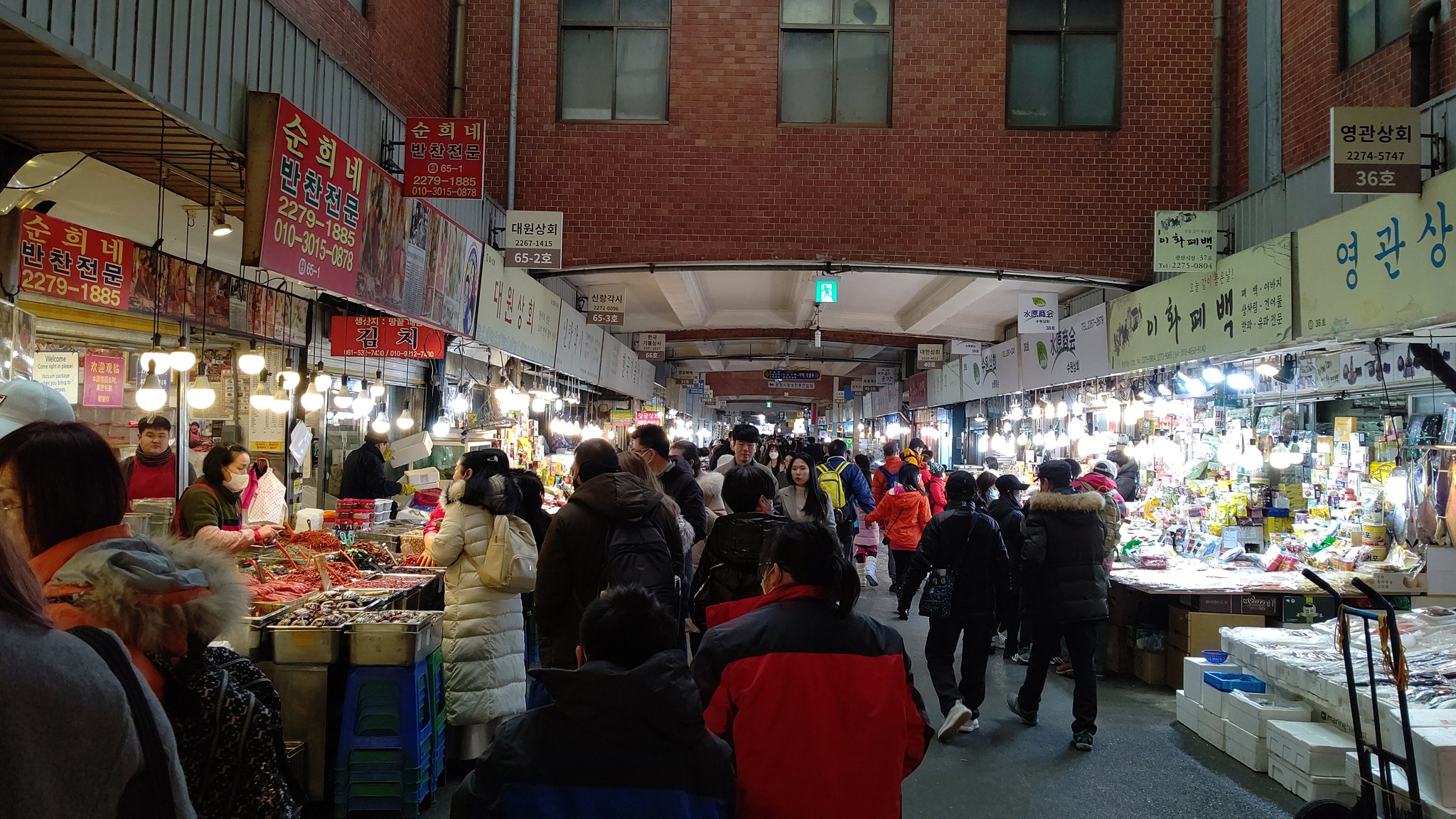 Gwangjang Market⭐ Free to enter · come hungry
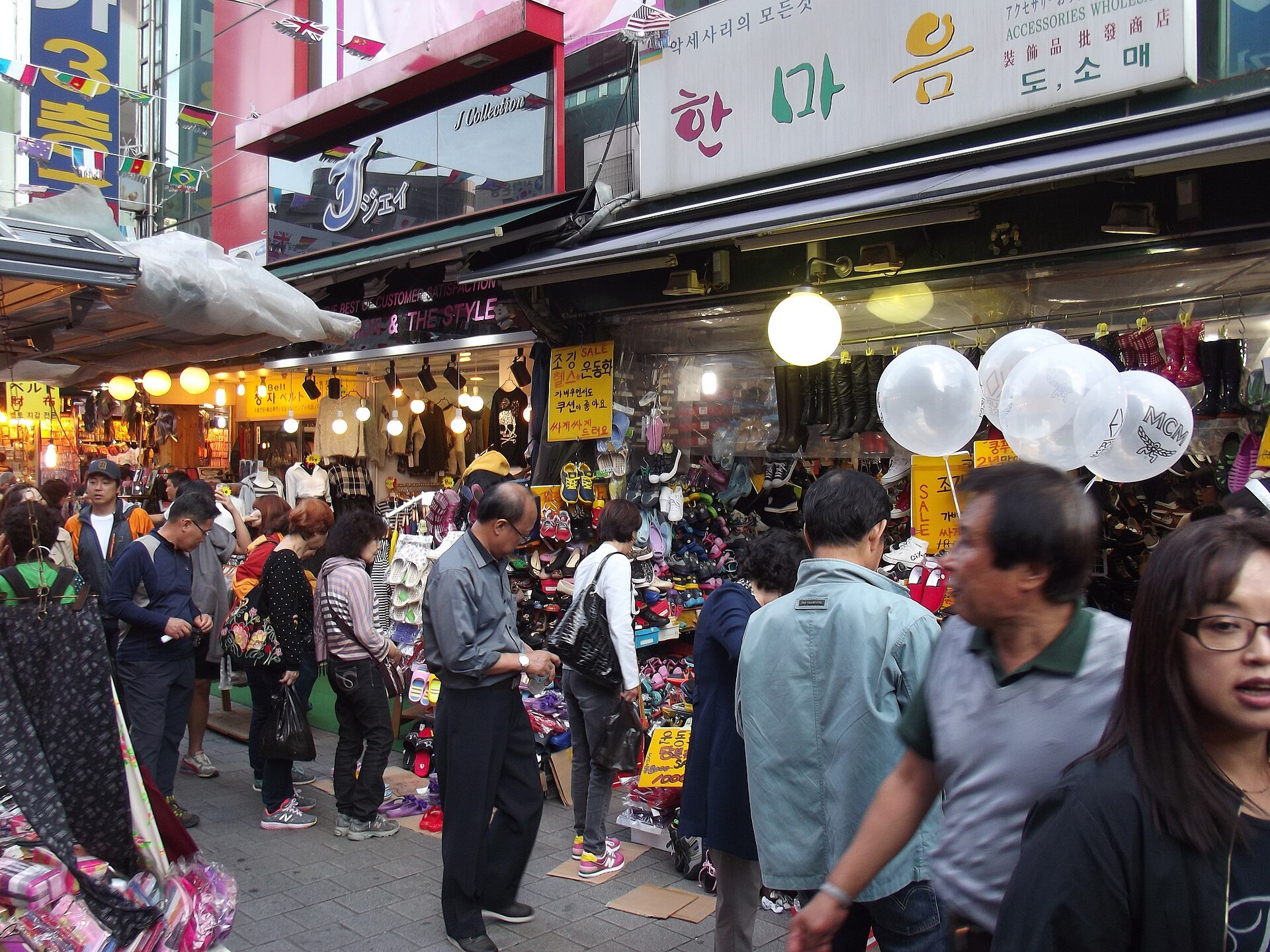 Namdaemun Market & Sungnyemun⭐ Free · Korea's biggest market
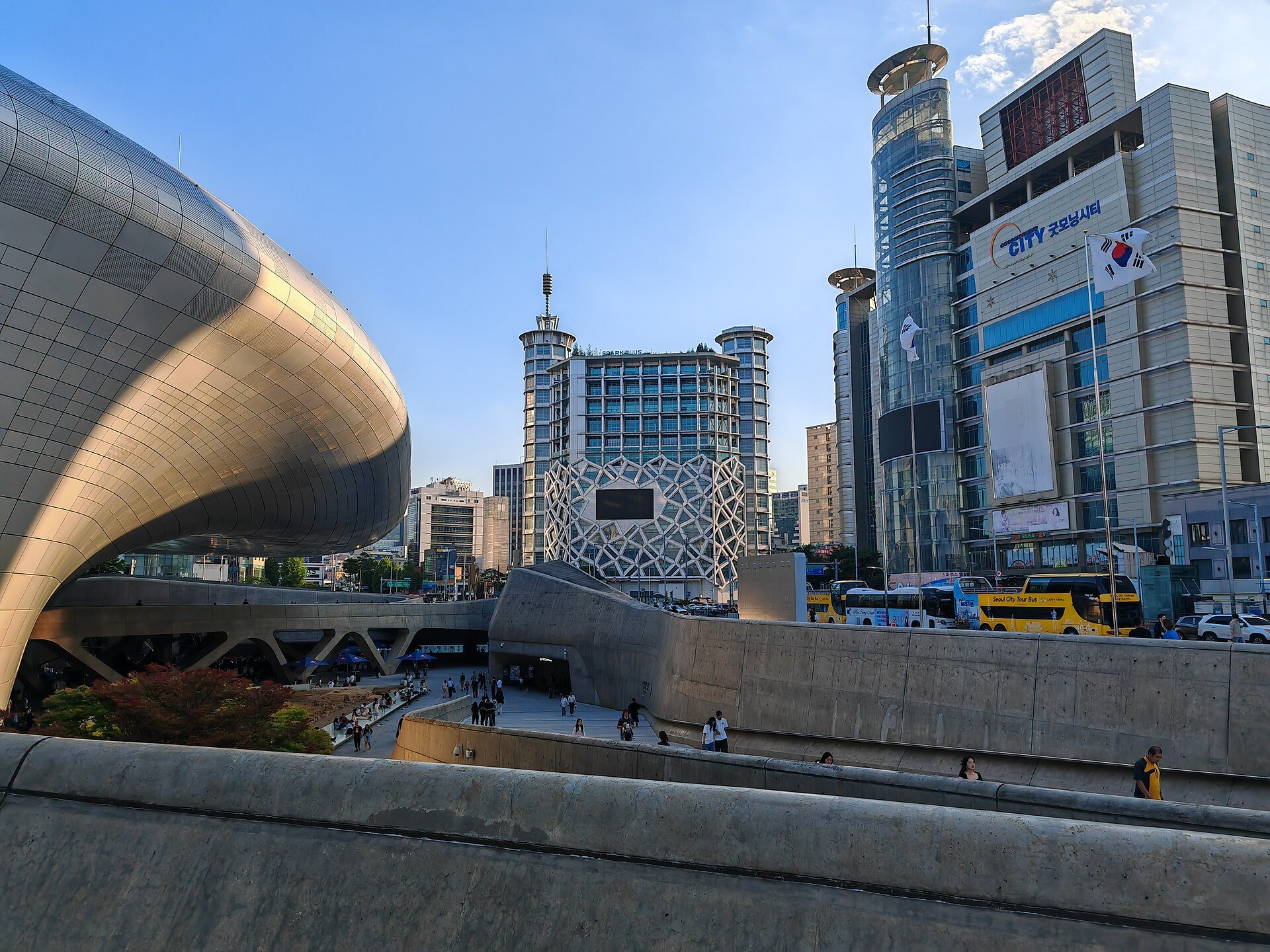 Dongdaemun Design Plaza⭐ Free to walk · exhibitions ticketed
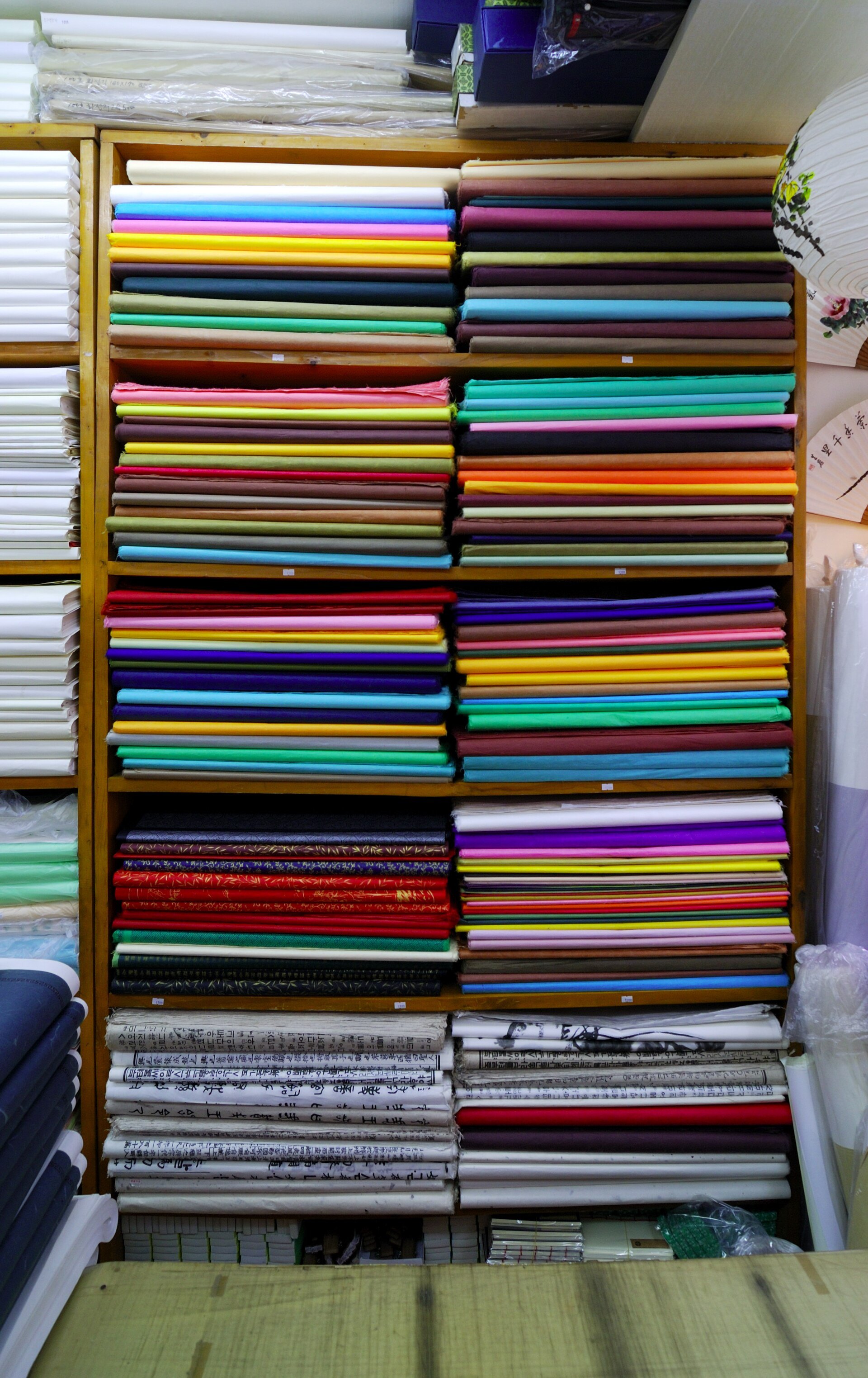 Insadong⭐ Free · paper, tea and galleries
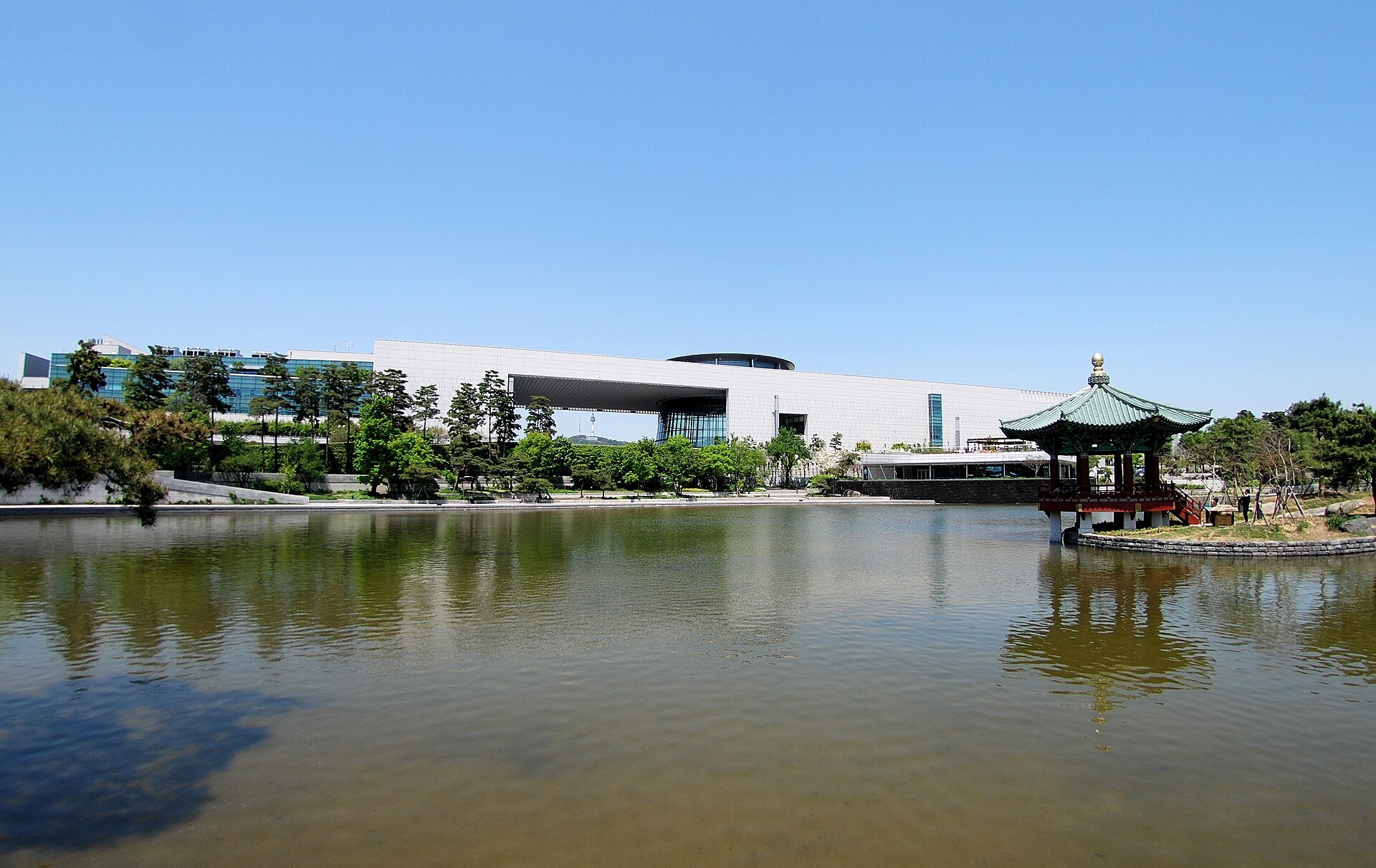 National Museum of Korea⭐ Free · one of the largest in the world
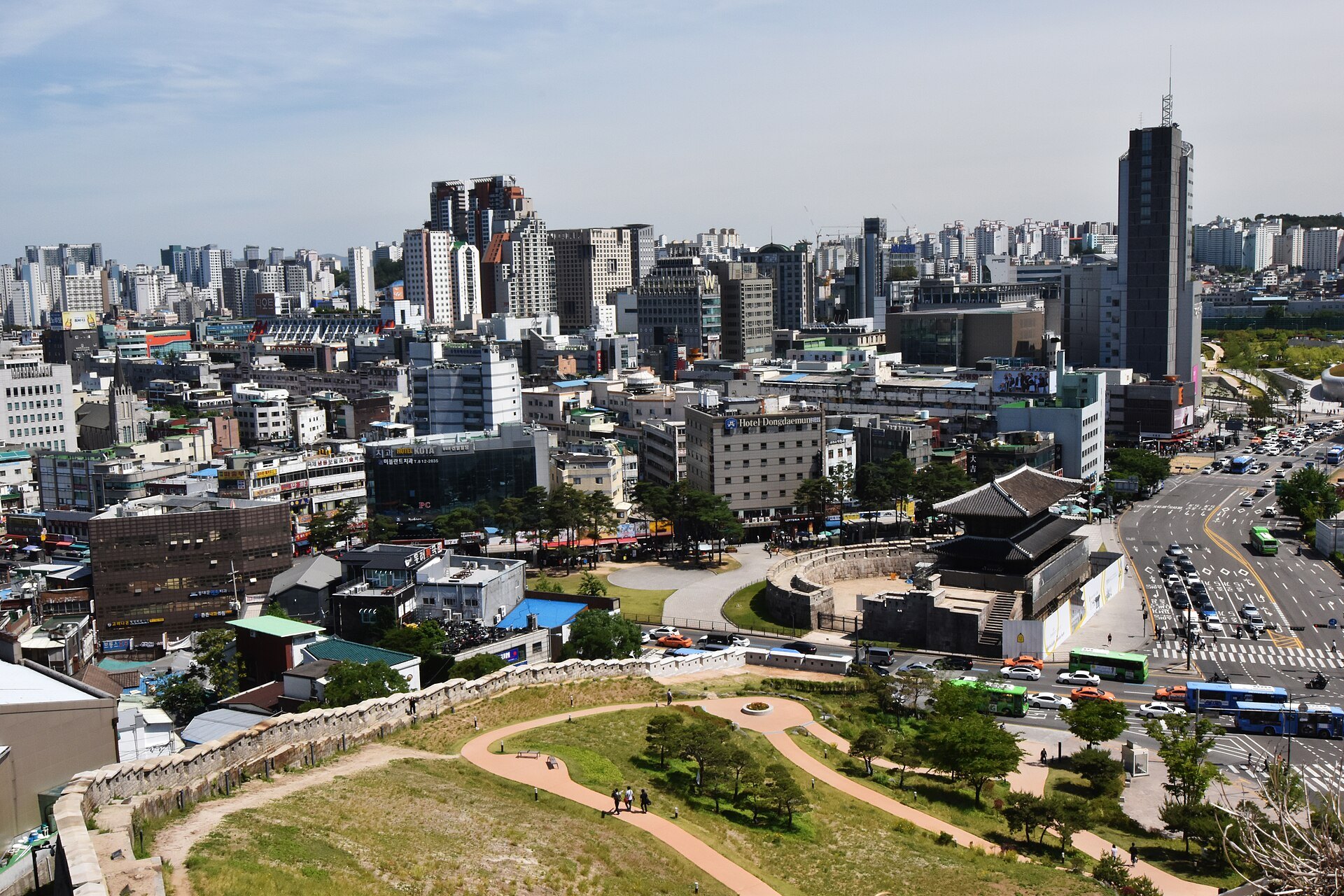 The Seoul City Wall⭐ Free · and it never closes
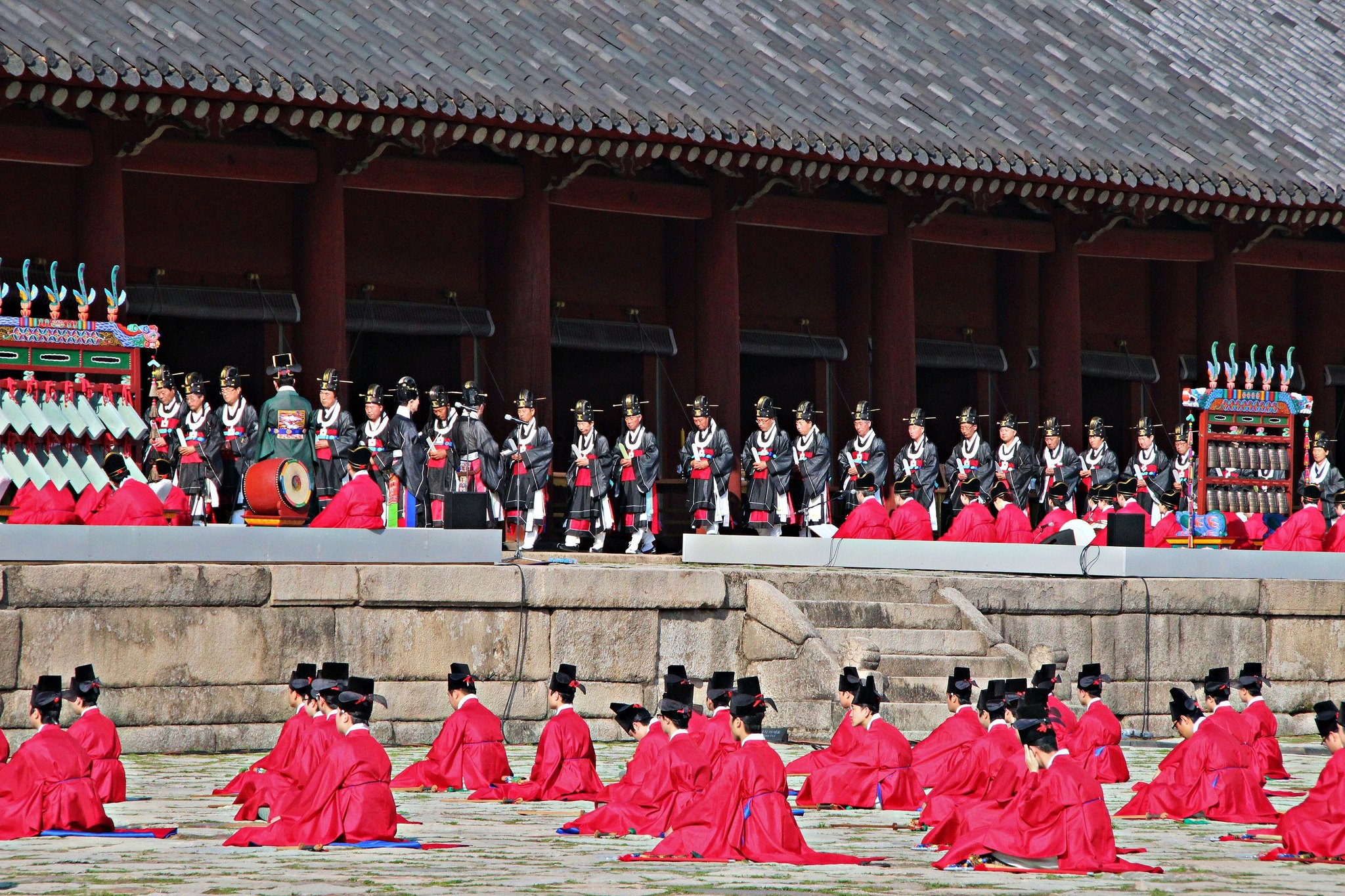 Jongmyo Shrine⚠️ Guided-tour only most days
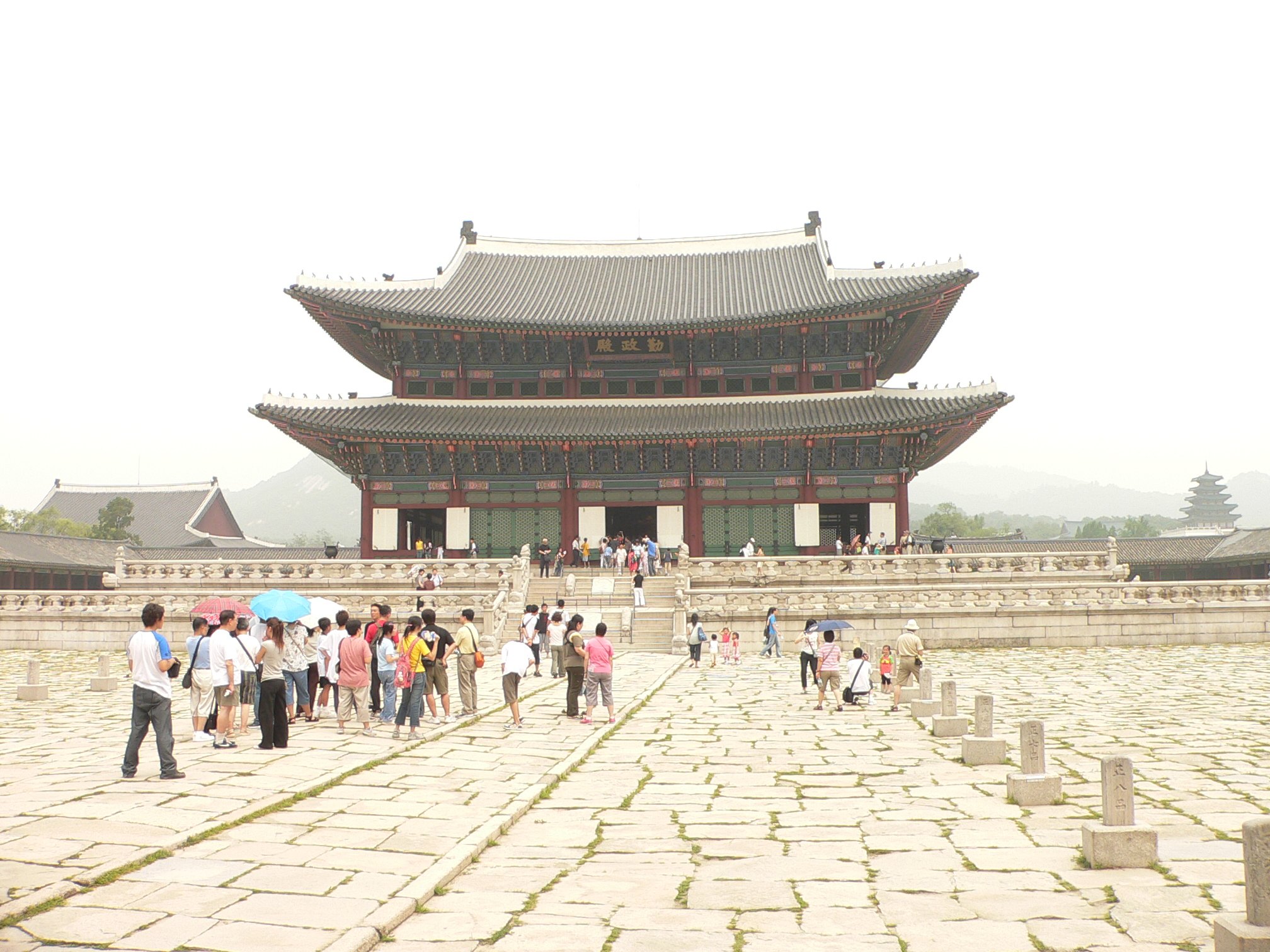 GyeongbokgungThe big one · closed Tuesdays
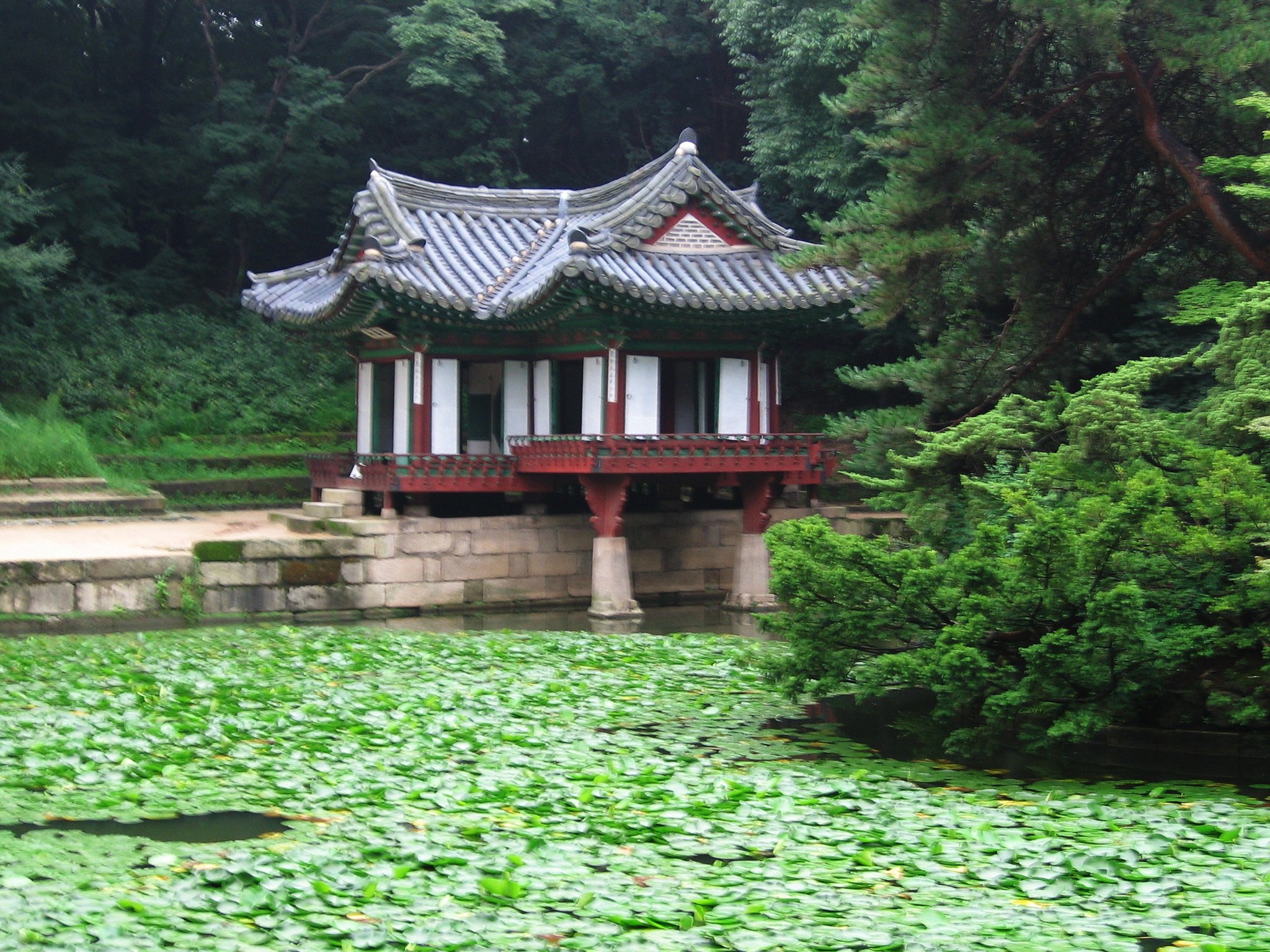 ChangdeokgungThe garden is a separate timed ticket
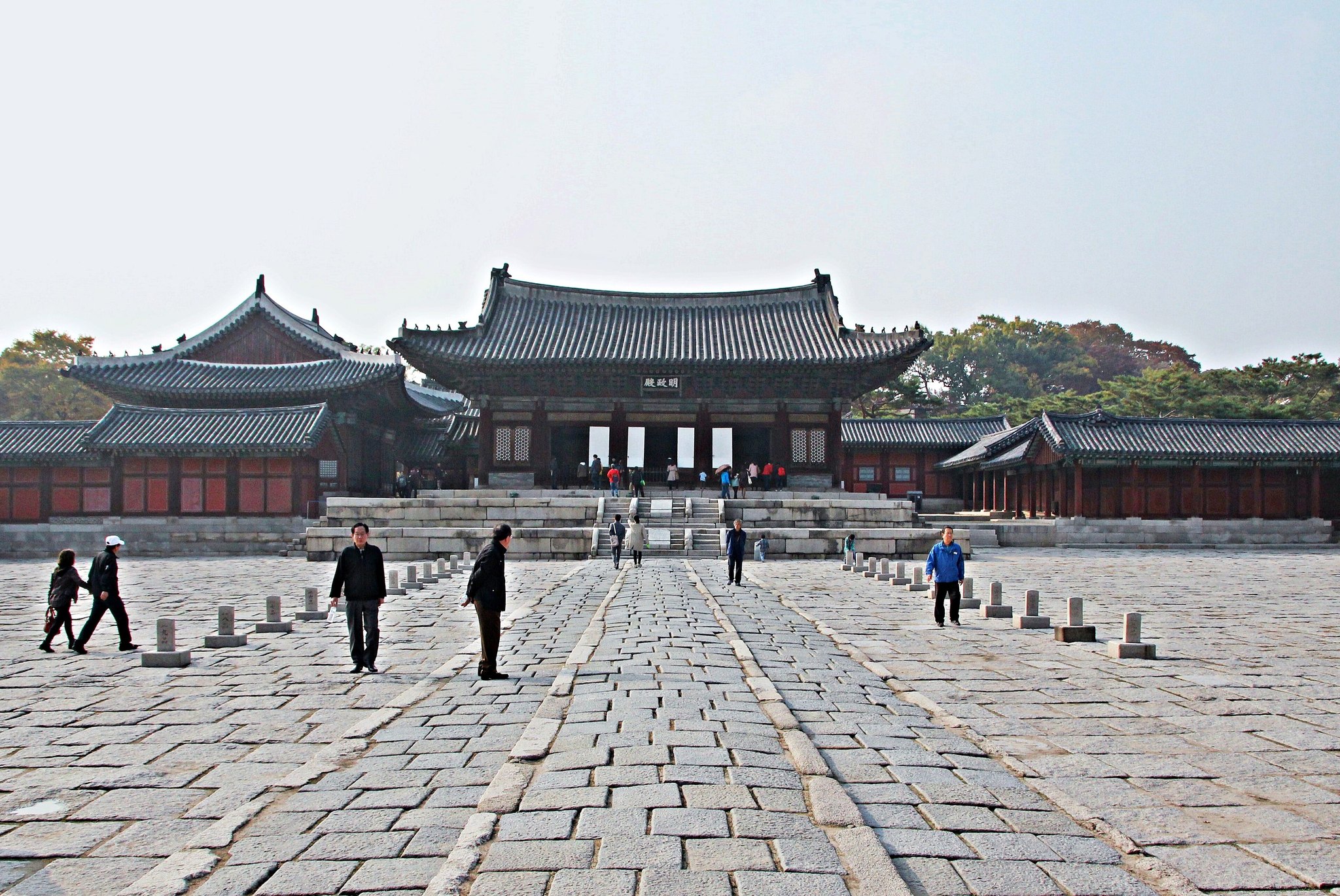 ChanggyeonggungQuiet · connects to Changdeokgung
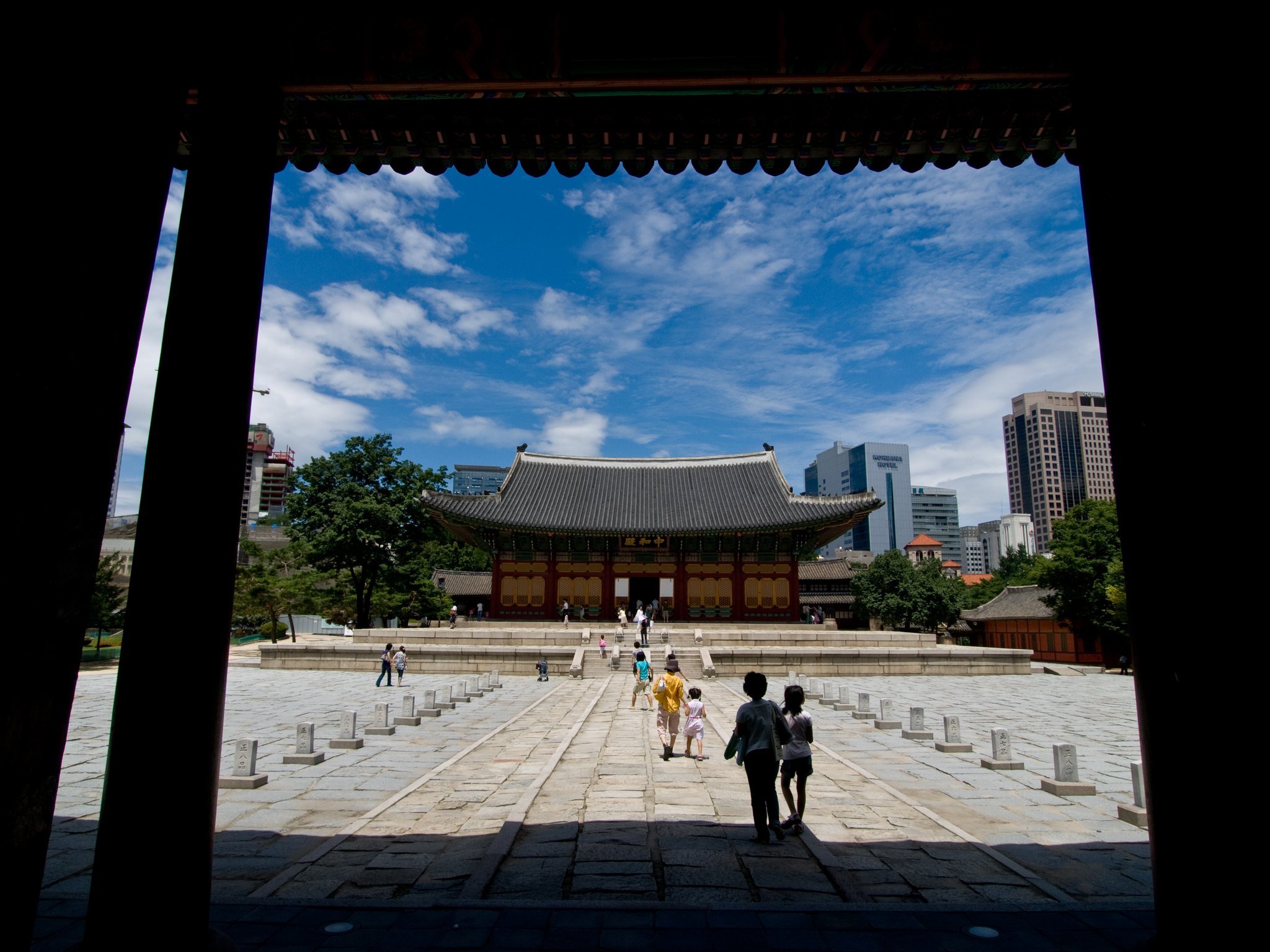 DeoksugungWhere Joseon met the twentieth century
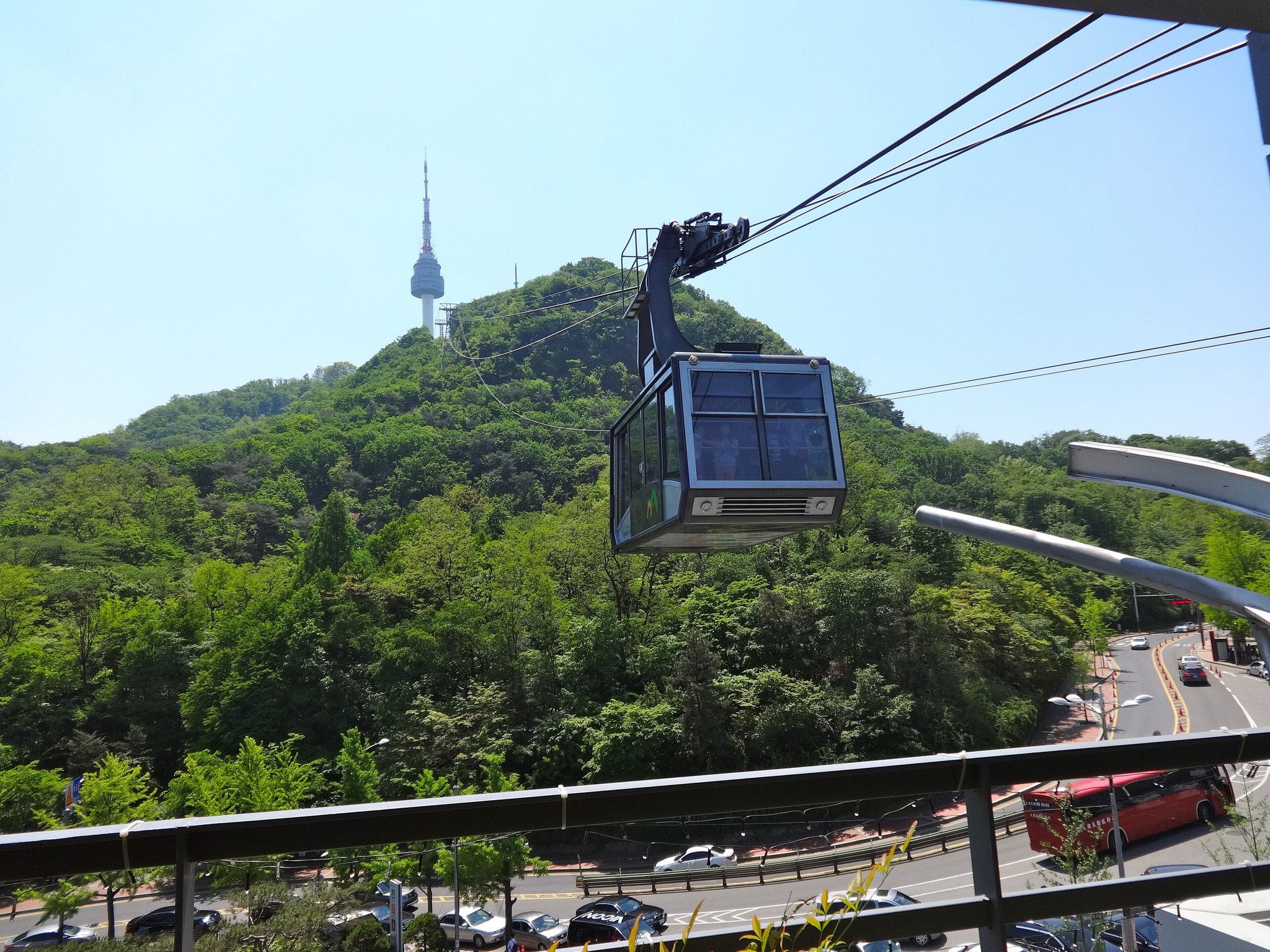 Namsan & N Seoul TowerMountain free · tower ticketed
Photographs from Wikimedia Commons; each sight page carries its own photographer, licence and link.
All sixteen, with the argument →
How long have you got?
Each plan is built around the palace closing days and the last train home, not around a wish list.
Korean admissions, palace opening hours and the electronic entry authorisation for visitors have all changed more than once in recent years, and the two big lunar holidays move every year. Nothing here quotes a current price for that reason: we describe how a charge or a rule works and send you to the operator for the number. If we have described a mechanism wrongly — which closing day, what a ticket covers, what has to be booked ahead — that is worth telling us about.
Everything here was checked on 5 September 2026. Closing days, ticket structures, booking requirements and holiday dates all change — confirm before you travel.