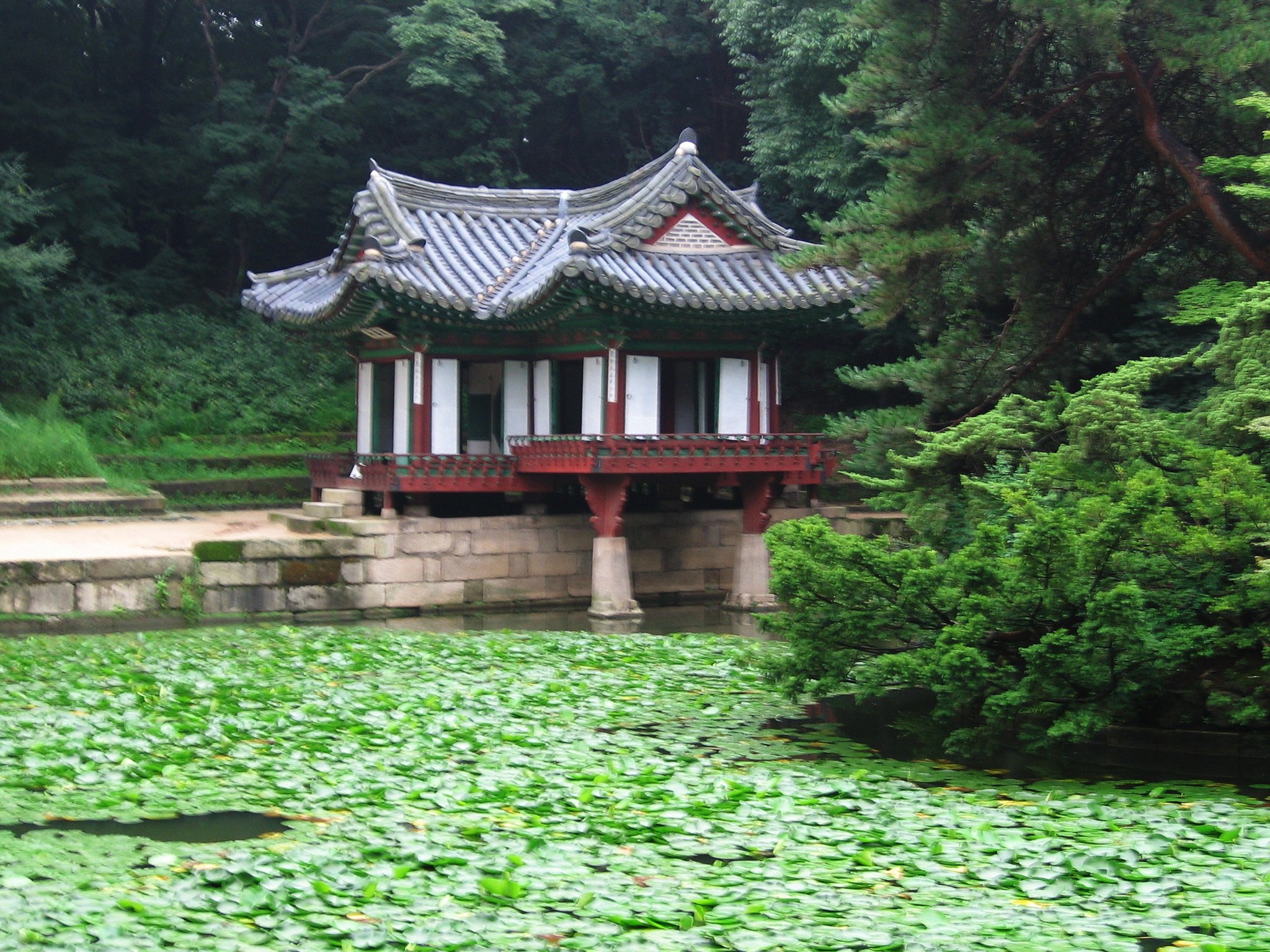

The second palace, built in 1405 as a secondary residence, and the one the kings actually lived in for most of the dynasty — Gyeongbokgung was the formal address, this was the home. It is the only one of the five on the UNESCO list, and the reason is the thing most visitors skip.
Where Gyeongbokgung is laid out on a grid, Changdeokgung is laid along the contours. The buildings follow the hillside instead of flattening it, which makes it a far less imposing palace and a much better place to be.
What it costs
Admission to the palace is modest. The Huwon garden behind it is a separate ticket and a separate, timed, guided walk — you cannot wander into it, the numbers per slot are capped, and in spring and autumn the English slots go days ahead. Book it before you come or accept that you may only see the palace.
The integrated palace ticket includes the Huwon, which is the main argument for buying it.
⭐ Wearing hanbok gets you in free. This is a standing policy at all five palaces and at Jongmyo, not a promotion — rent an outfit from one of the shops clustered around Gyeongbokgung and Bukchon, wear it, and walk past the ticket window. It is why the courtyards are full of people in Joseon dress who are plainly not Korean, and it is worth doing on the day you plan to see more than one palace.
When to go
⚠️ The closing day is not the same at every palace. Gyeongbokgung closes on Tuesday. Changdeokgung, Changgyeonggung, Deoksugung and Jongmyo close on Monday. Plan “palaces on Monday” and you lose four of the five.
Closed Monday. The Huwon tours run to a published timetable with separate Korean and English departures, and the last one is well before the palace itself closes.
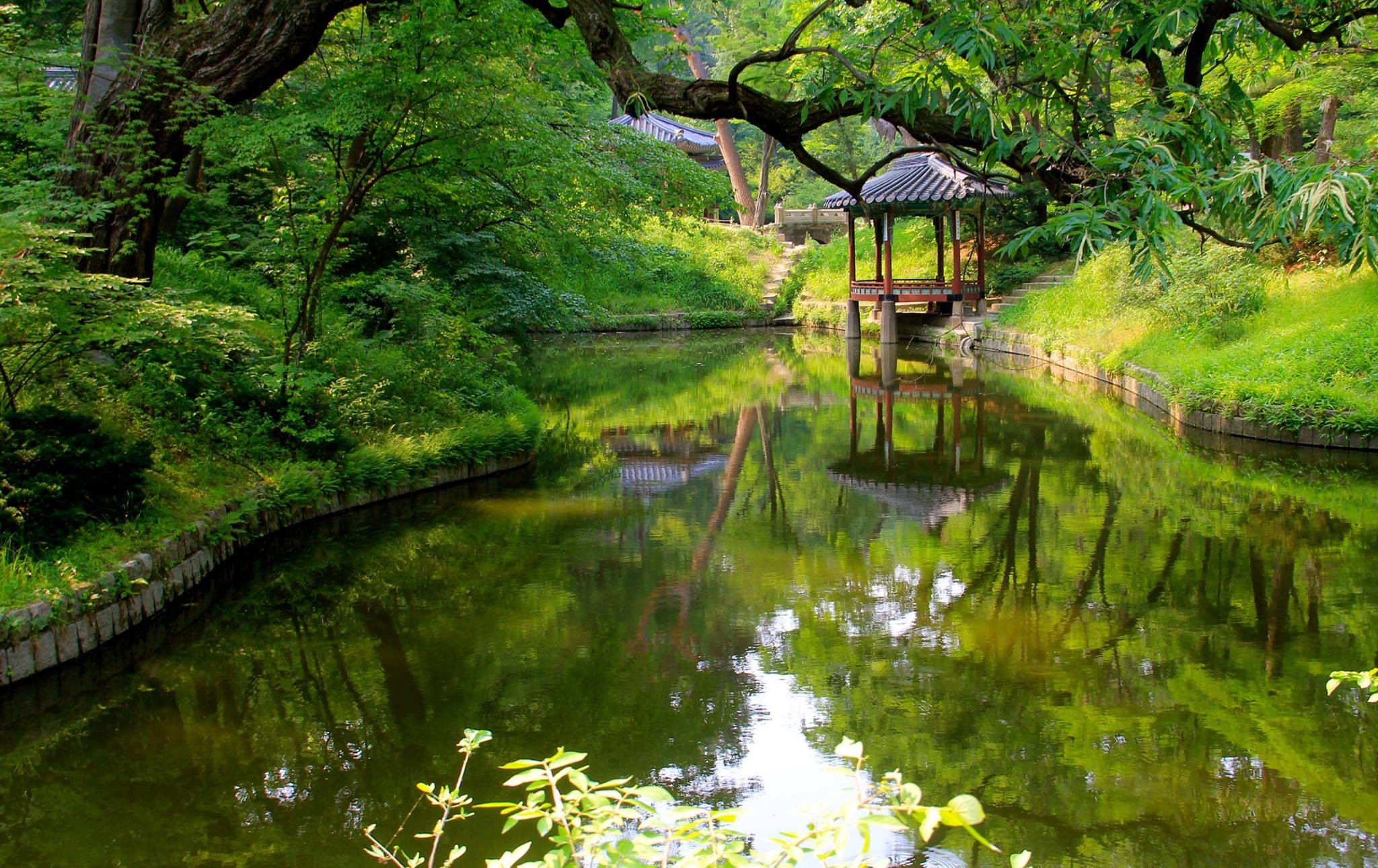
The garden is the reason to time a visit to a season: late April into May for the blossom, and the last two weeks of October into early November for the maples, when it is also hardest to get a slot.
-_%EC%B0%BD%EB%8D%95%EA%B6%81%EA%B3%BC_%ED%9B%84%EC%9B%90.jpg)
Getting there
Anguk station on line 3, exit 3, and a short walk east. The palace shares a wall with Changgyeonggung, and there is a connecting gate between them, so the two can be done as one visit with one walk.

If you only have an hour
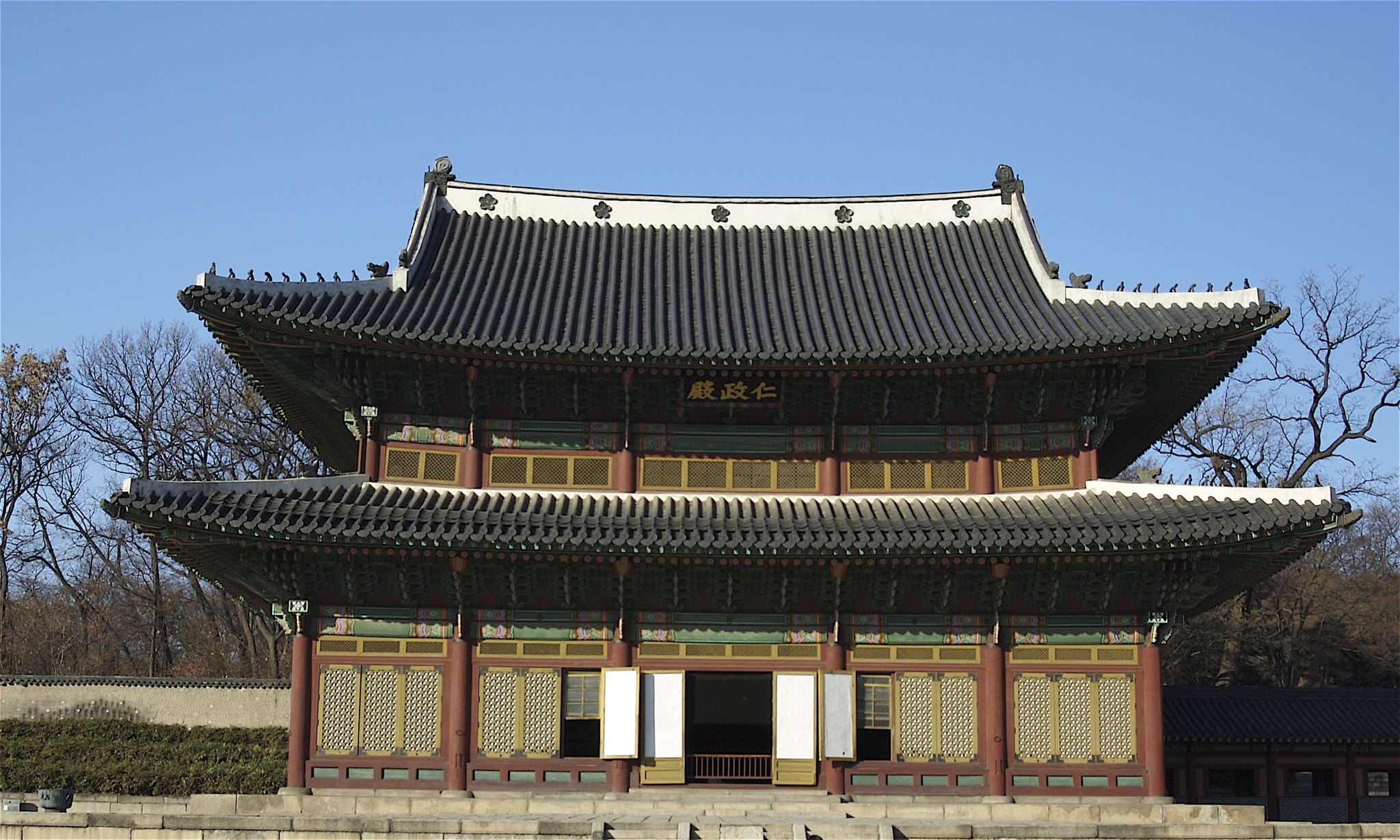
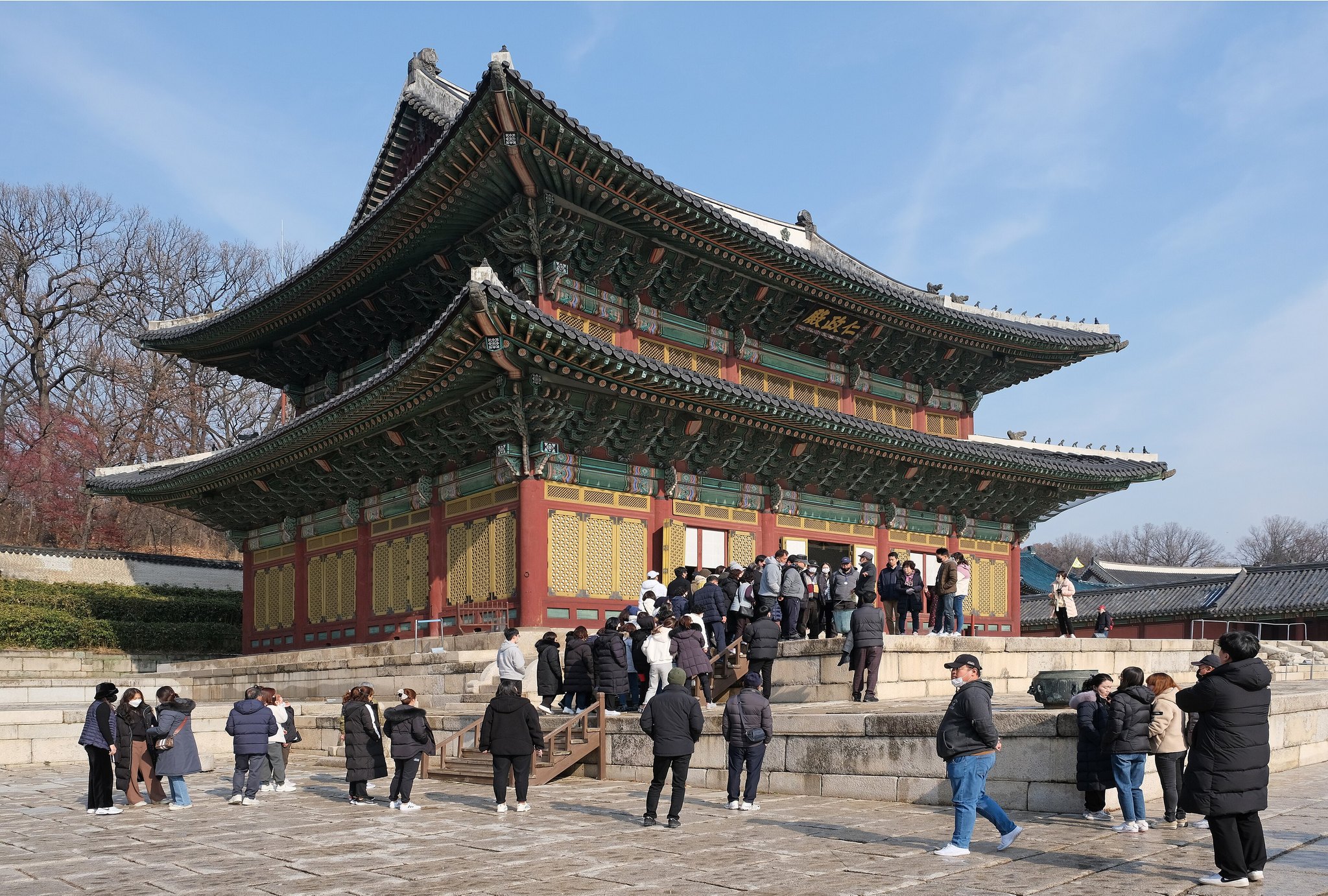
Injeongjeon, the throne hall, then the private quarters at Huijeongdang and Daejojeon, where the interiors were rebuilt in the 1920s and have parquet and electric light sitting inside Joseon carpentry.
Then the Huwon, if you have the ticket: forty-five minutes on foot round a wooded valley of ponds and small pavilions, of which Buyongjeong over its square lotus pond is the one you will remember. It was a private garden for four hundred years and it still feels like somewhere you have been let into rather than somewhere you bought into.
What people get wrong
Turning up expecting to see the Secret Garden. It is the separate ticket, it is timed, and it sells out — this is the single commonest wasted journey in Seoul.
And treating it as Gyeongbokgung’s smaller sibling. It is the better building.

Nearby
Ticketing arrangements, closing days and boat timetables as published and checked on 5 September 2026. These change without much warning — confirm with the place itself before you travel. More sights, and how they fit together, in Landmarks & Sights.