Day Trips
근교 · GEUNGYO
Day trips from Seoul: the DMZ, which must be booked and needs a passport, Suwon's fortress wall, Nami Island and Incheon.
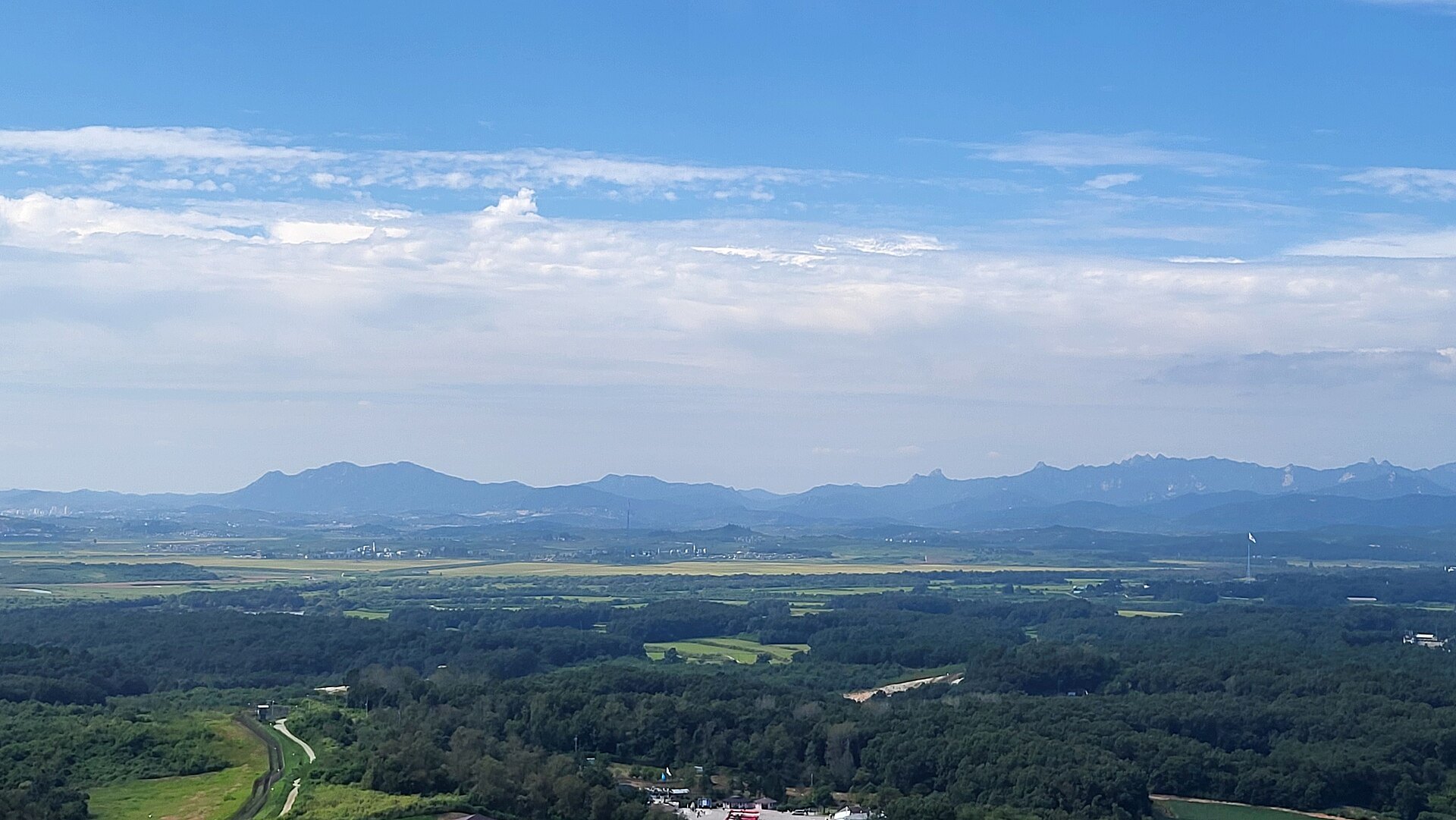

What is actually worth leaving the city for
The DMZ
The demilitarised zone is about an hour north and it is the day trip most people want. ⚠️ It cannot be done independently. Access is controlled, it must be booked through an authorised tour, and you need your passport — not a copy. Tours book out, there is usually a minimum notice period, and they are cancelled at short notice when the political situation requires it, which happens.
What a standard tour reaches is the observatory, a tunnel dug under the line, and Imjingak. Access to the Joint Security Area at Panmunjom, where the two sides face each other across the line, is separately controlled and has been suspended for extended periods. Confirm what your specific tour includes before booking, because "DMZ tour" covers several quite different itineraries.
Suwon
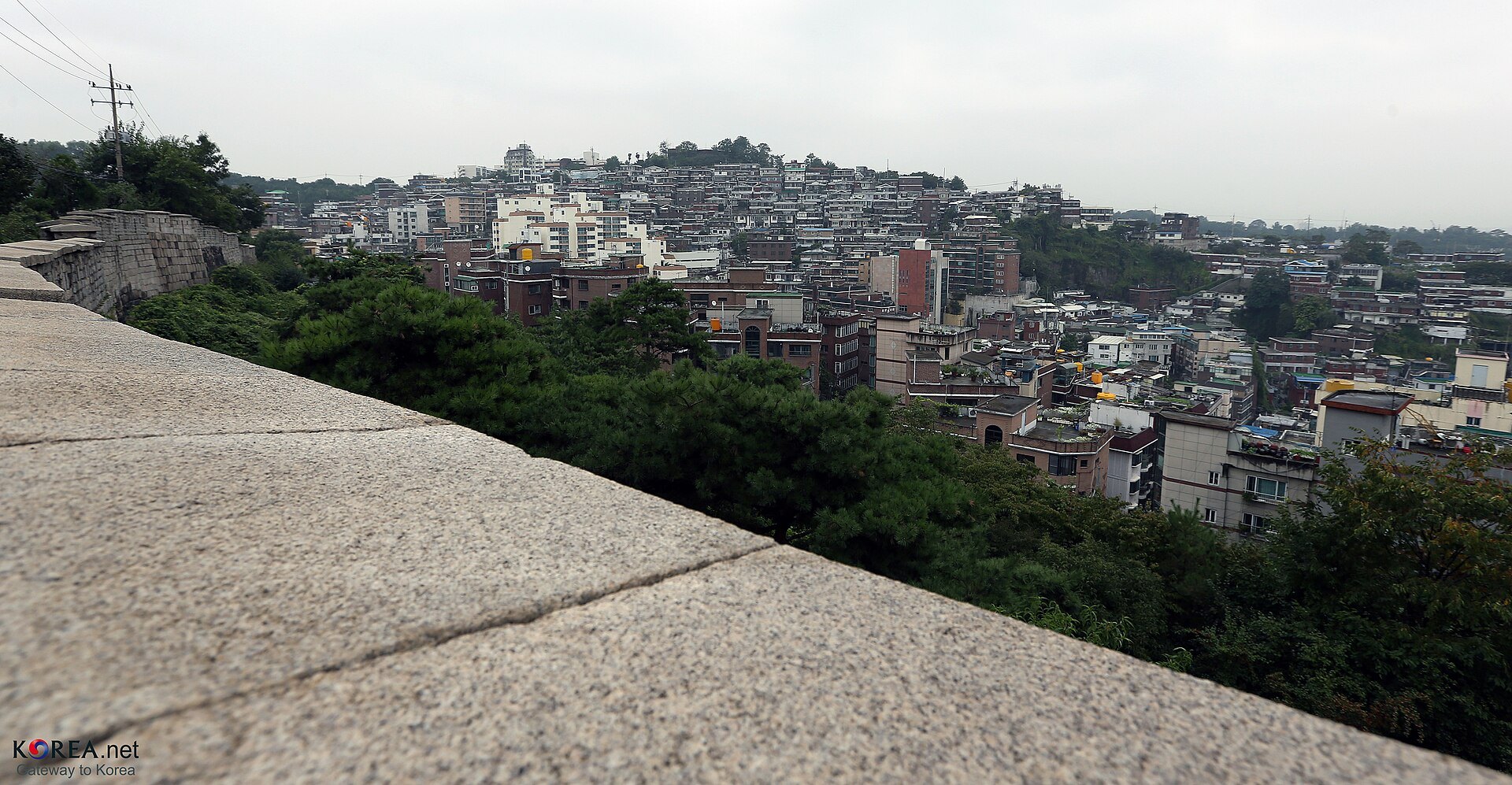
Forty minutes south on line 1, and the easiest real day trip. Hwaseong is a late-eighteenth-century fortress with nearly six kilometres of wall, gates and command posts, built by a king for a capital he intended to move and never did. You can walk the whole circuit. It is a UNESCO site, it is free to walk the wall itself, and it is far less visited than anything in Seoul.
Nami Island
A small wooded island in a river northeast of the city, reached by ferry, famous across Asia as a filming location and planted with the avenues of trees that made it famous. Getting there is a train plus a shuttle plus a boat, so it eats a day, and it is beautiful in autumn and crowded at weekends.
Incheon
An hour west on line 1. The Chinatown is the oldest in Korea, the open port district around it has the surviving nineteenth-century foreign concession buildings, and it is a short hop further to the west-coast ferry islands.
Everland and the folk village
South in Yongin: Korea's largest theme park, and separately the Korean Folk Village, a large built reconstruction of traditional rural life. ⚠️ The folk village is a constructed attraction rather than a surviving settlement — worth knowing before you choose it over Bukchon, which is a real neighbourhood, or Suwon, which is a real fortress.
⚠️ Two things that apply to all of them
Nothing here needs a car; all of it is reachable on the train, the subway or a booked coach. And all of it is affected by Seollal and Chuseok, when intercity transport fills up months ahead and many attractions close.
.jpg)
.jpg)

This section is being written. The guide above is the section for now. New guides go up three times a week, on Monday, Wednesday and Friday, so this page grows steadily — it is worth looking in again. In the meantime the sixteen sight pages and the plans by trip length are finished, and they are the best place to start.
Coming next in this section
- Suwon's Hwaseong Fortress: Forty Minutes on Line 1
- ⚠️ Booking a DMZ Tour: Passport, Notice and What Is Actually Included
- Incheon's Chinatown and the Open Port District
- Nami Island, and Whether It Is Worth the Day