Markets & Shopping
시장 · SIJANG
Gwangjang for food, Namdaemun through the night, Dongdaemun until dawn — and kilometres of underground arcade between the stations.
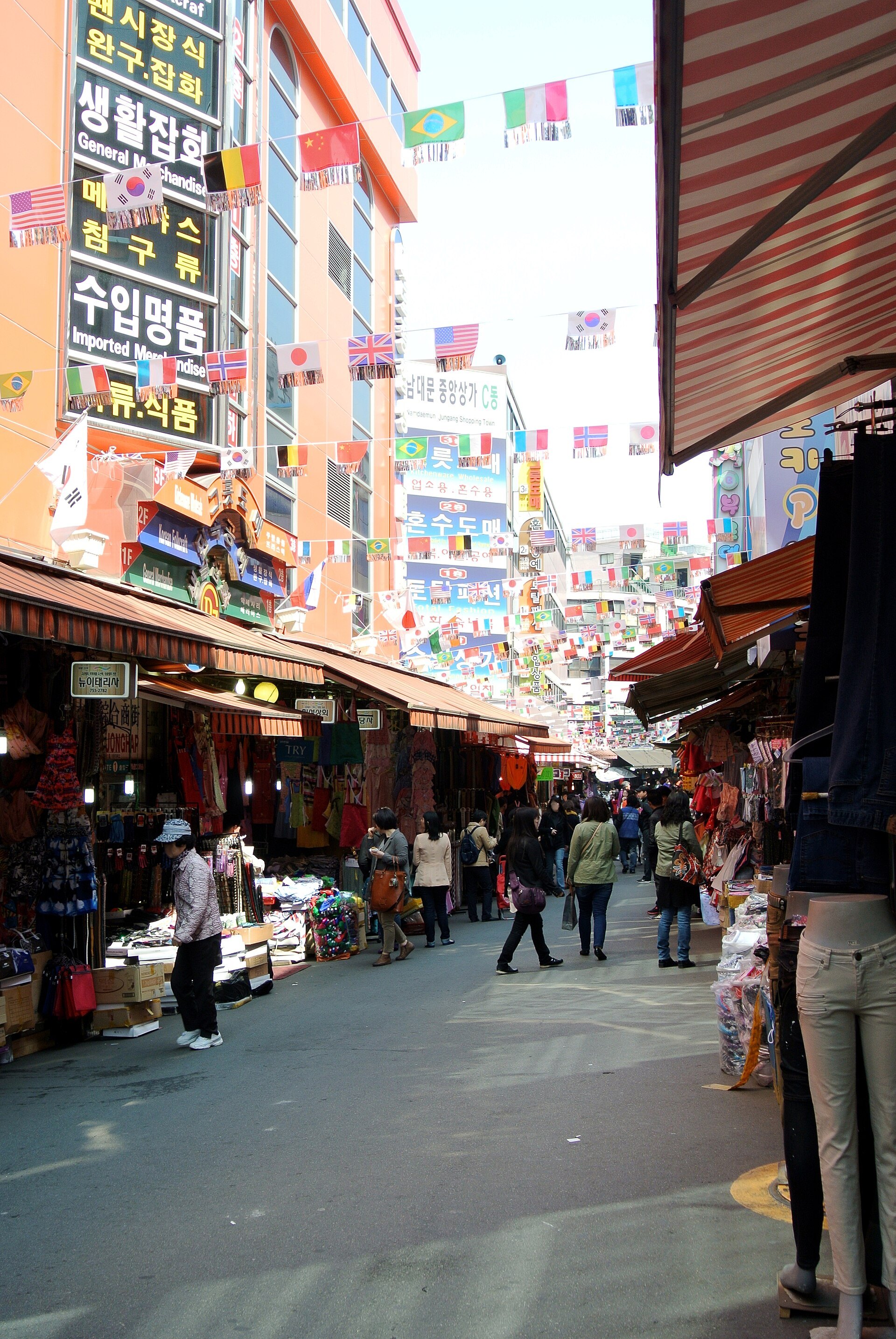

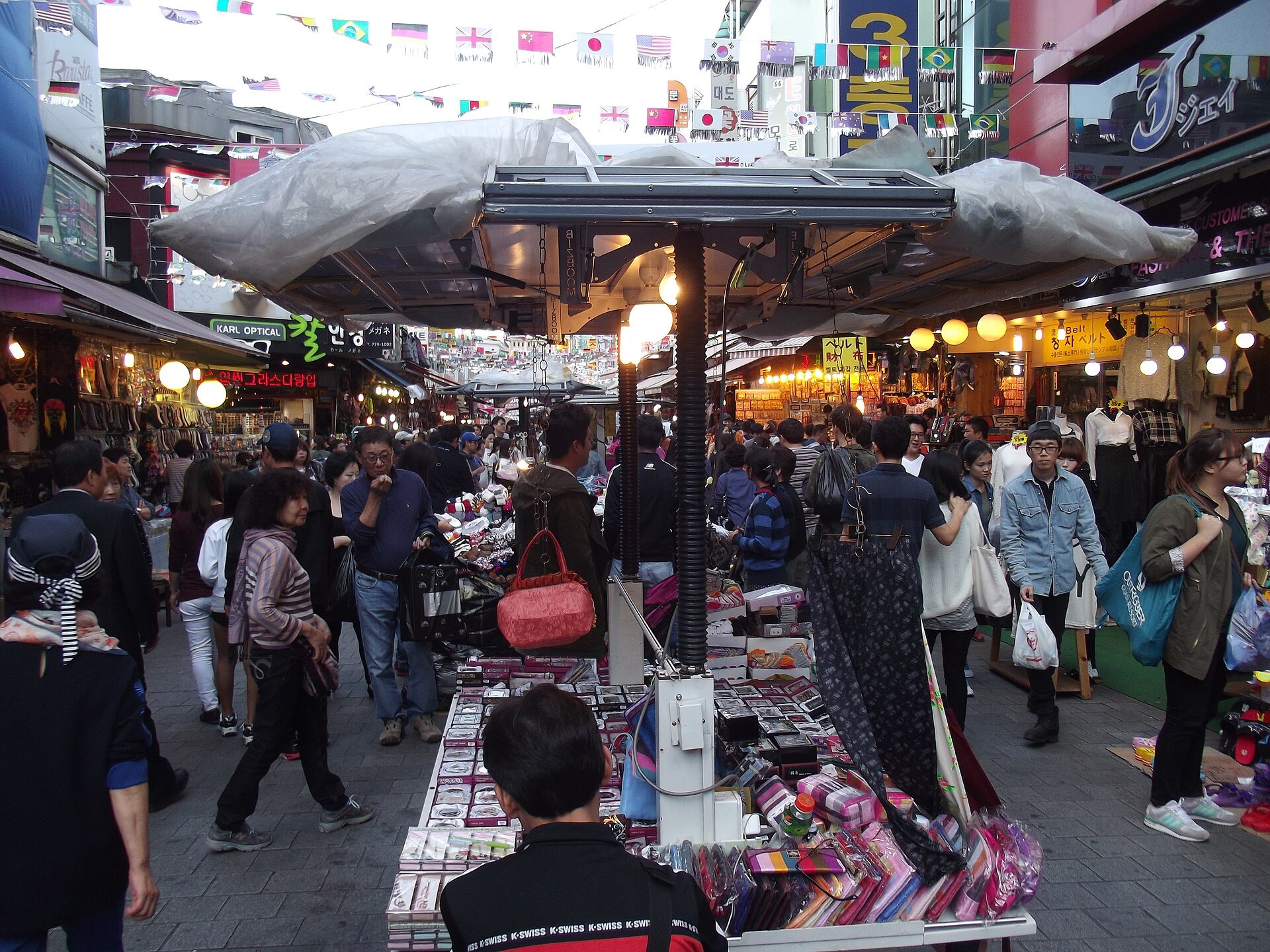

The markets are the best value in the city and two of them never really close
Seoul's traditional markets are not a heritage attraction that survives on visitors. They are working wholesale and retail businesses that happen to be centuries old, and the difference shows in the prices.
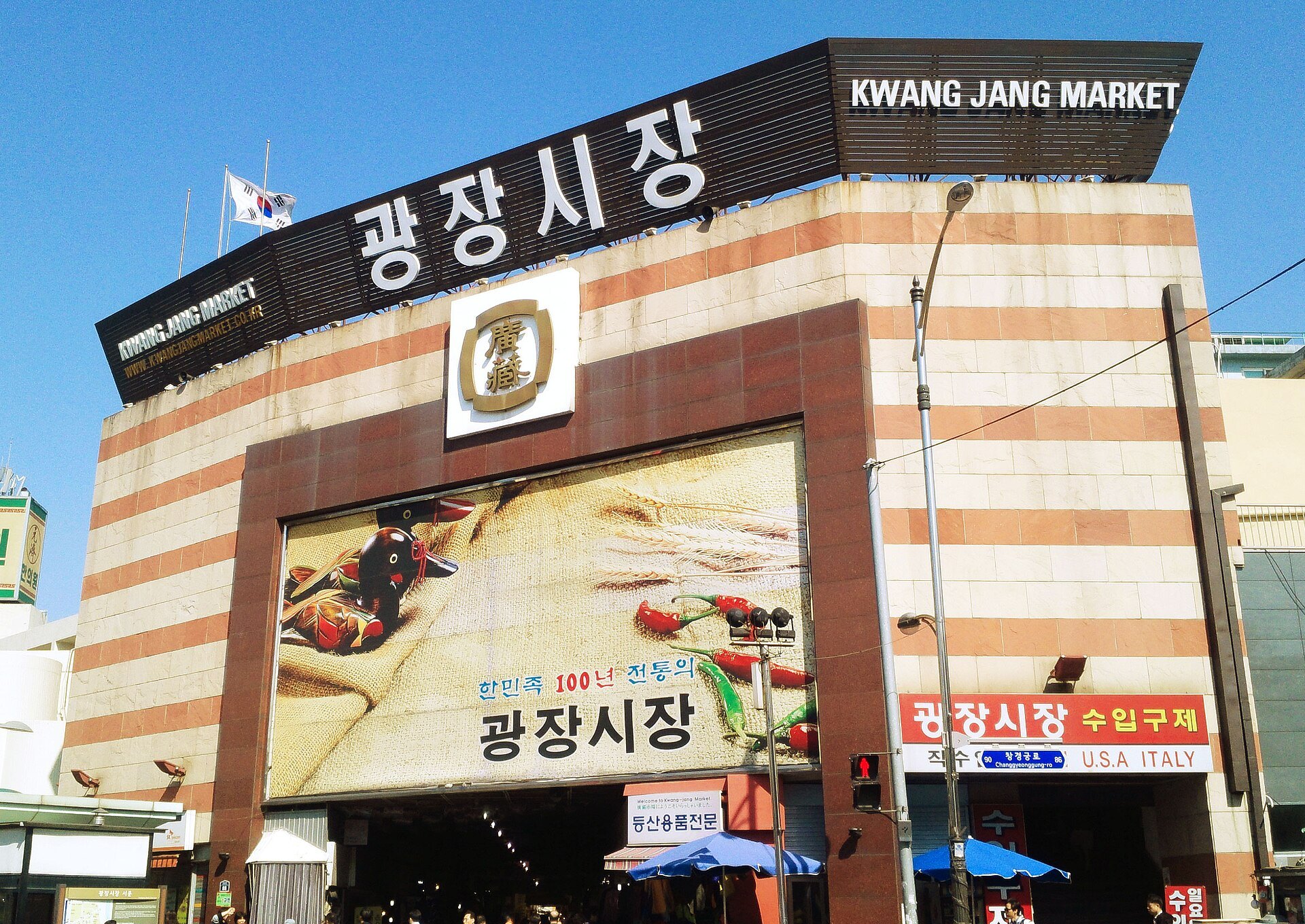
- Gwangjang — the oldest, from 1905, and now essentially a food hall. Fabric and hanbok upstairs, several hundred cooking stalls downstairs.
- Namdaemun — the biggest in Korea, trading since 1414, organised into whole alleys of one product. Retail by day, wholesale through the night.
- Dongdaemun — fashion, in a cluster of high-rise wholesale malls that open in the evening and trade until dawn.

⭐ The city's second layer is underground
Seoul has kilometres of underground shopping arcade connecting subway stations — Euljiro, Myeongdong, Gangnam, Jamsil and the enormous one under the Express Bus Terminal. They are heated in winter, air-conditioned in August, and they are how locals move between stations in bad weather. Very few visitors ever deliberately walk one.

Where things actually are
Myeongdong is cosmetics and street food, heavily geared to visitors, and busiest in the evening. Hongdae is young, cheap and loud. Garosu-gil and Apgujeong in Gangnam are the expensive end. Insadong is crafts, paper and tea. Ikseon-dong and Seongsu are where the independent shops moved to.
Two practical things
Tax refund. Above a minimum spend, visitors can reclaim VAT on purchases from participating shops. Some deduct it immediately at the till; others issue a form to process at the airport. Keep your passport with you when shopping — you cannot do it retrospectively.
⚠️ Cards work almost everywhere, including on stalls. Korea is close to cashless. Small market stalls remain the one place where cash is faster, and some of the oldest ones are cash-only.
This section is being written. The guide above is the section for now. New guides go up three times a week, on Monday, Wednesday and Friday, so this page grows steadily — it is worth looking in again. In the meantime the sixteen sight pages and the plans by trip length are finished, and they are the best place to start.
Coming next in this section
- Gwangjang Market: What to Order and Where to Sit
- Namdaemun Market at Three in the Morning
- Seoul's Underground Shopping Arcades, the City's Second Layer
- Tax-Free Shopping in Seoul: the Refund, and the Passport Rule