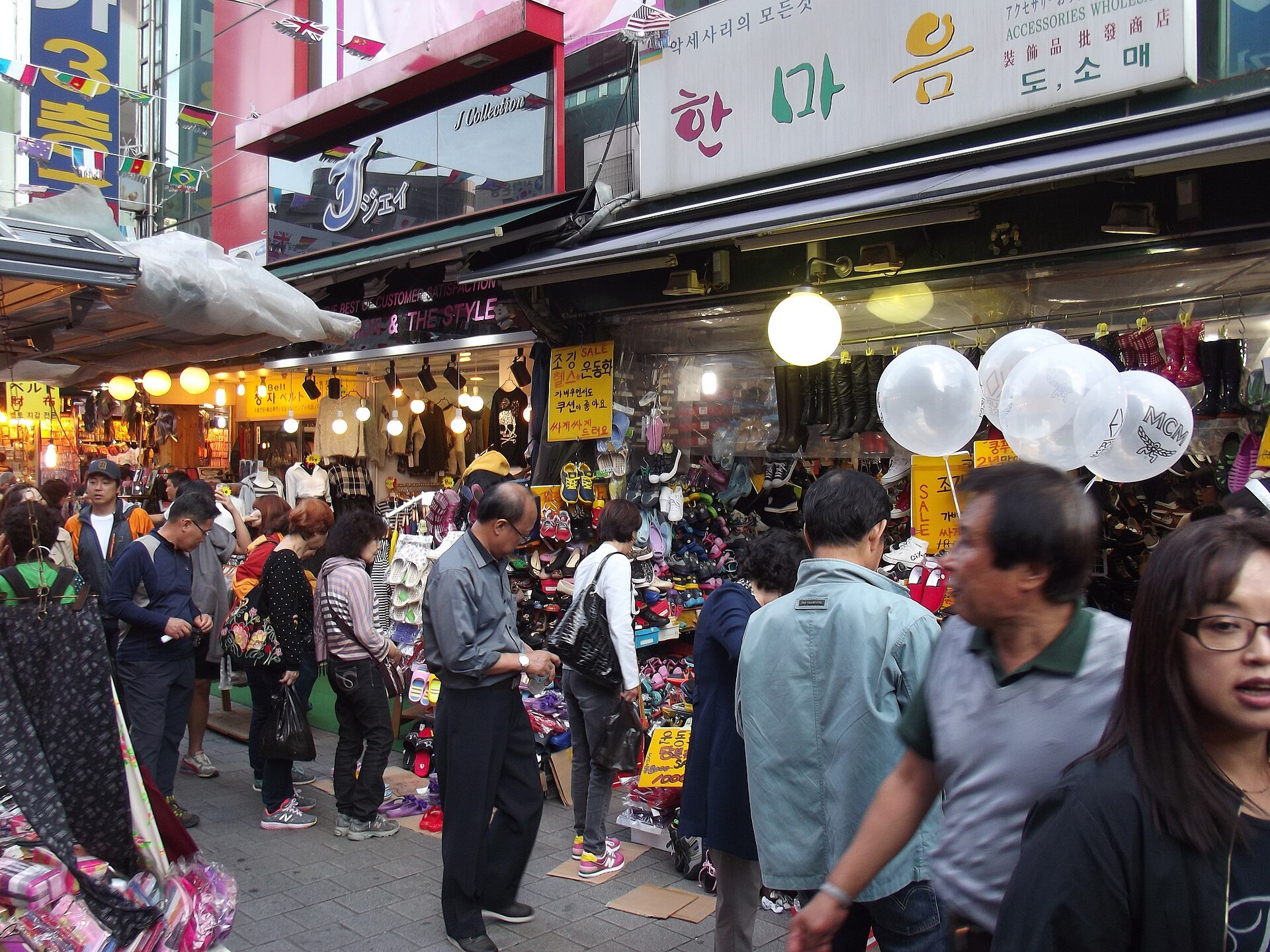

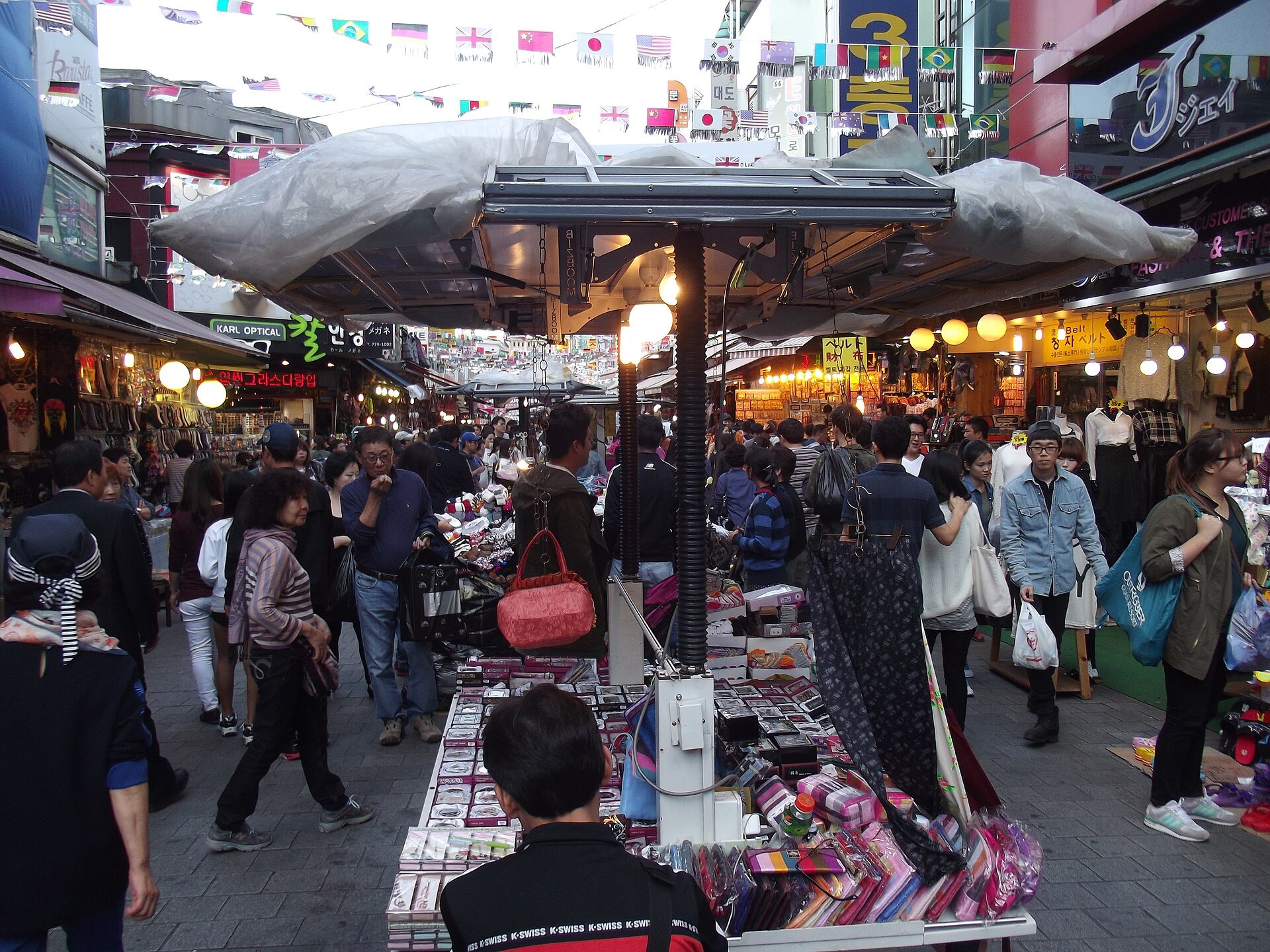
The largest traditional market in Korea, several thousand stalls deep, wholesale as much as retail, and organised into whole streets of one thing — an alley of glasses, an alley of children’s clothes, an alley of kitchen equipment. It has been trading on this site since 1414.
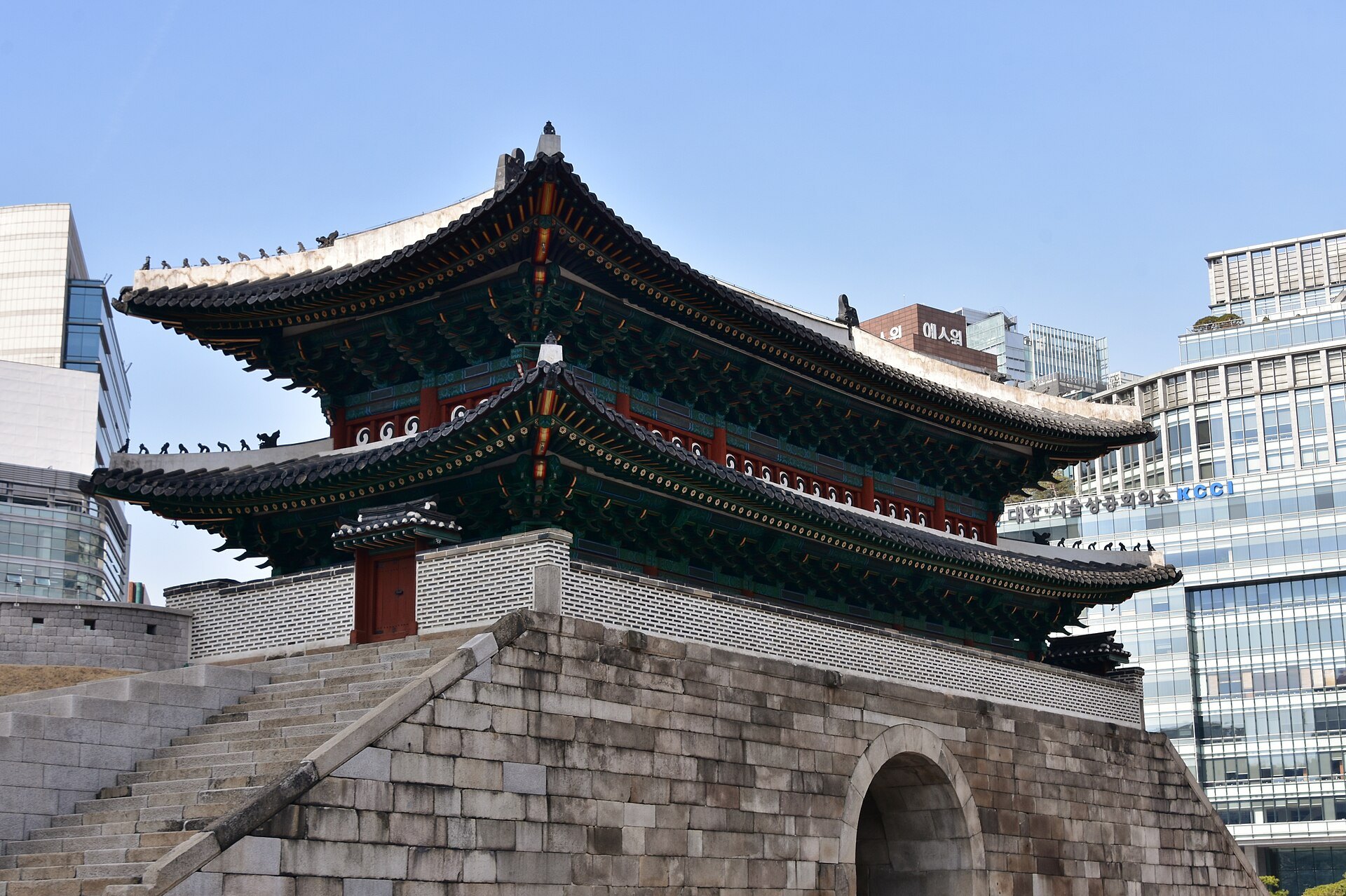
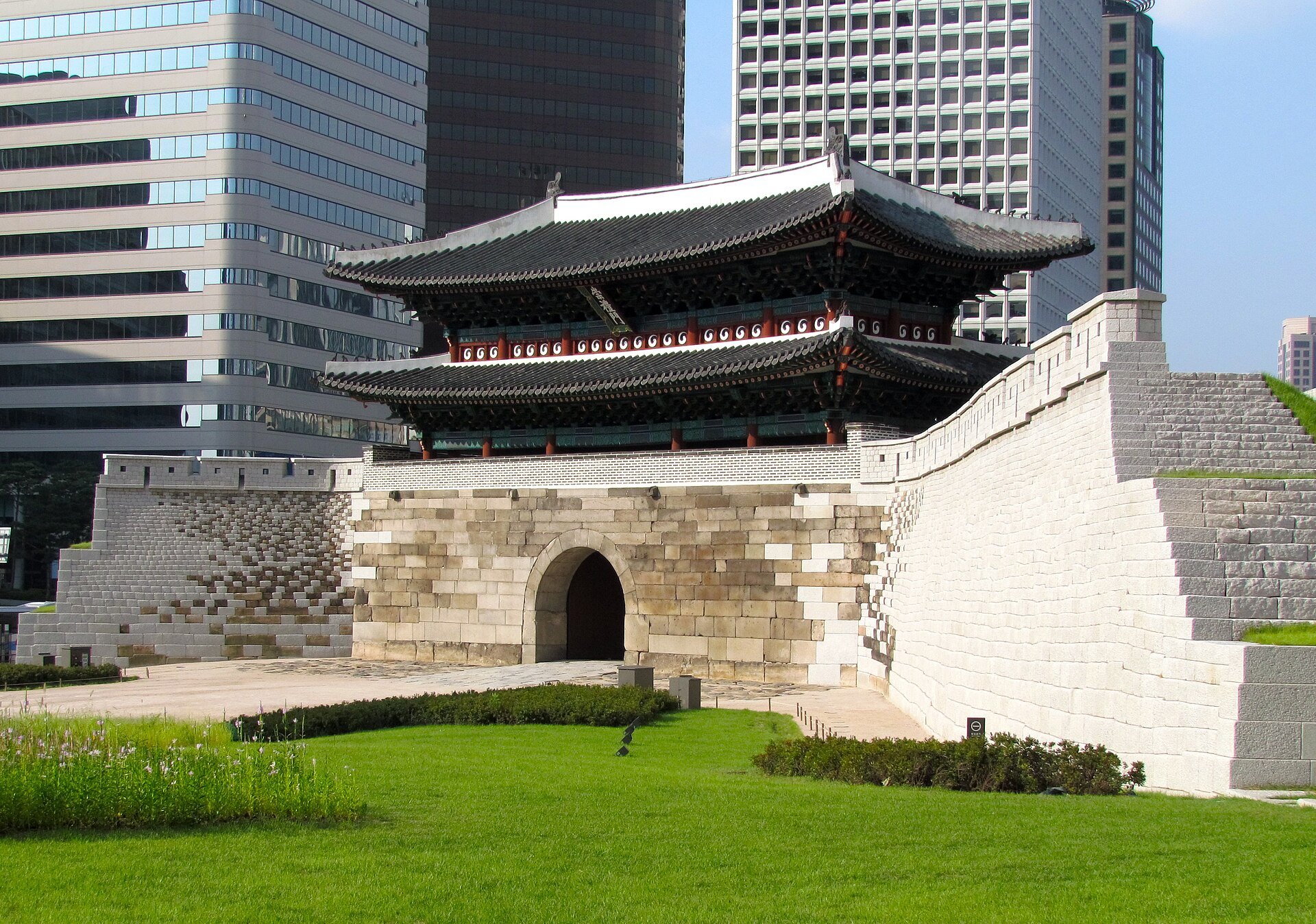
At its western end stands Sungnyemun, the great south gate of the old city wall and Korea’s National Treasure No. 1. ⚠️ In February 2008 an arsonist burned the wooden upper storey to the ground. What stands now was rebuilt with traditional tools and reopened in 2013 — the stone base is original, everything above it is thirteen years old.
What it costs
⭐ Free. The market is streets; Sungnyemun’s grounds are open and free to walk into.
When to go
The market has two entirely different lives. Retail runs through the day. Wholesale runs through the night, roughly from around midnight until dawn, when shop owners from the whole country come to buy — if you are awake at three in the morning this is the most interesting place in Seoul.
Many wholesale sections take Sunday off.
_(27260056438).jpg)
Getting there
Hoehyeon station on line 4, exit 5, comes up inside the market. Seoul Station and City Hall are both a short walk.

If you only have an hour
In at Hoehyeon and let yourself get lost — the market is a grid but a dense one. Eat in Kalguksu Alley, a row of knife-cut noodle stalls where the portions come with as much extra as you can eat.
Then out to Sungnyemun, which sits on its own island of grass with eight lanes of traffic round it and the financial district behind, and is the single best image of what this city does with its old things.
What people get wrong
Coming for souvenirs. It is a working wholesale market and the pleasure is in the volume, not the shopping.

Nearby
Ticketing arrangements, closing days and boat timetables as published and checked on 5 September 2026. These change without much warning — confirm with the place itself before you travel. More sights, and how they fit together, in Landmarks & Sights.