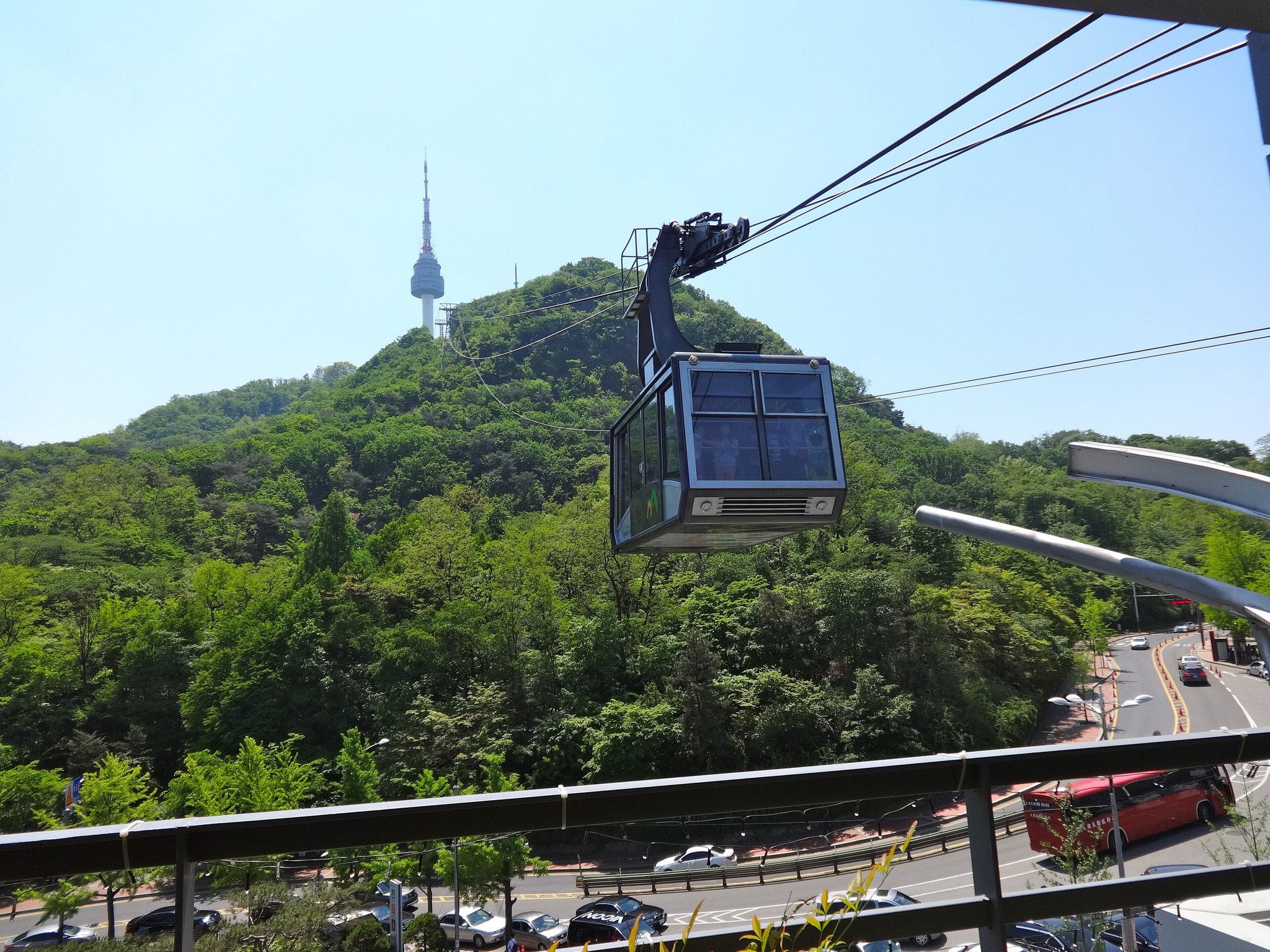

The wooded hill in the middle of the city with a broadcast tower on top, which since 1980 has been the thing you can see from everywhere and the place everyone goes to look back down. The mountain was one of the four guardian peaks the Joseon capital was sited between, and a stretch of the original city wall still runs over its shoulder.
What it costs
⭐ The mountain and the park are free, and so is the plaza at the base of the tower where most of the view actually is.
What is ticketed is the observation deck inside the tower, and separately the cable car up. You can pay for both, either, or neither — the walk up through the park takes half an hour to forty minutes and the free plaza at the top has the same panorama from about seventy metres lower.
When to go
The tower deck keeps long hours, later than almost anything else in the city.
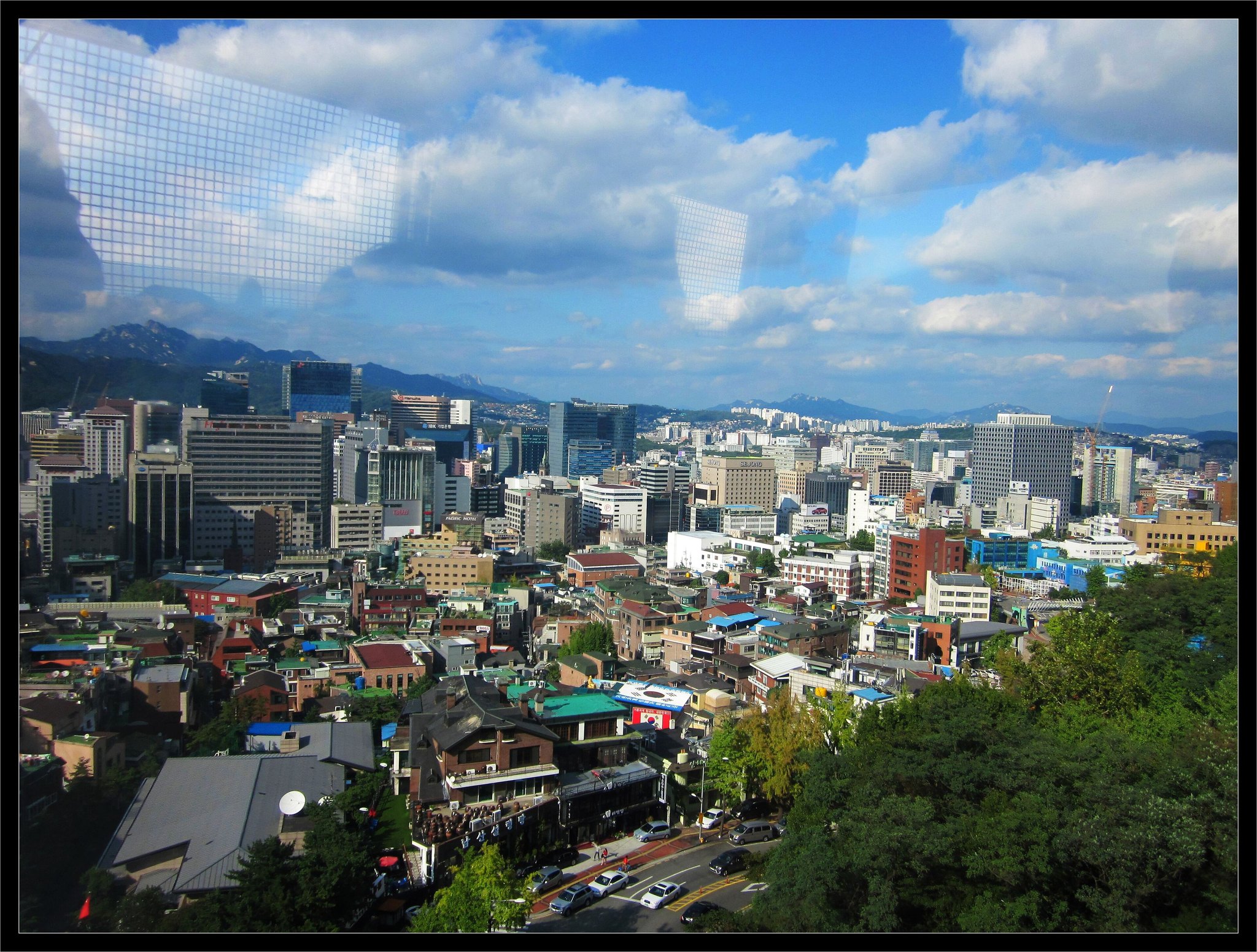
For daylight and a clear horizon, late morning after rain is the reliable answer — Seoul’s spring haze can flatten the view entirely, and the mountains that make the view worth having are the first thing to vanish.

Getting there
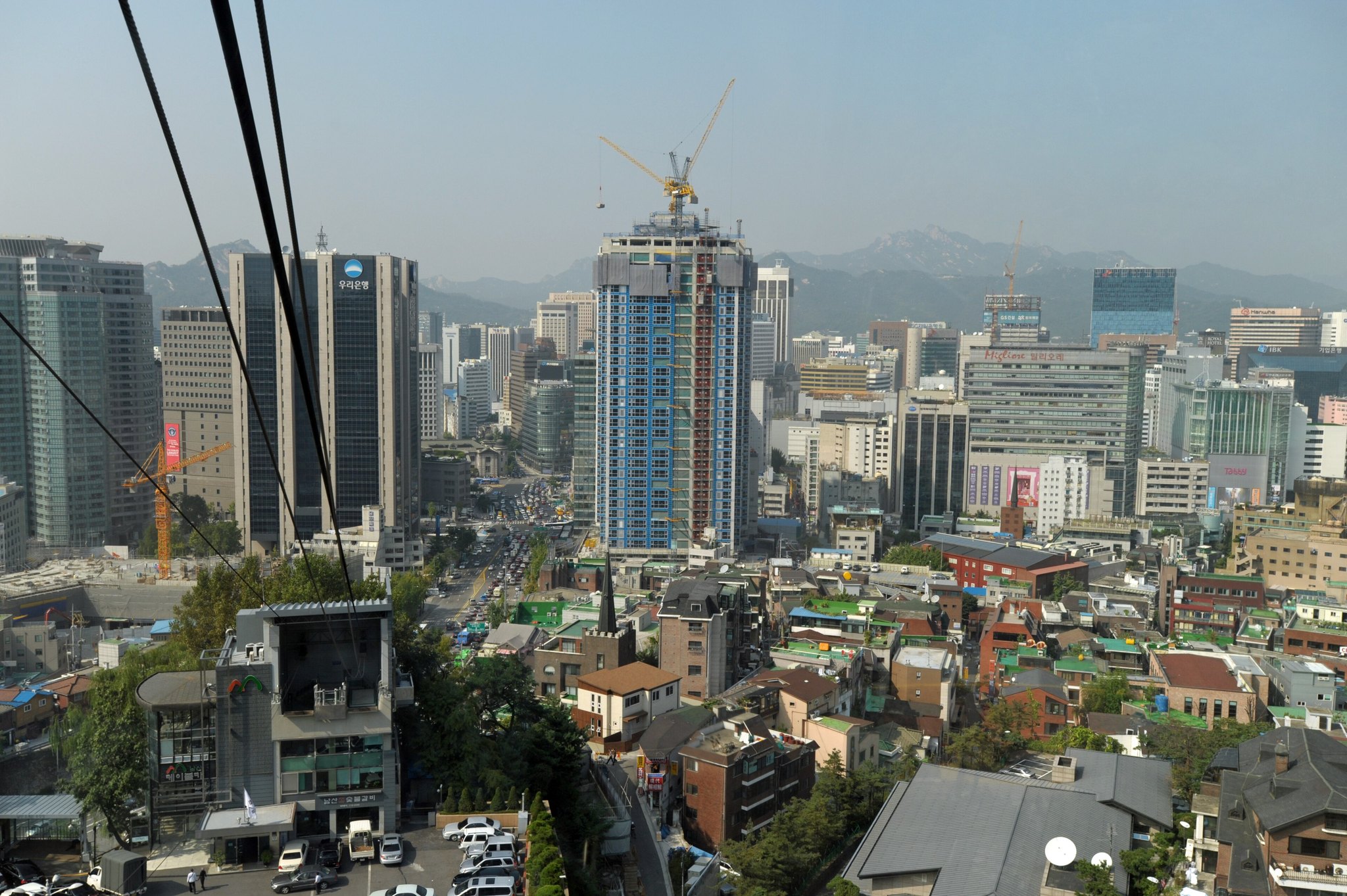
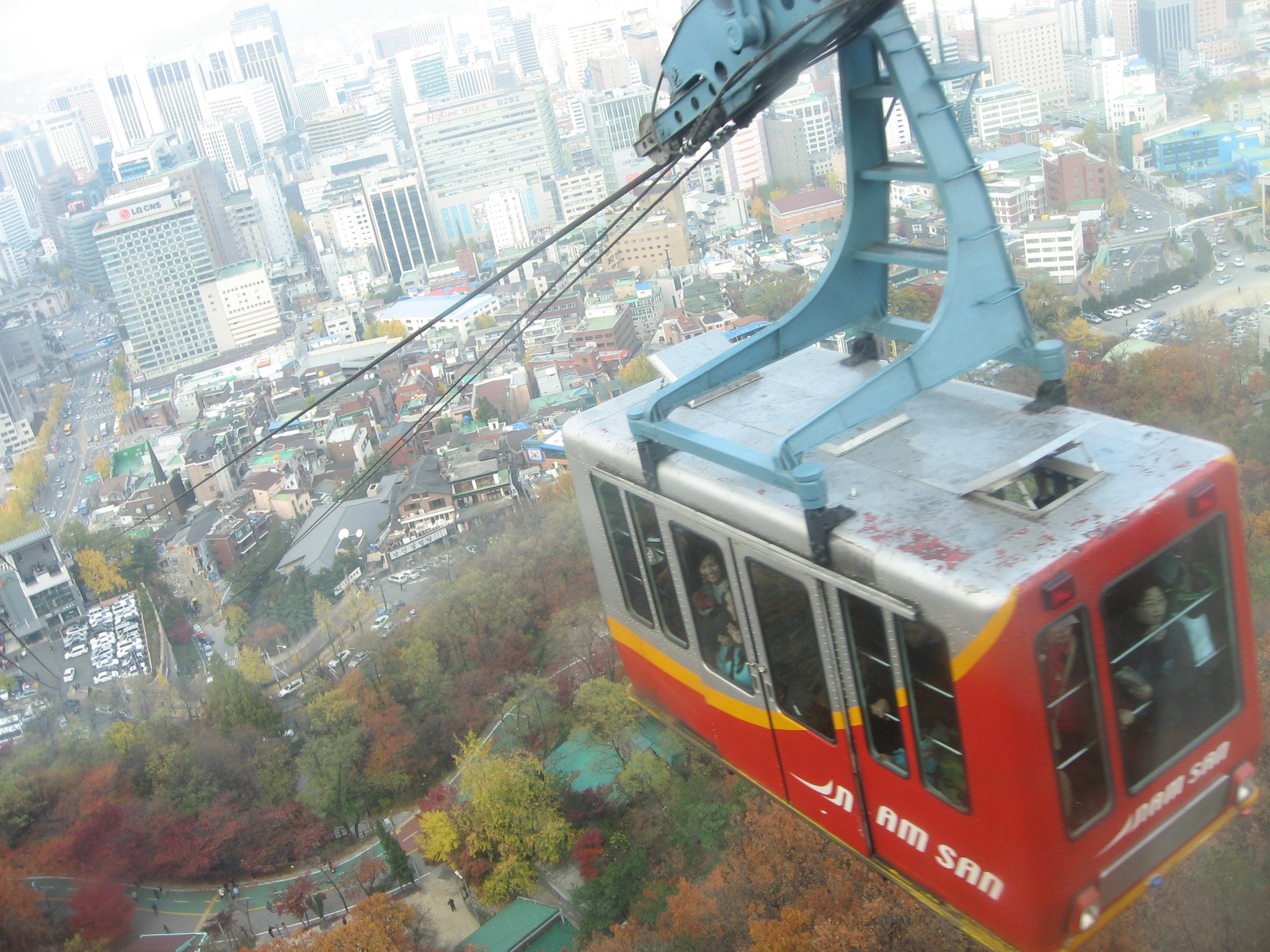
The cable car from near Myeongdong (Hoehyeon station, line 4) is the famous way and has its own queue. The Namsan shuttle buses run up from several points and take a T-money tap like any other bus, which is the cheapest and least advertised option. Or walk from Namsangol Hanok Village, or up the wall path from Dongguk University station.

If you only have an hour
Up by whichever means, then the plaza, the wall stretch and the Palgakjeong pavilion. Then walk down rather than riding — the north path comes out at Namsangol Hanok Village, which is free, is a collection of relocated genuine hanok, and is far quieter than Bukchon.
What people get wrong
Paying for the deck without checking the visibility. On a hazy day the free plaza and the paid deck show you the same grey.
The love padlocks are on the free terraces, if that is what you came for.
.jpg)
Nearby
Ticketing arrangements, closing days and boat timetables as published and checked on 5 September 2026. These change without much warning — confirm with the place itself before you travel. More sights, and how they fit together, in Landmarks & Sights.