Seoul’s Joseon-era city wall is split into six official walking courses, and the useful way to rank them is not by view but by who can actually walk each one. Baegaksan is the hardest and the most restricted: it requires ID at a checkpoint, closes Mondays, and shuts early in winter because it runs past the former presidential compound. Heunginjimun, at the other end, is flat, short and open with no checks at all.
What Hanyangdoseong actually is
Hanyangdoseong (한양도성) is the fortress wall built around the original Joseon capital in 1396, the first year of King Taejo’s reign. It once ran roughly 18.6 kilometres, linking four inner mountains — Baegaksan, Naksan, Namsan and Inwangsan — and passing through four main gates. Two of those gates survive as landmarks in their own right: Heunginjimun (흥인지문), the east gate near Dongdaemun, and Sungnyemun (숭례문), the south gate long known as Namdaemun.
The Seoul Metropolitan Government maintains the wall as a free, unguarded trail, divided into the six courses named above. There is no ticket booth and no single closing day for the wall as a whole. Only one section — Baegaksan — sits inside a controlled zone with its own hours. That gap fits a wider pattern in this city: the old structure itself costs nothing, and what gets ticketed is the modern addition built beside it, like the cable car running up Namsan to N Seoul Tower.
Matching a section to a constraint
Each course suits a different kind of visit. The table below works from five common constraints — time, fear of heights, children, sunset photography and step-free access — against what Seoul’s own trail literature says about each course’s terrain.
| Section | Terrain (per Seoul’s trail guide) | Best matched to | Watch for |
|---|---|---|---|
| Baegaksan | Steep ridge, narrow stairs | Readers with time, no mobility limits, wanting the highest viewpoint | ID checkpoint, closed Mondays, early winter cut-off |
| Inwangsan | Rocky, moderate climbs | Sunset photography — the ridge faces west over Gyeongbokgung | Exposed granite, not suited to vertigo |
| Namsan | Paved park paths, cable car option | Traveling with kids; partial step-free access via the cable car | Crowds near the tower base |
| Naksan | Low hill, gentle grade | Under two hours; mild on anyone wary of heights | Little shade, modest skyline views |
| Heunginjimun | Flat, urban | Under two hours; step-free; afraid of heights | Least scenic, closest to a subway exit |
| Sungnyemun | Short, flat, traffic-island setting | A quick stop, fully step-free | Road noise, limited walking distance |
Baegaksan: the one with rules
Baegaksan is the northern course, running along the ridge directly above the former presidential compound, Cheong Wa Dae. Because of that location, Seoul’s own trail notes set it apart from the other five courses in three specific ways. First, every visitor shows photo ID at a checkpoint before entering — a passport works for foreign visitors. Second, the course closes entirely on Mondays. Third, in winter it shuts to new entries by mid-afternoon, well before the other sections, because the surrounding area still falls under tighter security hours. None of this is published as a ticket price, since the walk itself is free; it is an access rule, and it is the one most likely to end a visitor’s day early if it is not checked beforehand on the Seoul Metropolitan Government’s Hanyangdoseong site.


The other five courses, briefly
Inwangsan sits west of Gyeongbokgung and includes long stretches of exposed granite, plus Guksadang, a shamanist shrine near the summit. The course is popular for its late-afternoon light over the old palace district, though the rock is uneven underfoot.
Namsan carries the wall up the mountain that holds N Seoul Tower. The tower and its cable car are separately operated and separately ticketed; the wall itself, and most of the park paths around it, are not. This is the clearest example on the whole route of the pattern noted above — a free ridge with a paid structure bolted onto its summit.
Naksan is the lowest of the four inner mountains and the shortest serious climb of the six. It runs near Daehangno and the hillside once known for its mural village, and it is often recommended as a first or last course for a visitor short on time.
Heunginjimun takes its name from the east gate it passes, which the Cultural Heritage Administration — renamed the Korea Heritage Service in 2024 — lists as Treasure No. 1. That numbering sat alongside Sungnyemun’s separate designation as National Treasure No. 1, until the agency dropped numbered rankings as an ordering system in 2021. Either way, this course is flat, urban and the fastest to reach by subway.
Sungnyemun, the south gate, now stands on a stone-paved traffic island rather than within a continuous wall run; most of the wall near it was cleared as the city grew around it. The gate itself was rebuilt after a 2008 arson fire and reopened in 2013, which is why its woodwork looks newer than its Joseon-era foundation.
Getting to the trailheads
None of the six courses require a transit card to be tapped, since the wall has no gate of its own, but reaching a trailhead does. Seoul’s subway and bus fares are distance-based and refund part of the cost on a transfer, a system explained in full in our guide to how T-money works, from topping up to tapping out. Several trailheads sit behind stations with multiple exits numbered for direction rather than destination, which is worth understanding before relying on a map app; see how Seoul’s subway exit numbers are ordered. Standard mapping apps also behave differently inside Korea, a quirk covered in what to use instead of Google Maps in Korea.
A Baegaksan walk pairs naturally with a palace visit, since the trailhead sits close to Gyeongbokgung. The palace closes on Tuesdays, not Mondays — the opposite day to the wall section beside it — a distinction set out in our full rundown of which Seoul palace closes on which day. Anyone combining the two in hanbok should also know that wearing it waives the palace entry fee entirely, a policy detailed in how free hanbok palace entry actually works.
If a sunset course on Inwangsan or Namsan runs late, the descent back to a subway line should allow for the last train, which varies by line and direction and is never a single fixed hour across the network; our guide to working out a real last-train cutoff covers how to check it station by station. Wider planning context, including how the lunar new year and Chuseok affect closures across the city, sits in our Planning & Practicalities archive, and trailhead access and fares for other city routes are gathered in Getting Around.

The practical shape of a visit
None of the six courses charge admission, and that is worth stating plainly rather than treating it as a footnote. The wall is Seoul’s largest free monument, open every day except for the Monday closure and winter cut-off on Baegaksan alone. Confirm Baegaksan’s current hours and checkpoint procedure directly with the Seoul Metropolitan Government before planning a day around it, since both have shifted before and will again. The UNESCO World Heritage Centre lists Hanyangdoseong on Korea’s tentative list rather than as an inscribed site, a status readers can check directly on the UNESCO World Heritage Centre‘s own listings. This site’s own approach to sourcing and correction is set out in how Access Seoul is written, checked and paid for, and what we collect from a visit to this page is covered in our privacy policy.
Access Seoul is an independent guide written from published, checkable sources. We have not visited the places described here and we do not publish personal recommendations or invented ‘local favorites’ — where something is singled out as notable, we say who says so. Opening times, fares, closures and prices change at short notice, so treat everything here as a starting point and confirm with the museum, operator or venue directly before building a day around it. We give no advice on visas, insurance, health or safety; use your own government’s official guidance for those.
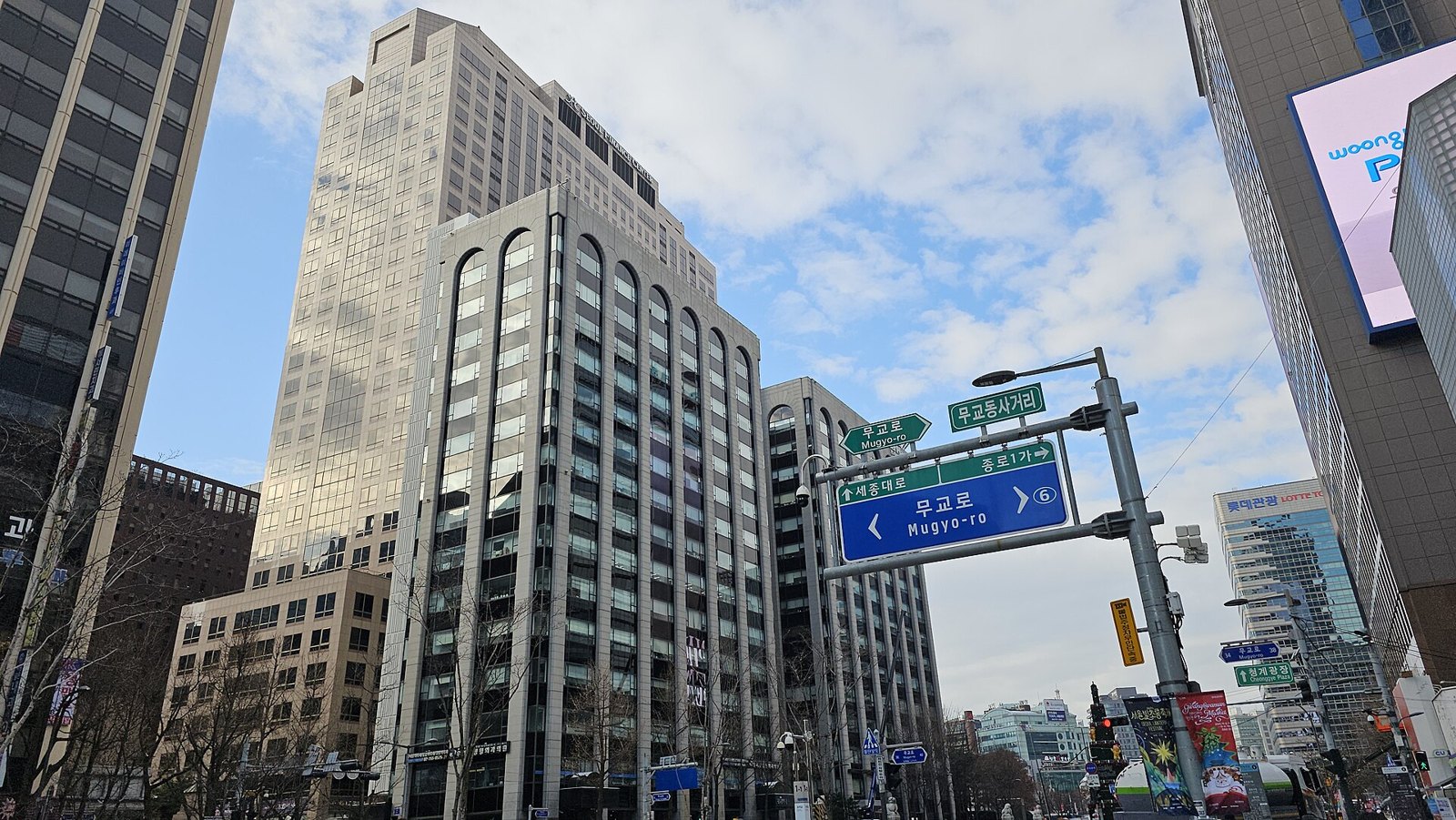
Featured image: Photo by TurnOnTheNight, source, CC BY-SA 4.0
