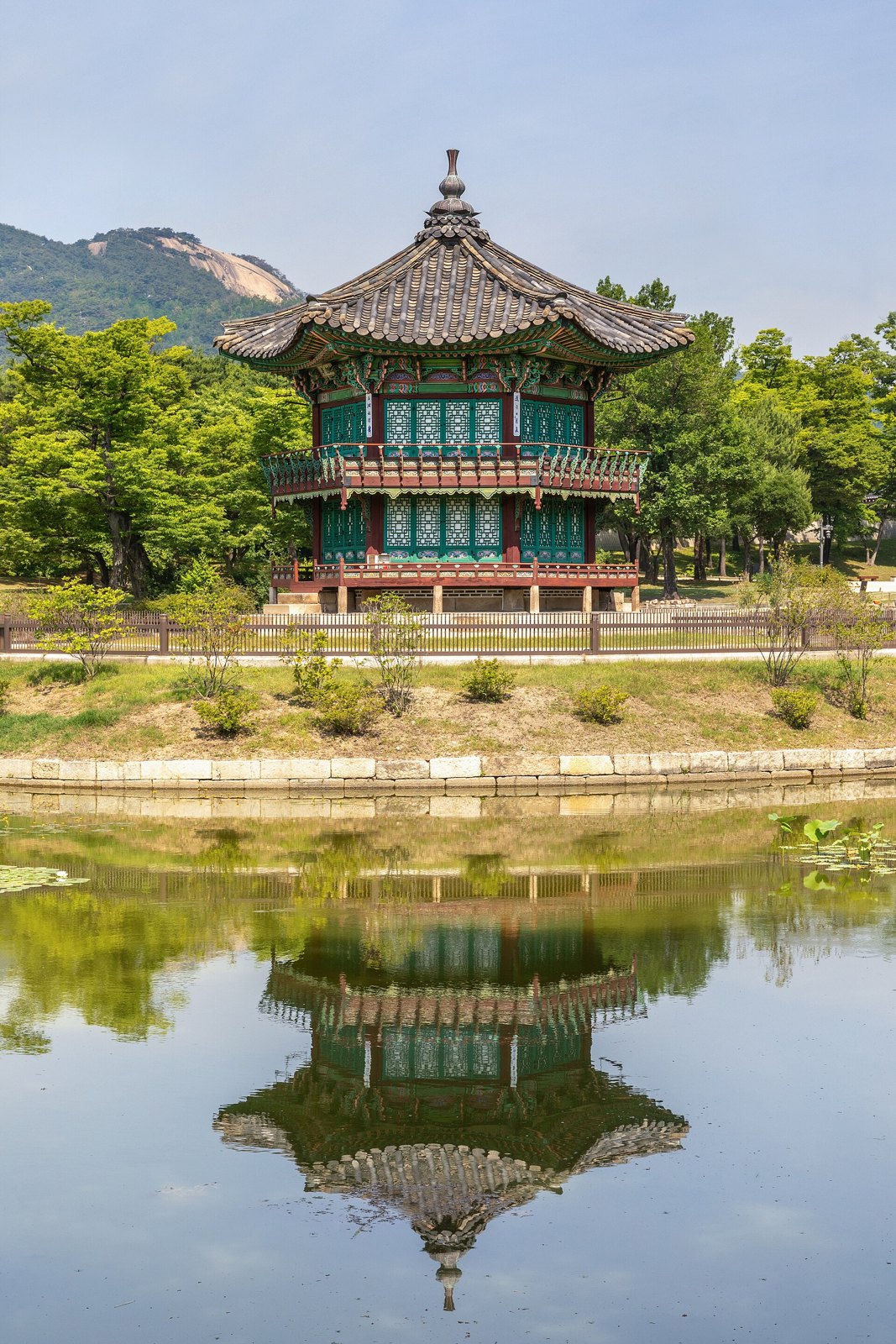
Jongmyo (종묘) is a royal ancestral shrine, not a palace, and Korea’s Cultural Heritage Administration manages it under stricter access rules than Gyeongbokgung or Changdeokgung. On most weekdays you can only enter as part of a timed, staff-led group walking a fixed route. On Saturdays, and on Culture Day, that rule lifts and you can walk the grounds on your own. Ceremony days and the Monday closure override both.
The reason given by the heritage authority is preservation, not crowd control for its own sake. Jongmyo holds the spirit tablets of Joseon kings and queens, and UNESCO’s World Heritage listing for the site covers both the buildings and the Confucian rite still performed there. A managed route limits footfall inside the ritual halls and keeps visitors on paths that don’t cross active conservation work.
How the weekday tours are structured
On tour-only days, admission is sold by departure slot, not as open entry. Visitors join a group at a set time and are walked through the shrine by a guide, usually finishing at the main hall, Jeongjeon. The pattern that recurs, based on the Cultural Heritage Administration’s own Jongmyo pages, looks like this:
- Korean-language tours: departures roughly on the hour through the day, the most frequent option.
- English-language tour: one or two fixed slots, typically mid-morning or early afternoon.
- Japanese-language tour: a single fixed slot, usually separate from the English one.
- Chinese-language tour: a single fixed slot, also separate.
- Tickets for each slot are limited, and a sold-out departure means waiting for the next one, not the next available opening.
Those are the mechanics, not this week’s clock times. The Cultural Heritage Administration changes exact departure times with the season and sometimes with staffing, so treat any specific hour you read elsewhere as provisional. Confirm the current slot list on the Cultural Heritage Administration’s own site before you plan a visit around it.
The Saturday exception, and what it actually allows
On Saturdays, Jongmyo switches to free self-guided walking. No group, no guide, no fixed slot. You enter within a published admission window and move through the grounds at your own pace, much as you would at any other palace.
Two details matter here, because they catch people out:
- There is a last-admission cutoff before closing, usually around an hour earlier than the closing time itself. Arriving after that cutoff means no entry at all, even though the shrine is technically still “open”.
- Self-guided Saturday access does not mean every building is open to walk into. Some interiors remain viewable from the courtyard only, the same as on tour days.
Culture Day — the last Wednesday of each month — gets the same free, self-guided treatment as a Saturday. It’s a separate mechanism from the weekly exception but produces the same result: open walking, no tour required.

When the Saturday rule doesn’t apply
Three things override the Saturday exception, and all three are worth checking before you travel across town for it:
- Monday closure. Jongmyo closes on Mondays, same as Changdeokgung, Changgyeonggung and Deoksugung. This is unrelated to the tour rule — it’s a full closure, every Monday, no exceptions for day of the week logic.
- Jongmyo Daeje. This is the Confucian ancestral rite performed at the shrine, held on fixed ceremonial dates set by the lunar-linked ritual calendar. On ceremony days, public access is restricted or reshaped around the rite itself, regardless of whether it happens to fall on a Saturday.
- Holiday and maintenance closures. Occasional closures for conservation work or public holidays can suspend both the tour schedule and the Saturday walk. These are announced on the operator’s own notices, not on a fixed annual calendar.
In short: check the specific Saturday you’re planning around, not just the day of the week. The Cultural Heritage Administration’s Jongmyo notices are the only reliable source for whether a given date is a normal Saturday or a ceremony day.

Admission cost and the hanbok exception
Jongmyo’s entry fee is modest by any visitor’s standard — in the same bracket as the five royal palaces, which the Korea Tourism Organization and the Cultural Heritage Administration both price at roughly the cost of a coffee. Exact figures move occasionally, so confirm the current fee on the operator’s own page rather than trusting a number printed elsewhere.
One policy is stable and worth repeating: visitors wearing hanbok enter Jongmyo free, the same standing rule that applies at all five palaces. It isn’t a seasonal promotion. Rental shops cluster near Gyeongbokgung and Bukchon, and the rule applies equally whether you arrive on a tour-only weekday or a free-walking Saturday. The mechanics of how this is checked at the gate are covered in our piece on free palace entry in hanbok.
Fitting Jongmyo around the rest of a palace day
Jongmyo sits close enough to Gyeongbokgung and Changdeokgung that visitors often try to combine it with one or both in a single day. Because each palace has its own closing day — Gyeongbokgung on Tuesday, the others including Jongmyo on Monday — the combination only works on certain days of the week. Our full breakdown of which palace closes on which day is worth checking before you build an itinerary around Jongmyo’s Saturday window.
If you’re planning to see several palaces in one trip, it’s also worth working out whether the integrated palace ticket covers Jongmyo and whether it pays off for your particular route — the ticket’s value depends entirely on how many sites you actually reach.
Changdeokgung’s Huwon, the Secret Garden, runs on a similarly strict but separate system — timed, capped, booked ahead — and is a common source of wasted journeys for exactly the reason Jongmyo is: visitors assume general palace rules apply and discover a different system at the gate. Our guide to booking the Huwon before you fly covers that separately.
Getting between these sites is straightforward by subway, and knowing how exit numbers are ordered rather than geographic saves real time once you’re underground. If you’re timing a late return from the palace district, our piece on working out your last-train cutoff explains why the closing time varies by line and direction.
For wider context on how the palace and shrine category fits into a Seoul trip, the Palaces & Shrines archive and the Planning & Practicalities archive both cover related rules in more depth.


Access Seoul is an independent guide written from published, checkable sources. We have not visited the places described here and we do not publish personal recommendations or invented ‘local favorites’ — where something is singled out as notable, we say who says so. Opening times, fares, closures and prices change at short notice, so treat everything here as a starting point and confirm with the museum, operator or venue directly before building a day around it. We give no advice on visas, insurance, health or safety; use your own government’s official guidance for those.
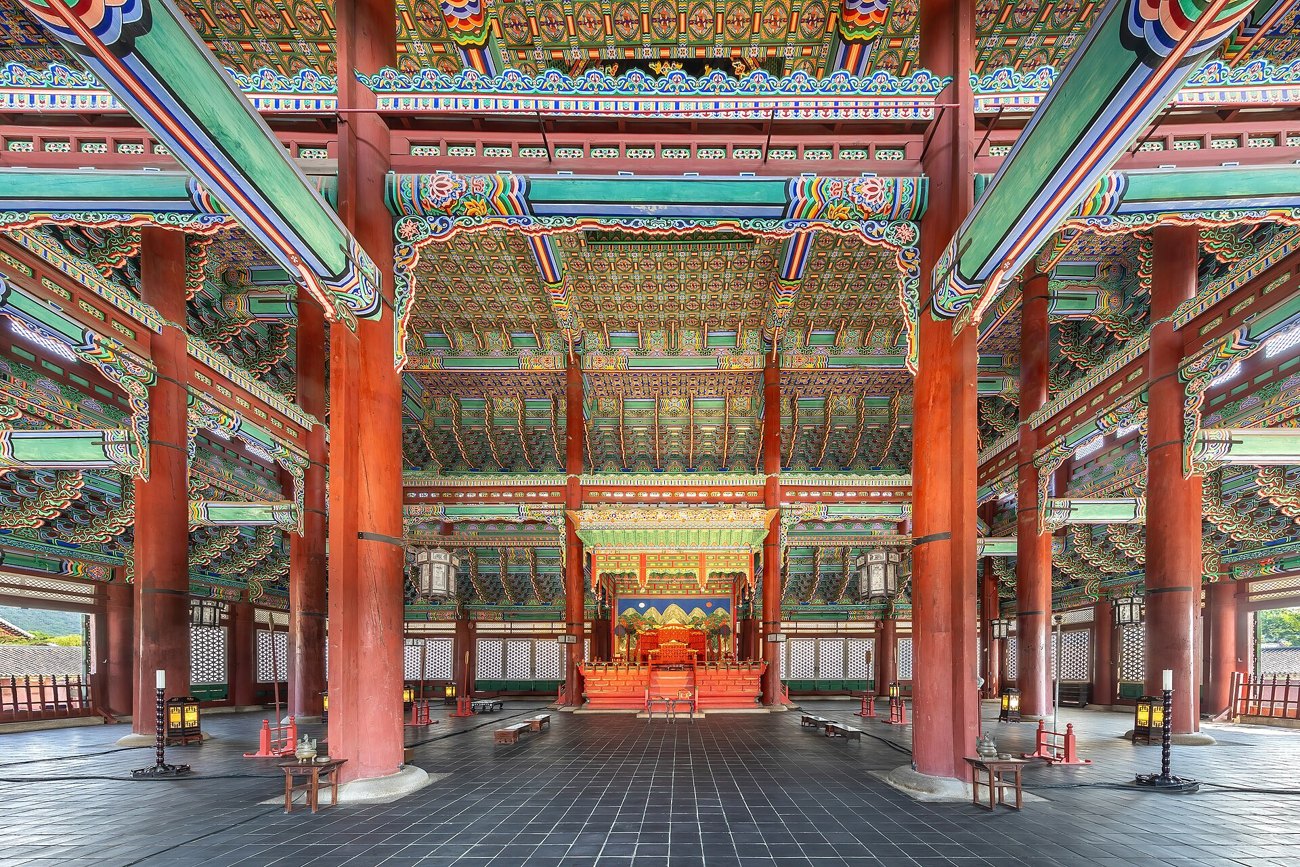
Featured image: Photo by Basile Morin, source, CC BY-SA 4.0
