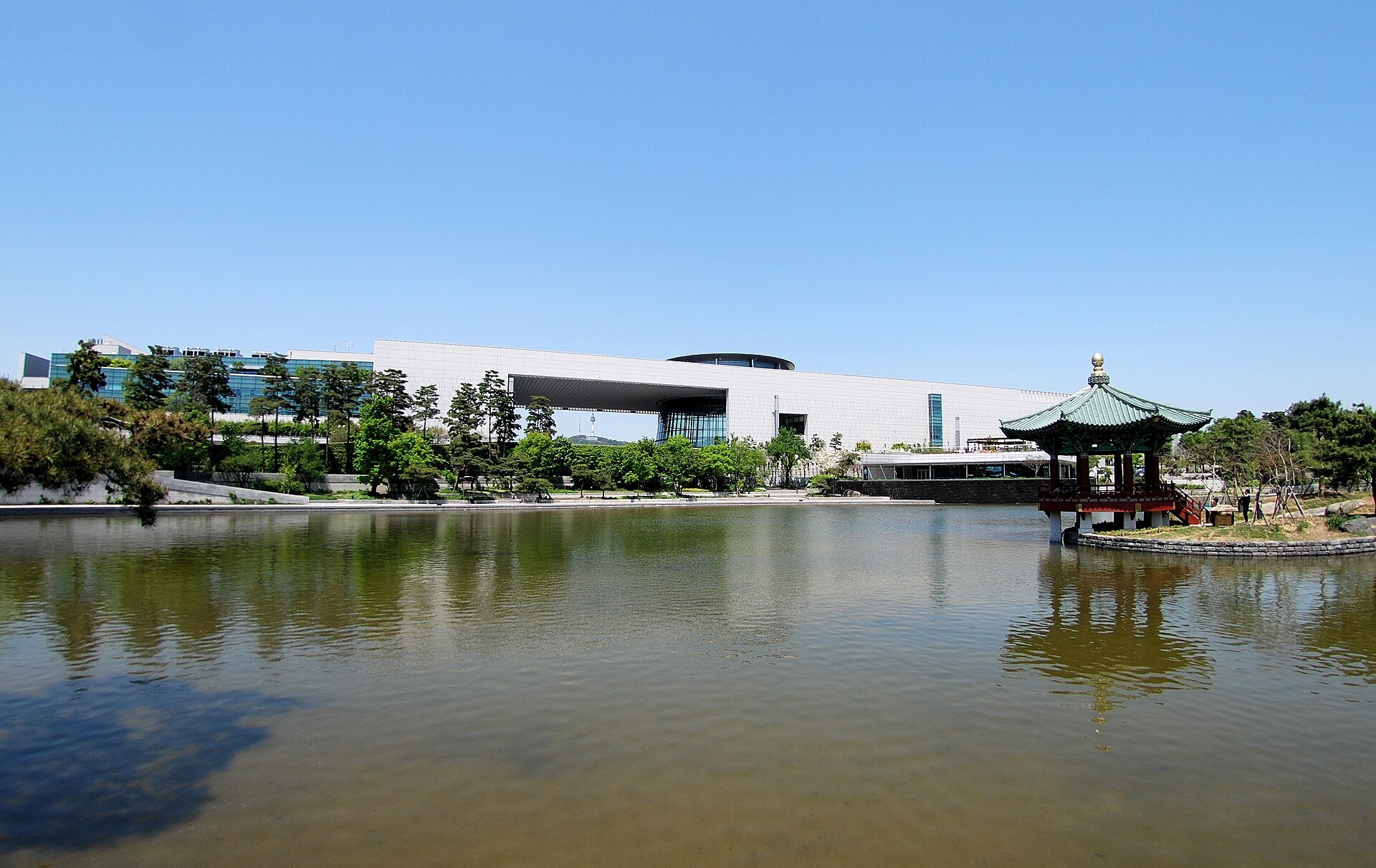

Among the half-dozen largest museums on earth by floor area, holding the national collection from the palaeolithic to the twentieth century, and the permanent galleries are free. It moved to this building in Yongsan in 2005, on land that had been a foreign garrison for most of a century.
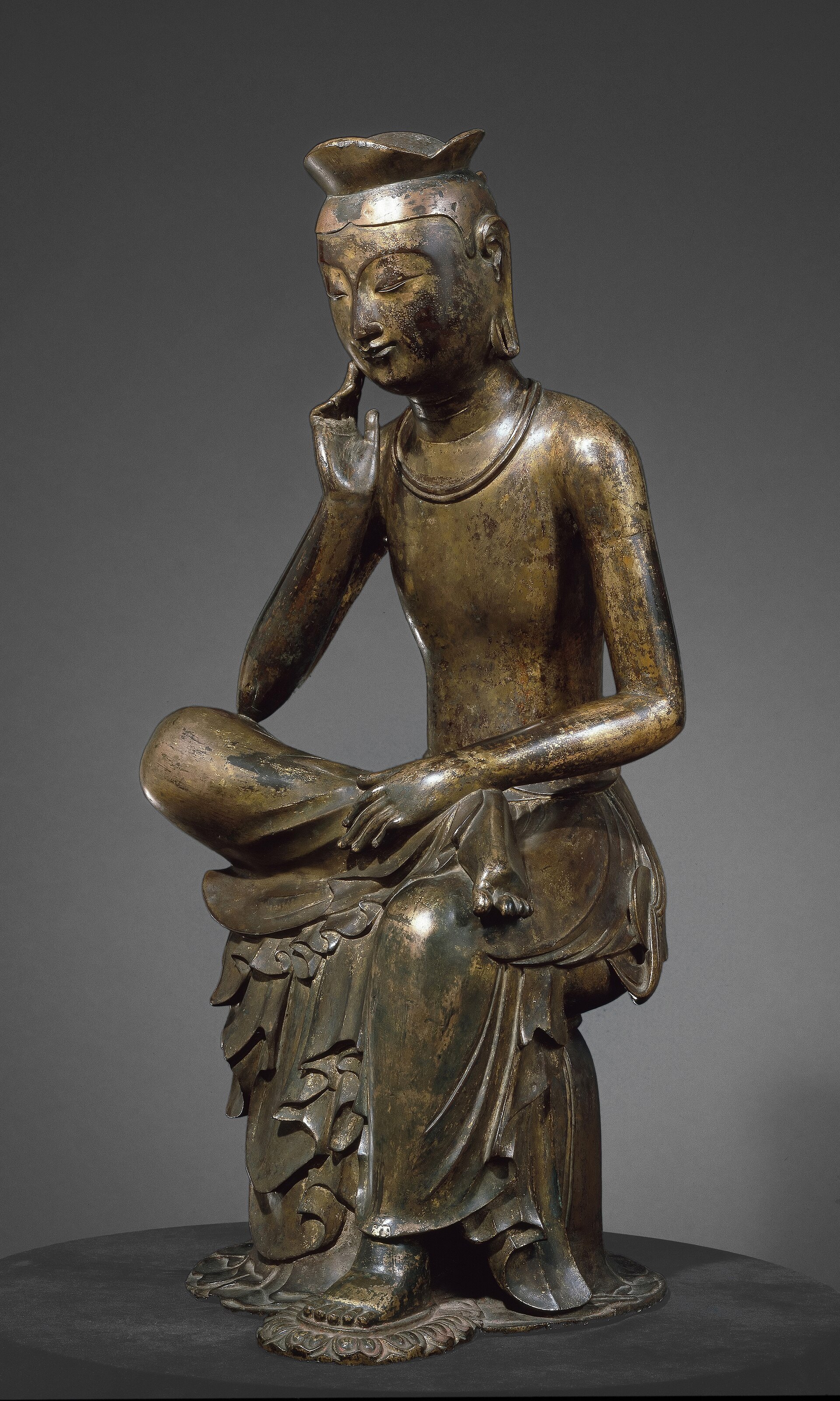
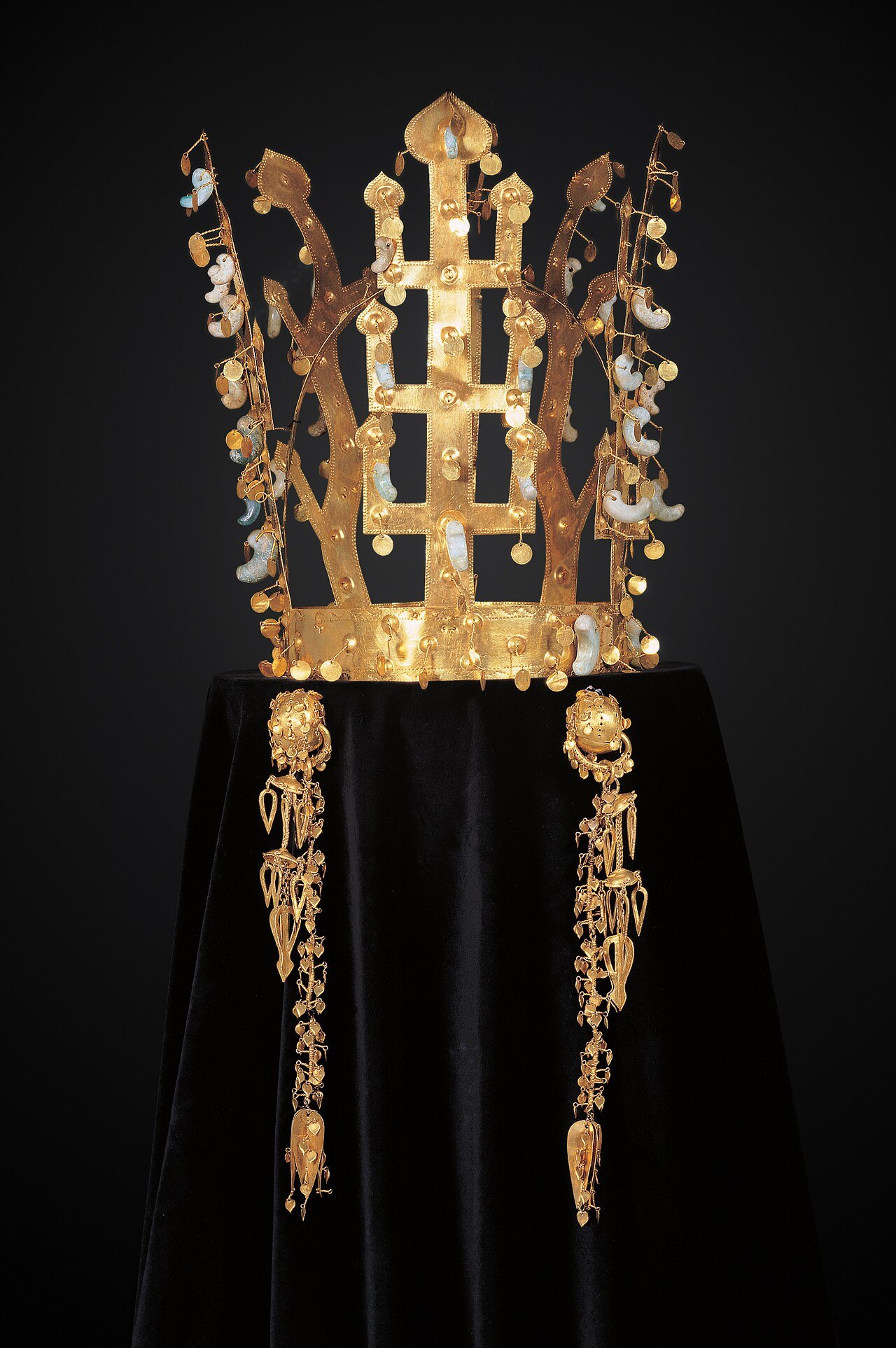
Two objects justify the trip on their own: the gilt-bronze Pensive Bodhisattva — seated, one ankle on the opposite knee, fingertips at the cheek, seventh century — which now has a darkened room of its own; and the gold crowns of Silla, thin sheet gold cut into antlers and tree branches and hung with jade, taken from fifth-century tombs.
What it costs
⭐ The permanent galleries are free. Special exhibitions are ticketed and are often the ones being advertised, which confuses people into thinking the museum charges.
The National Folk Museum inside Gyeongbokgung, the National Palace Museum beside it, and the War Memorial of Korea nearby are all also free.
When to go
Check the closing days before travelling out — the museum shuts on the biggest national holidays, meaning Seollal and Chuseok, and their dates move with the lunar calendar every year.
Late opening runs on some evenings, and the building is at its best then, when the long hall is empty.

Getting there
Ichon station, line 4 and the Gyeongui–Jungang line, exit 2, with a covered moving walkway most of the way to the door.

If you only have an hour
You cannot do it in an hour, so do not try. Take the Path to History hall on the ground floor in order — it is the chronological spine, and the ten-storey marble pagoda standing the full height of the atrium at the end of it is worth walking towards.
Then straight to the Buddhist sculpture room on the third floor for the Pensive Bodhisattva, and the gold room for the crowns. Everything else is a bonus.
What people get wrong
Believing you have to pay. The queue you can see is usually for a temporary show.

Nearby
Ticketing arrangements, closing days and boat timetables as published and checked on 5 September 2026. These change without much warning — confirm with the place itself before you travel. More sights, and how they fit together, in Landmarks & Sights.