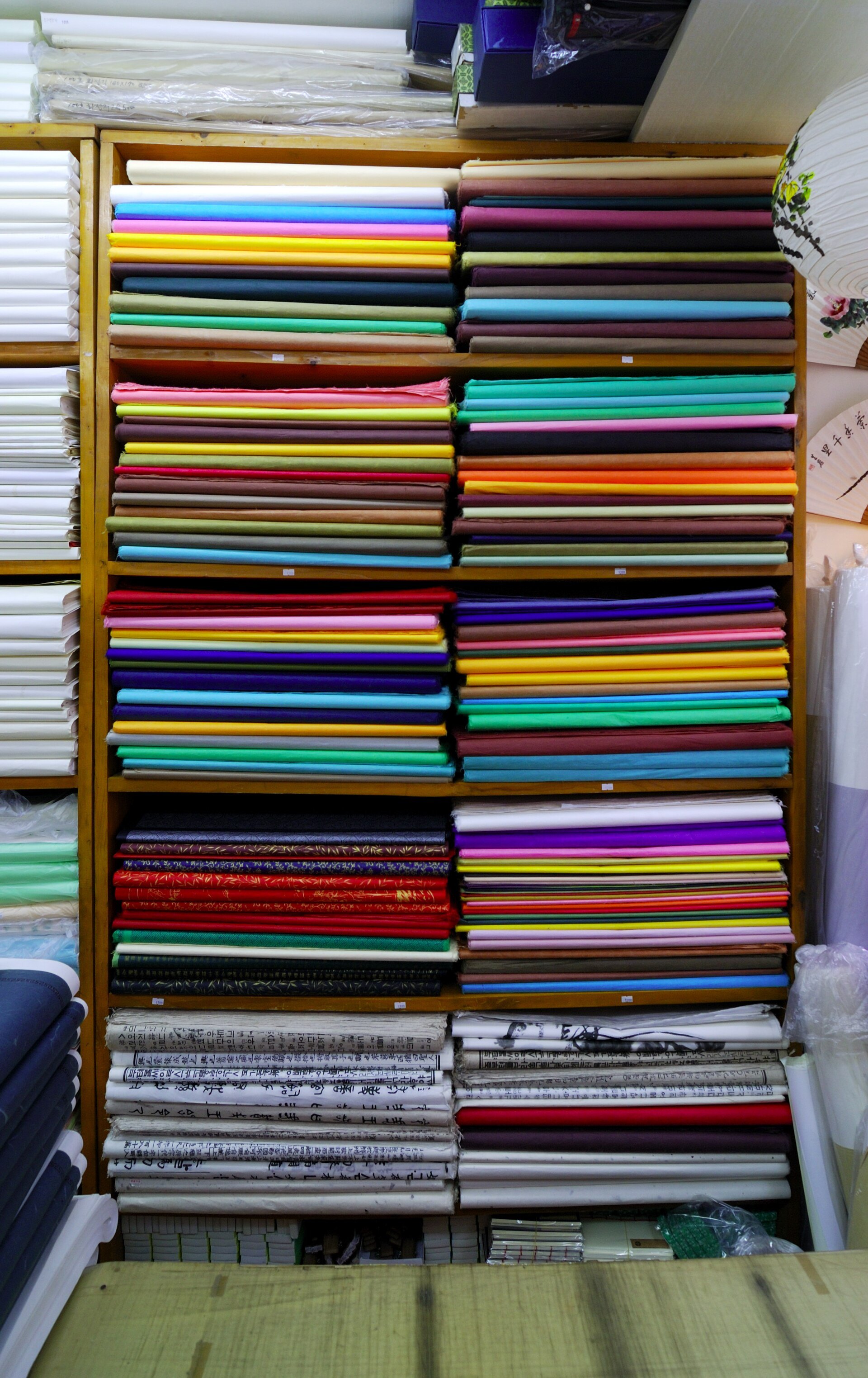

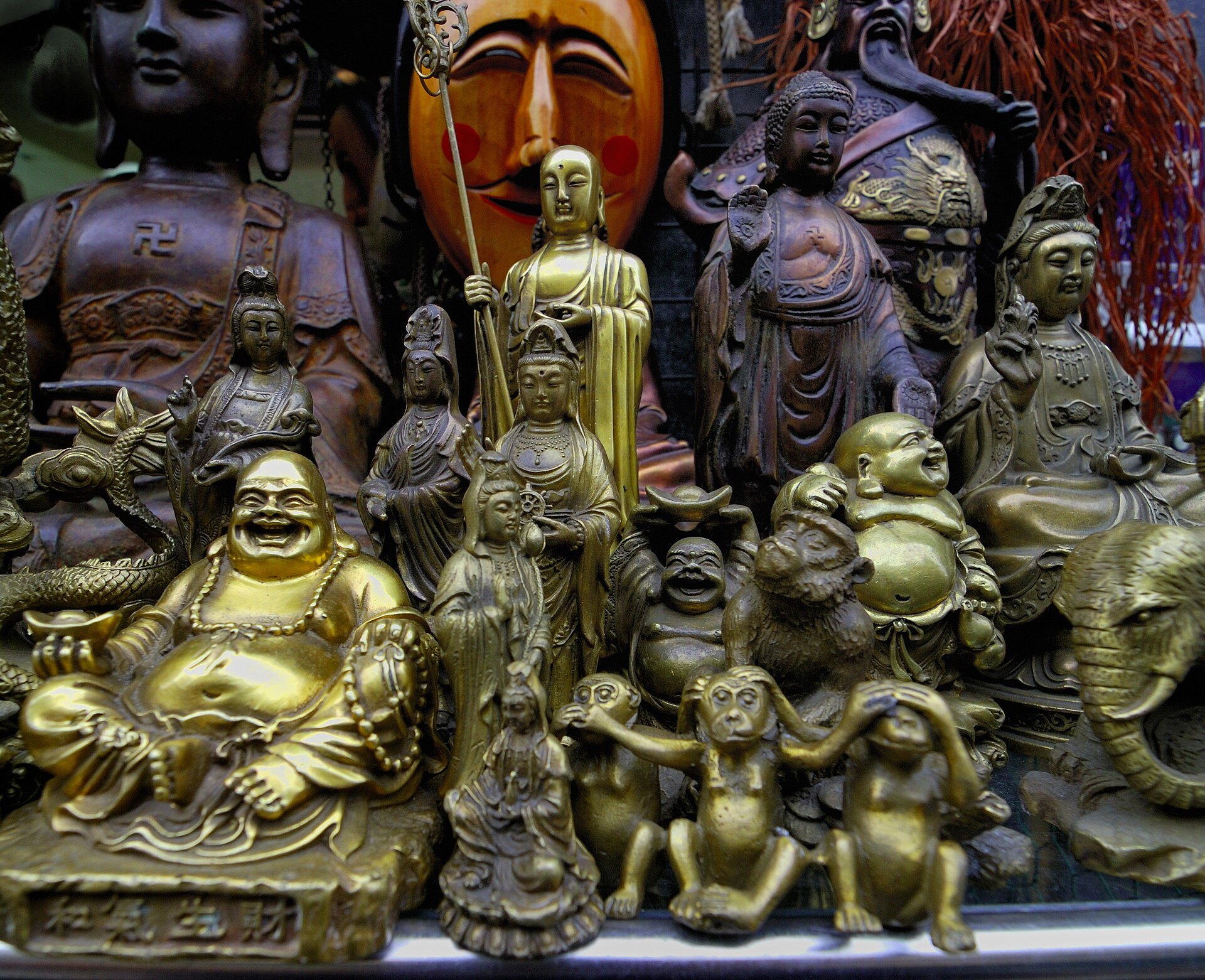
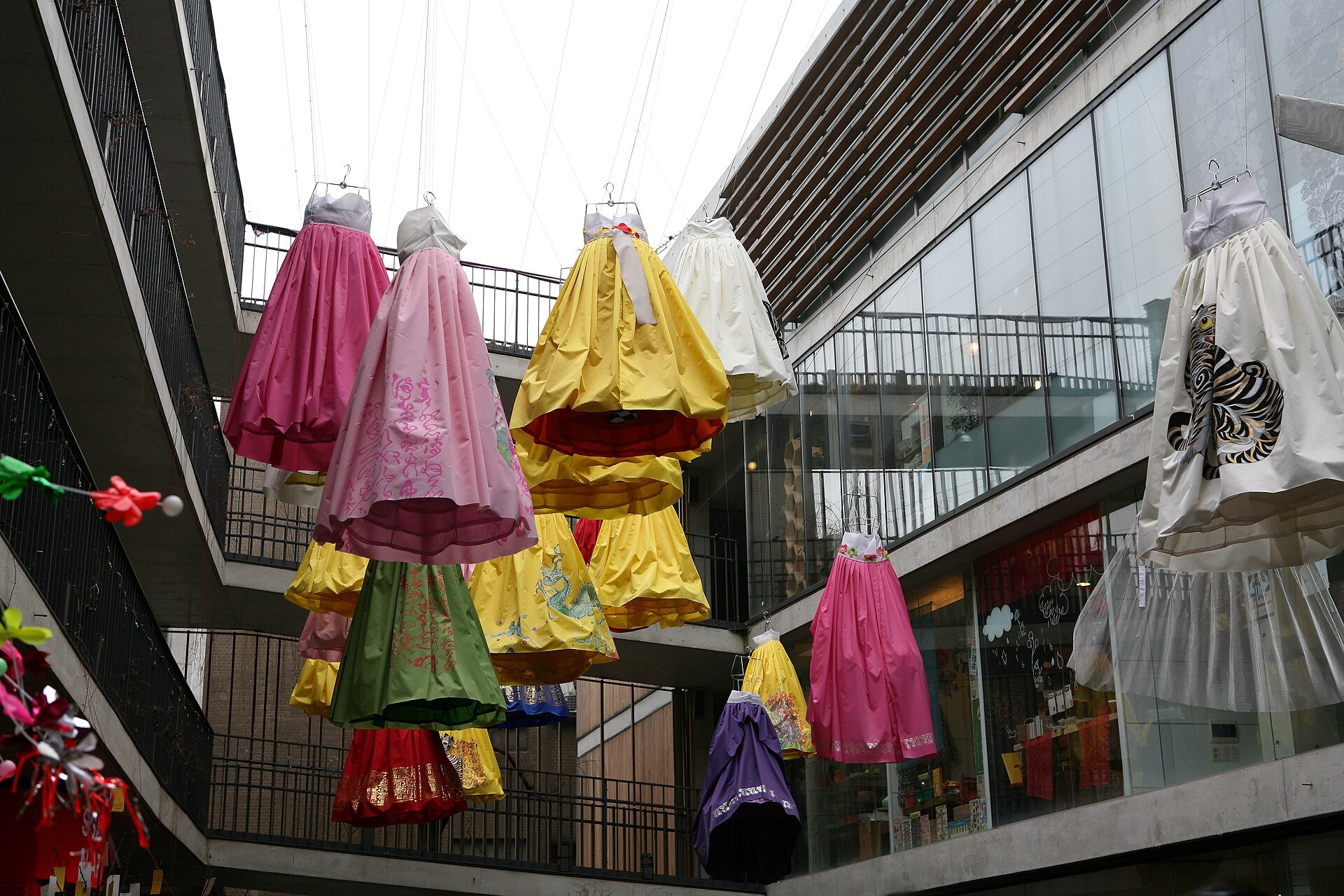
A street and the lanes off it, between Gyeongbokgung and Jongno, selling traditional crafts — hanji paper, brushes and ink, ceramics, tea — with galleries and tea houses in the alleys behind. It was where the aristocratic households sold their possessions when the dynasty fell, which is how it became an antiques quarter.
⭐ It is also the one place in Korea where the international chains have to write their signs in Hangul. The Starbucks on the main street is 스타벅스, by local rule.
What it costs
⭐ Free. Most of the galleries are free to walk into as well.
Ssamziegil, the spiral building halfway up, is a shopping complex built as one continuous ramp with no stairs — free to walk, and the roof is open.
When to go
⭐ The main street is pedestrianised at weekends and on public holidays, which is when the street food carts and the calligraphers come out and when it is worth being there.

Getting there
Anguk station on line 3, exit 6, is the top of the street. Jonggak on line 1 is the bottom. Walking it end to end takes fifteen minutes and going into things takes two hours.

If you only have an hour
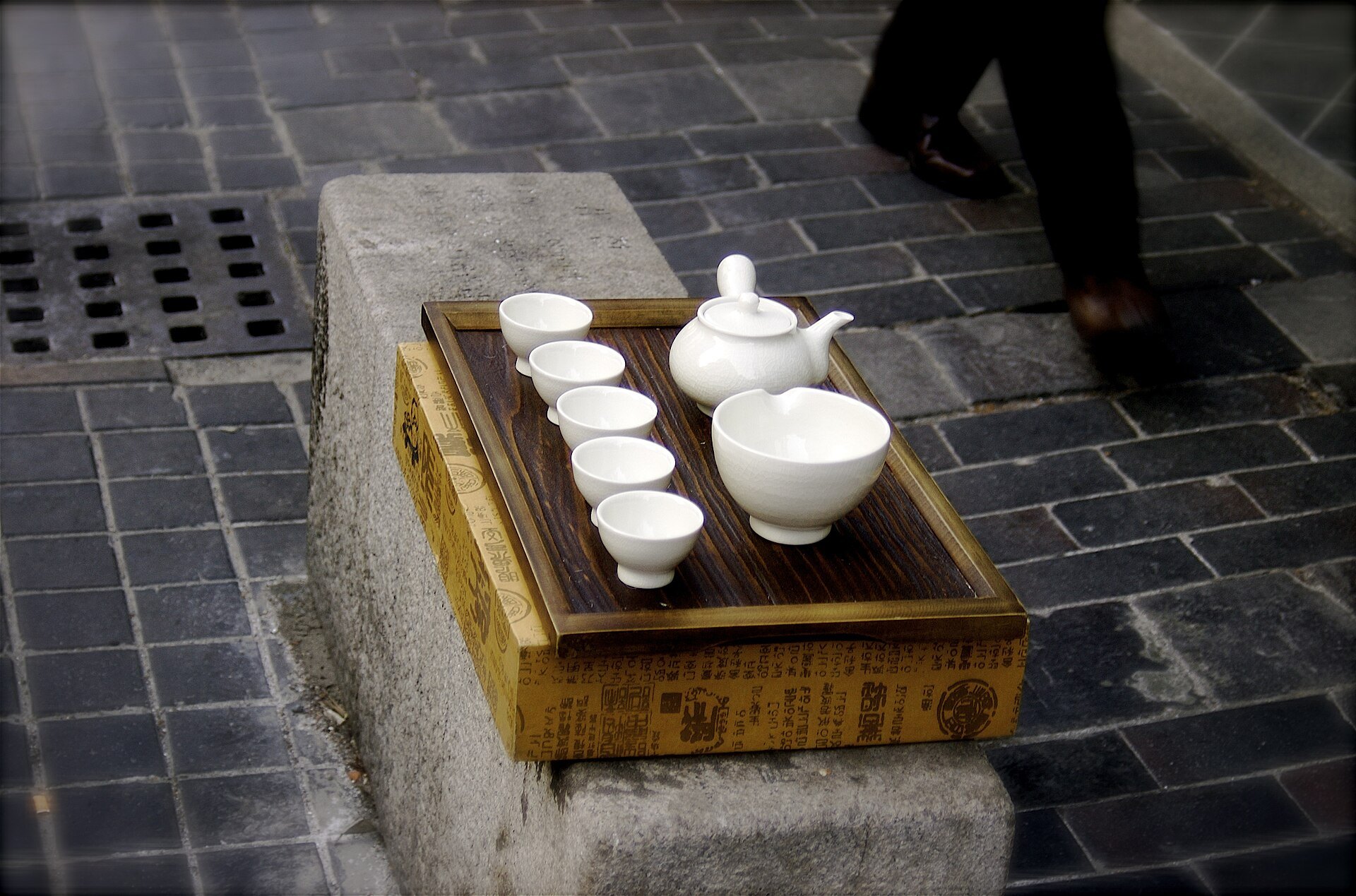
Down the main street, then deliberately off it — the alleys hold the tea houses, and a proper Korean tea house with a dozen infusions on a hand-written list is not a thing you will trip over elsewhere.
Jogyesa, the head temple of Korean Zen Buddhism, is two minutes west, free, working, and hung with paper lanterns. Unhyeongung, a small aristocratic residence, is free and five minutes east.
What people get wrong
Buying “traditional crafts” from the carts on the main street. The real workshops are in the lanes and cost more for the obvious reason.

Nearby
Ticketing arrangements, closing days and boat timetables as published and checked on 5 September 2026. These change without much warning — confirm with the place itself before you travel. More sights, and how they fit together, in Landmarks & Sights.