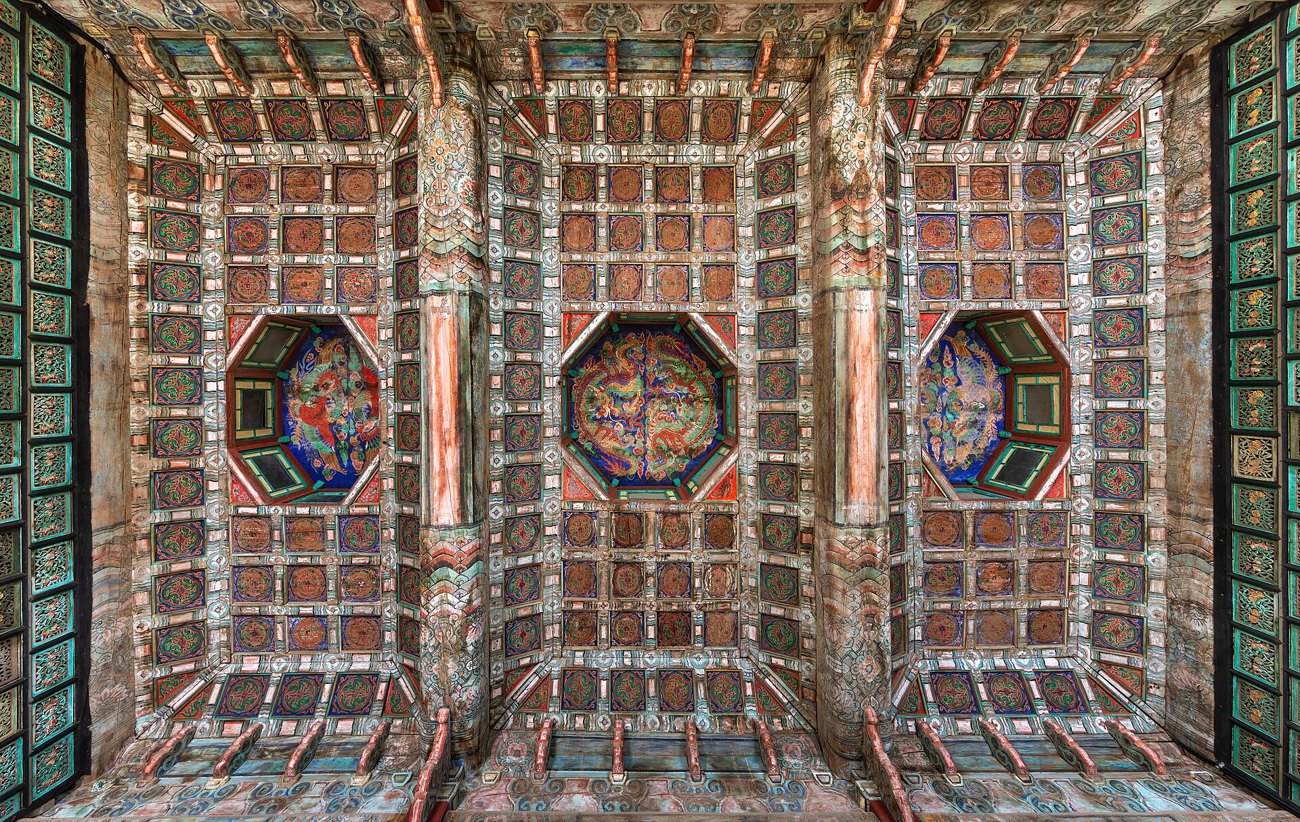
The short answer
Korea’s national museums are free to enter: the permanent collection at the National Museum of Korea (국립중앙박물관), the National Folk Museum of Korea (국립민속박물관), and the War Memorial of Korea (전쟁기념관) all charge nothing for their core galleries. What is not automatically free is the special exhibition often running in the same building at the same time, usually a loaned or touring show with its own ticket and its own queue. Private institutions, such as Leeum Museum of Art (리움미술관) and D Museum (디뮤지엄), charge admission for everything.
What “free” actually means in a national museum
National and public museums in Korea are funded to keep their permanent collections open without charge. This is policy, not a promotion with an end date. The National Museum of Korea states its general exhibition is free on its own site, and that policy has held for years rather than months.
But a national museum building is rarely one single exhibition. Most run a changing program of special or traveling exhibitions in dedicated halls, separate from the permanent galleries. These are ticketed individually, often at prices set per show rather than on a fixed scale, because they involve loan fees, insurance and a different budget line to the museum’s core operating grant. That distinction — core collection free, temporary program paid — is the one visitors miss.
The decision rule: how to tell before you queue
You do not need to ask at the counter. Four signals tell you, before you join any line, whether you are heading into the free wing or a paid one.
- The hall’s own name. Permanent galleries are usually labelled “Permanent Exhibition Hall” or by subject (“Medieval and Early Modern History Gallery”). A paid show has its own title — an artist’s name, a lending institution, a themed phrase — printed on a banner at the entrance, not a room number.
- A ticket gate or turnstile. Permanent galleries flow straight in from the lobby. A special exhibition almost always has a barcode scanner, a staffed gate, or a rope line immediately before the entrance, even if the museum itself had no gate at the front door.
- A separate ticket counter or kiosk. If there is a second counter inside the building, away from the main information desk, selling tickets only for one show, that show is the paid one.
- Sponsor and date branding. A banner naming a corporate sponsor and a fixed date range (“12 March – 8 June”) signals a temporary paid exhibition. Permanent galleries carry no end date because they are not scheduled to end.
If you see none of these — no separate gate, no named show, no date range — you are almost certainly still inside the free permanent collection.


Quick reference: the three national institutions
| Museum | Permanent collection | Special exhibitions | What marks the paid hall |
|---|---|---|---|
| National Museum of Korea | Free, no ticket | Ticketed, separate hall | Dedicated Special Exhibition Gallery with its own gate and banner |
| National Folk Museum of Korea | Free, no ticket | Ticketed when running | Separate signage near the entrance; not every visit has one on |
| War Memorial of Korea | Free, no ticket | Occasional ticketed shows | Named exhibition posters at a side entrance, distinct from the main halls |
Confirm the current program and any fee directly with each museum before traveling, since special exhibitions change through the year and some periods have none running at all.
The private museums charge properly, for everything
Leeum Museum of Art, run by the Samsung Foundation of Culture, charges admission across its whole building, permanent collection included; its own site is the place to check the current figure before a visit. D Museum, a privately run photography and design space, operates the same way — one ticket covers the whole visit, and there is no free wing to find. Neither institution receives the state funding that keeps a national museum’s core galleries free, so there is no decision rule to apply here: assume a ticket is needed and check the operator’s site for the current amount.

Where the old city is genuinely free outright
The wider pattern in Seoul runs the other way to what visitors often expect: the oldest things cost almost nothing, and it is the modern add-ons that are priced properly. Seoul’s five royal palaces — Gyeongbokgung (경복궁), Changdeokgung (창덕궁), Changgyeonggung (창경궁), Deoksugung (덕수궁) and Gyeonghuigung (경희궁) — charge admission at roughly the price of a coffee each, and visitors wearing hanbok enter every one of them, and Jongmyo (종묘), free. That is a standing policy, detailed in our guide to free palace entry in hanbok, not a limited-time offer.
The palaces do not share a closing day. Gyeongbokgung closes on Tuesdays; Changdeokgung, Changgyeonggung, Deoksugung and Jongmyo close on Mondays instead. The full breakdown is in our rundown of which palace closes on which day. Changdeokgung’s Huwon, the Secret Garden, is a separate timed and guided walk that must be booked ahead — covered in our piece on booking the Huwon before you fly. Jongmyo itself runs as a guided tour on most days, except Saturdays and Culture Day, the last Wednesday of each month, when it can be walked without a guide.
Seoul’s old city wall, Hanyangdoseong (한양도성), has no gate, no ticket and no opening hours at all; it runs openly through several districts, including under the Dongdaemun Design Plaza, where it was uncovered during construction. If palace admissions across several sites start to add up, the integrated palace ticket guide explains when combining them is worth it and when it is not.
A practical note on checking the current figure
None of the specific ticket prices in this piece are given, on purpose. Fares and admission fees for special exhibitions change show by show, and a stale figure is worse than an absent one. Before a visit, check the museum’s own site: the National Museum of Korea publishes current information on its official site, and the same applies to the National Folk Museum, the War Memorial, Leeum and D Museum. Getting to any of these sites and back within a day in Seoul is straightforward on the subway; our explainer on T-money covers the card most visitors use, and our guide to subway exit numbers helps once you have arrived at the right station.
For wider planning around opening hours, closures around Seollal and Chuseok, and how the city’s calendar affects museum and palace schedules, see the Planning & Practicalities archive. For the palaces and shrines covered above in more depth, the Palaces & Shrines archive has the full set.
Access Seoul is an independent guide written from published, checkable sources. We have not visited the places described here and we do not publish personal recommendations or invented ‘local favorites’ — where something is singled out as notable, we say who says so. Opening times, fares, closures and prices change at short notice, so treat everything here as a starting point and confirm with the museum, operator or venue directly before building a day around it. We give no advice on visas, insurance, health or safety; use your own government’s official guidance for those.
Featured image: Photo by Basile Morin, source, CC BY-SA 4.0
